Embarking on your first camping trip might seem intimidating, but could a simple shift in mindset turn this challenge into your most rewarding outdoor adventure? This guide reveals that approach, emphasizing curiosity, patience, and flexibility as keys to transforming setbacks into memorable stories. From the moment you start preparing—packing essentials, practicing setup, and researching your site—to embracing unpredictable weather and minor mishaps, your attitude shapes the entire experience. Expert insights and inspiring stories demonstrate that even seasoned campers faced doubts and obstacles early on; their success came from learning and adapting rather than perfection. By focusing on small joys, connecting with nature, and sharing moments with loved ones, camping becomes more than just an escape—it’s a journey of growth and discovery. Could your open-minded approach be the secret to turning initial anxieties into lifelong memories? The outdoor world awaits, ready to teach, surprise, and inspire you.
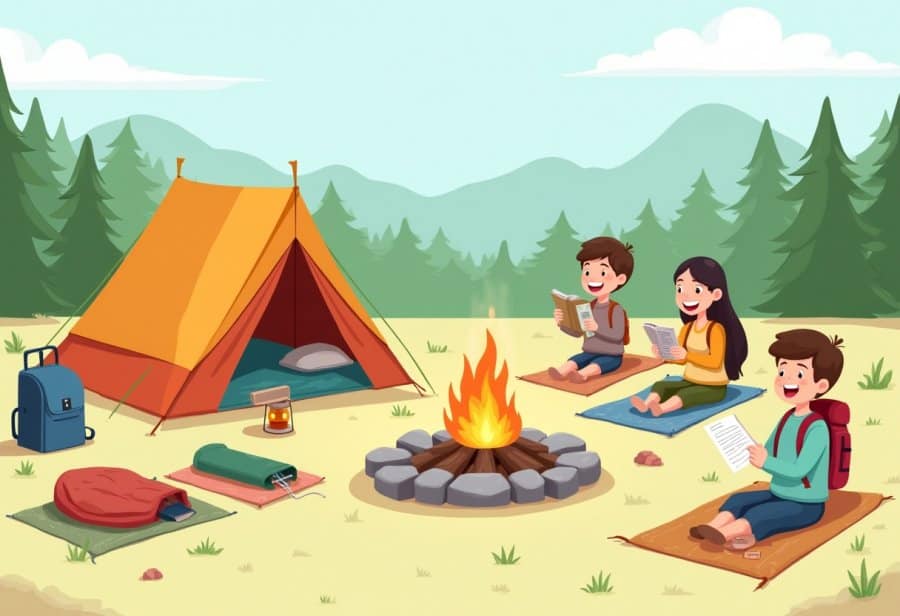
Embrace the Outdoors: Cultivating a Positive Camping Mindset
Starting your first camping trip can be intimidating, but the way you approach it makes all the difference. A positive, open mindset turns what might seem like hurdles into part of the adventure. When you’re curious and willing to embrace the unknown, small setbacks become stories to laugh about later rather than obstacles to stress over. Your attitude sets the tone for the entire trip—staying patient, adaptable, and eager to learn transforms a challenging experience into a rewarding one.
Having the right mindset helps reduce anxiety and boosts confidence. Instead of worrying about everything that could go wrong, focus on what you stand to gain—fresh air, new skills, and a chance to connect with nature. Viewing the trip as an opportunity to explore and discover shifts your perspective, making it easier to stay positive even if things don’t go perfectly. Remember, every seasoned camper was once a beginner, and their success came from learning and adapting rather than expecting perfection from the start.
It’s also helpful to set realistic expectations. Camping isn’t about flawless execution; it’s about embracing imperfections. You might struggle with tent setup or face unexpected weather, and that’s completely normal. Accepting these challenges as part of the process keeps you relaxed and helps you maintain a sense of humor. Often, setbacks turn into stories you’ll share with a smile, adding to the overall joy of the trip.
An open mindset encourages flexibility. Nature is unpredictable, and plans can shift in an instant—maybe a trail is muddy, or wildlife sighting changes your schedule. Instead of feeling disappointed, view these moments as opportunities to adapt and make the most of your time outdoors. Going with the flow not only reduces stress but also helps you appreciate the journey itself, not just the destination.
Finally, remember that camping is about connection—both with the environment and with yourself. A positive attitude makes it easier to slow down, observe, and truly enjoy the small pleasures of outdoor life. Whether it’s the rustling of leaves, the warmth of a campfire, or the quiet of a starry night, your mindset can turn simple moments into lasting memories. Approaching your outdoor adventure with curiosity and optimism sets you up for a fulfilling experience that leaves you eager to plan your next trip.
Ready, Set, Go: Essential Planning and Packing Tips for a Confident Start
Getting ready for your first camping trip can seem daunting, but a little planning goes a long way toward making the experience enjoyable. Start by creating a straightforward essentials list: a reliable tent, a sleeping bag suited for the forecasted weather, enough food and water, and clothing appropriate for the conditions. Checking the weather forecast before packing helps you prepare for rain, cold, or heat, so you’re not caught off guard. Packing an extra layer or rain gear ensures you can quickly adapt if the weather shifts unexpectedly.
Familiarizing yourself with the campsite is another confidence booster. Look up the layout, nearby facilities, and any rules or restrictions. If possible, practice setting up your tent at home. Doing so saves time and frustration once you arrive, letting you focus on enjoying your surroundings instead of wrestling with unfamiliar gear. A well-practiced setup also means you’ll spend less time fussing and more time relaxing.
Organizing your gear before heading out keeps things simple and accessible. Use labeled bags or containers to pack essentials—think first aid kit, insect repellent, sunscreen—so nothing gets lost or buried in your pack. This way, you can find what you need quickly without rummaging around in the dark or when you’re tired. Keeping everything streamlined allows you to focus on the adventure, not the logistics.
Arriving early at the campsite provides a huge advantage. It gives you ample time to find a good spot, set up your tent, and organize your gear before sunset. Early arrival also means you can familiarize yourself with water sources, trails, and the safest routes, reducing stress once you’re there. Rushing to set up at the last minute can turn a fun trip into a stressful scramble, so giving yourself extra time makes the experience smoother.
Think about your planned activities when packing. If hiking is on the agenda, bring comfortable shoes and plenty of water. For relaxing evenings around the campfire, pack snacks, a cozy blanket, and some entertainment. Focus on essentials that will keep you comfortable and safe, avoiding overpacking which can weigh down your pack and limit your freedom to explore.
Preparing for common challenges is also wise. Consider what you’ll do if the weather turns bad or if you encounter a minor emergency. Having a backup plan—like an alternate shelter or knowing the nearest help point—can help you stay calm and confident. This isn’t about expecting the worst but rather being ready for the usual surprises outdoor adventures often bring.
Finally, approach your trip with a positive attitude. Good planning coupled with an open mind makes it easier to handle unexpected situations. Whether it’s a sudden rain or a muddy trail, seeing these moments as part of the adventure keeps your experience light-hearted and memorable. With preparation and the right mindset, your first camping trip will set the stage for many more outdoor adventures to come.
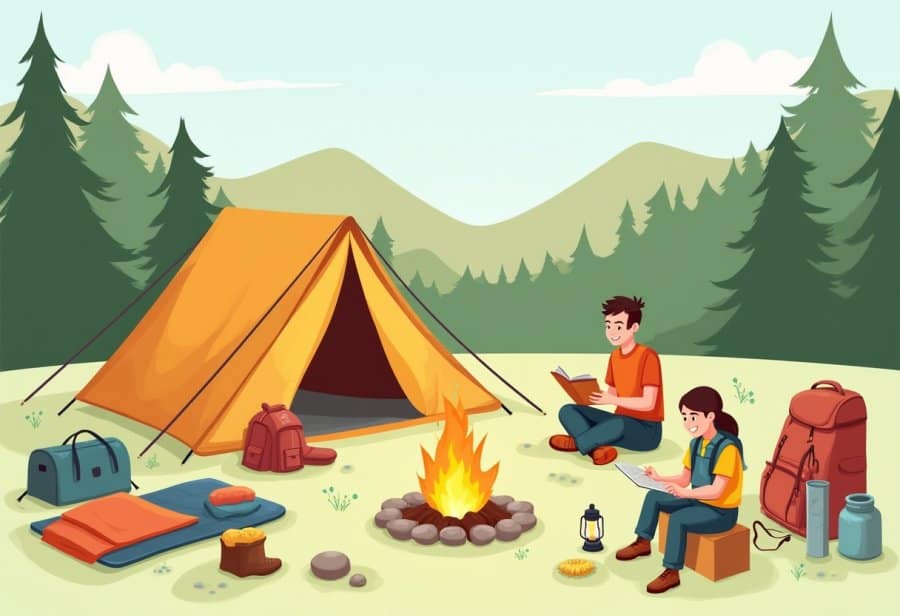
Turn Challenges into Joy: Creating a Happy, Memorable Camping Experience
A happy camping experience often hinges on your attitude, preparation, and openness to new moments. Approaching your trip with a positive mindset turns unexpected challenges into opportunities rather than frustrations. For example, a sudden rainstorm can become a cozy moment around the campfire, sharing stories and laughs instead of feeling like a setback. Focusing on simple pleasures—like the sound of rustling leaves or a warm meal cooked outdoors—helps you stay present and appreciative of what’s right in front of you.
Being well-prepared boosts your confidence and keeps stress at bay. Packing the right gear, such as a reliable tent, warm sleeping bags, and enough food, means you’re ready for most situations. When you know essentials are covered, it’s easier to relax and enjoy the surroundings without worry. Preparation extends beyond gear—understanding the environment, setting realistic expectations, and having backup plans for weather or emergencies create a sense of security that allows you to truly unwind.
Openness to experience is key to creating memorable moments. When you embrace the unpredictable nature of the outdoors, every situation becomes a chance to learn or discover something new. Whether it’s trying a trail you’ve never explored, chatting with fellow campers, or simply marveling at a starry sky, curiosity keeps your trip fresh and exciting. Recognizing beauty in small details—a bird’s song, a colorful sunset, or the taste of a campfire meal—turns routine moments into lasting memories.
Sharing the experience with others adds to the joy of camping. Involving everyone in setting up camp, cooking, or telling stories around the fire creates bonds that elevate the trip. When everyone feels included, minor mishaps become shared stories rather than setbacks. This spirit of camaraderie fosters a relaxed atmosphere where fun and connection take center stage, making the adventure more meaningful and memorable.
Finally, remember that perfection isn’t the goal—enjoyment is. Even if plans change or things don’t go as expected, focusing on small joys like the crackling fire, the fresh air, or a quiet moment watching wildlife transforms any trip into a treasured memory. Staying flexible and maintaining a positive attitude turn inevitable surprises into opportunities for growth and connection. With this mindset, every outdoor adventure becomes not just a getaway, but a chance to learn more about the world—and yourself.
Wisdom from the Wilderness: Expert Insights and Inspiring Outdoor Stories
Getting advice from outdoor professionals and hearing inspiring stories can give first-time campers a real confidence boost. Many seasoned outdoor enthusiasts emphasize that setbacks—like sudden rain, equipment mishaps, or getting turned around—are just part of the journey. Their main message is that staying patient and flexible makes all the difference. For example, experienced campers often share stories of trips filled with little disasters that eventually became some of their favorite memories because they approached challenges with curiosity rather than frustration.
Listening to these stories reminds beginners that everyone starts somewhere. Even the most experienced adventurers faced doubts and difficulties early on. What helped them succeed was a mindset focused on learning and adapting, not expecting perfection. Recognizing that setbacks are normal steps in the learning process takes pressure off and encourages a more relaxed, open attitude toward outdoor adventures. It’s reassuring to know that mistakes aren’t failures but opportunities to grow more confident in the outdoors.
Experts also highlight the importance of good planning and preparation. Familiarizing yourself with the area, packing essentials, and understanding basic safety measures can make a big difference. Small skills like using a map and compass or knowing what to do in an emergency help you stay calm and enjoy the environment more fully. These simple steps build your confidence and turn outdoor challenges into manageable parts of your experience, rather than sources of worry.
Many outdoor professionals stress that embracing unpredictability is key. Weather surprises or minor setbacks become opportunities to practice patience and resilience. For instance, instead of feeling disappointed by rain, you might see it as a chance to relax inside your tent or share stories with fellow campers. This shift in perspective turns obstacles into part of the adventure, making your trip more memorable and enriching.
Inspiring stories from veteran campers often reveal how overcoming early difficulties led to some of their most cherished memories. Their success wasn’t about flawless execution but about maintaining a positive outlook and learning from every mistake. These tales show that even beginners can turn initial challenges into valuable lessons, boosting confidence for future trips. Hearing these stories encourages a mindset of curiosity and optimism, helping newcomers see setbacks as stepping stones rather than setbacks.
Ultimately, these insights remind us that outdoor adventures are about growth, discovery, and connection. The right mindset—focused on learning, patience, and flexibility—transforms obstacles into opportunities for memorable moments. With proper planning and a willingness to adapt, even the most unexpected surprises can deepen your appreciation for nature and yourself. Every trip becomes part of a bigger journey, building confidence and passion for exploring the outdoors.
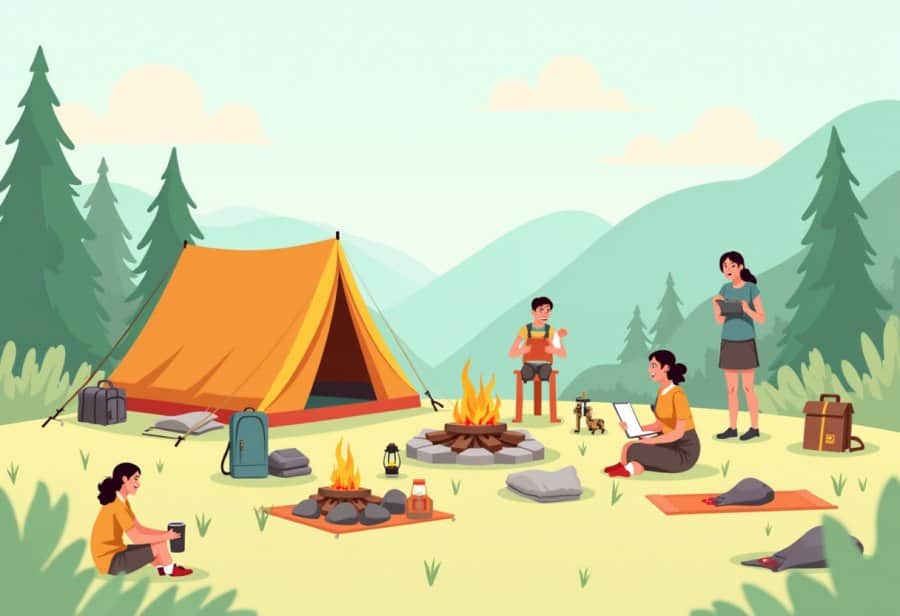
Your Next Adventure Awaits: Final Tips for a Successful and Fulfilling Camping Journey
Wrapping up, the key to a successful first camping trip is blending a positive mindset with solid preparation. Approaching your adventure with curiosity and patience turns potential obstacles into opportunities for growth and memorable moments. Staying open-minded and adaptable makes it easier to handle surprises like weather changes or equipment mishaps, transforming them from setbacks into part of the experience rather than barriers.
Having a well-thought-out plan and packing the essentials builds confidence and keeps stress at bay. When you know you’re prepared for common challenges, you can relax and focus on enjoying the outdoors instead of worrying about what might go wrong. Remember, camping isn’t about perfection; it’s about embracing imperfections and making the most of every moment. Setting realistic expectations keeps you present, allowing you to appreciate the journey rather than dwelling on minor setbacks.
Simple steps like researching your campsite, practicing setup routines, and packing appropriately lay a strong foundation for your trip. These actions reduce uncertainty and boost your confidence, making it easier to unwind and explore. But beyond logistics, your attitude plays a crucial role. Flexibility and a positive outlook turn surprises into opportunities for connection and discovery, enriching your overall experience.
Every outdoor adventure offers a chance to reconnect—with nature and yourself. Even if things don’t go exactly as planned, focusing on small joys—like a sunrise, the crackle of a campfire, or a quiet moment watching wildlife—can turn a trip into a treasured memory. These moments build confidence and deepen your love for outdoor life, encouraging continuous exploration and growth.
Think of each trip as a stepping stone. With time, what once felt daunting will become familiar and enjoyable, transforming your outdoor adventures into regular sources of joy and self-discovery. The secret lies in showing up with an open heart and a willingness to learn. When you do, every outdoor journey becomes not just a retreat into nature but a meaningful chapter in your personal story of adventure.