What if the greatest obstacle to learning to swim at any age is simply taking that initial courageous step? This inspiring journey reveals how water confidence transforms fear into freedom, opening doors to safety, joy, and new adventures. Whether you’re nervous as a child or an adult facing lifelong anxieties, the process emphasizes patience, small milestones, and mental resilience. Building trust in your body through manageable skills like breathing, floating, and gentle kicks lays a solid foundation, making water less intimidating and more inviting. Beyond physical skills, this journey nurtures a growth mindset, empowering individuals to embrace challenges with patience and persistence. The benefits extend beyond the pool—enhancing safety, health, and emotional well-being, fostering independence and resilience in daily life. With each small victory, water becomes a space of possibility rather than fear—prompting the question: are you ready to take your first step toward a lifelong relationship with water?
Unlock Lifelong Water Confidence at Any Age
Learning to swim at any age isn’t just about picking up a new skill—it’s a powerful step toward personal growth and safety. For many, water can evoke feelings of anxiety or discomfort, but overcoming that initial hesitation can unlock a lasting sense of freedom and confidence. Swimming becomes more than a physical activity; it transforms how you see your abilities and your relationship with water, opening doors to new experiences like relaxing afternoons at the beach or safe family outings in the pool.
For adults especially, learning to swim can be truly transformative. Many carry fears or doubts about their ability in water, which can hold them back from enjoying recreational activities or feeling secure in aquatic environments. Conquering that fear isn’t about perfect strokes; it’s about building trust in your body and learning to feel comfortable and in control. This process boosts self-confidence and fosters independence, which often spills over into other areas of life, encouraging resilience and a growth mindset.
Starting to learn at any age might seem intimidating, but it’s never too late. The journey begins with small, manageable milestones—getting comfortable in shallow water, practicing breathing techniques, and learning simple floats. Each little victory helps reduce fear and builds trust in your abilities. These early successes create a solid foundation for more advanced skills, making water less daunting and more inviting. Patience and persistence are your best allies, and with the right guidance, you’ll discover that water can become a source of joy and empowerment rather than anxiety.
Building water confidence is also about cultivating a mindset of curiosity and resilience. It involves gentle challenges—like venturing into slightly deeper water or practicing new techniques—paired with self-compassion. Every effort, every small step forward, adds to your sense of progress. Many adults who have faced their water fears describe a feeling of liberation once they realize they can navigate water safely. That sense of achievement becomes a catalyst for continued growth, transforming water from a source of fear into a space of possibility and fun.
No matter your age or starting point, embracing this journey offers lifelong benefits. It’s about more than just learning to swim—it’s about reclaiming joy, fostering safety, and expanding your world. Each step you take, no matter how small, brings you closer to a future where water is no longer a barrier but a space of confidence, adventure, and freedom. The water is waiting, and your journey toward lifelong water confidence begins with that first brave step.
Building a Strong Foundation for Successful Water Learning
Building a solid foundation is essential when learning to swim, and it starts with cultivating the right mindset. Approaching water with patience and curiosity helps set a positive tone for your progress. Instead of rushing to master every skill, focus on small, achievable steps that build confidence gradually. This gentle approach makes the journey enjoyable and keeps frustration at bay, encouraging consistency over perfection.
Trust in your body’s natural movements is key. Begin with simple skills like steady breathing, floating, and gentle kicks in a safe environment. These basics are the building blocks for more advanced techniques and help reduce anxiety by making water feel less intimidating. Celebrating each small success—such as floating independently or moving a short distance—reinforces your motivation and sense of capability.
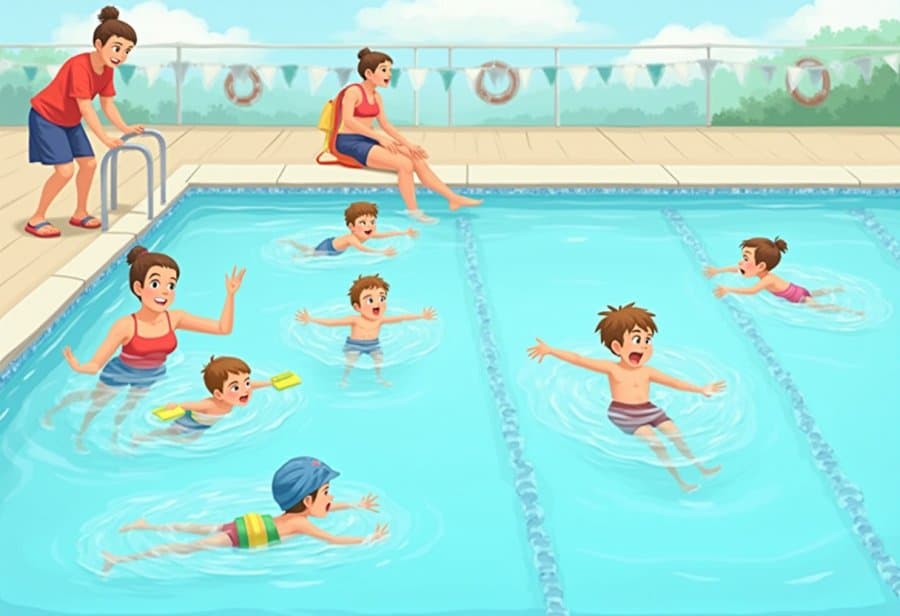
Safety should always be a priority from the outset. Never swim alone, especially in unfamiliar or deep water. Choose environments equipped with safety features like clear depth markers, accessible equipment, and trained lifeguards. Using a well-fitting floatation device can also boost your confidence as you learn to trust your abilities. Staying within designated beginner zones and avoiding risky behaviors like running or diving in shallow areas help prevent accidents and foster a safe learning space.
Breaking down skills into manageable parts makes the learning process less overwhelming. Focus first on mastering breathing—inhale slowly through your nose, exhale steadily through your mouth—to promote calmness. Practice floating and kicking in shallow water, gradually increasing your comfort level. As these become second nature, add arm movements and coordinate strokes with your breathing. Repeating these exercises regularly helps your muscles develop the necessary memory, transforming effort into instinctive action.
Persistence and patience are vital. Short, frequent practice sessions—just 15 to 20 minutes a few times a week—are more effective than sporadic long ones. Approach each session with a relaxed attitude, emphasizing progress rather than perfection. Working with a supportive instructor who provides personalized feedback can accelerate your learning and help correct habits early, preventing frustration and setbacks.
Addressing mental barriers is just as important as physical practice. Visualization techniques—like imagining yourself floating peacefully or swimming confidently—can shift your mindset. Pairing visualization with controlled breathing calms nerves and creates a sense of control. Starting in shallow water and gradually venturing deeper reinforces trust in your abilities, making water less daunting with each step.
By combining these strategies—mindful practice, safety awareness, and mental preparation—you set the stage for successful water learning. Every small effort contributes to a larger sense of water confidence, transforming initial fears into a sense of mastery and enjoyment. Building this foundation not only enhances your skills but also nurtures a resilient, positive attitude that will support your lifelong swimming journey.
Effective Strategies and Mindset Shifts to Accelerate Your Water Learning
Practicing effective methods and shifting your mindset are key to building water confidence. One of the most straightforward yet powerful exercises is focusing on your breathing. Slow, controlled inhales through the nose followed by steady exhales through the mouth help calm your nervous system and create a sense of control. When anxiety arises, pausing to breathe deeply can instantly reduce stress and anchor you in the present moment.
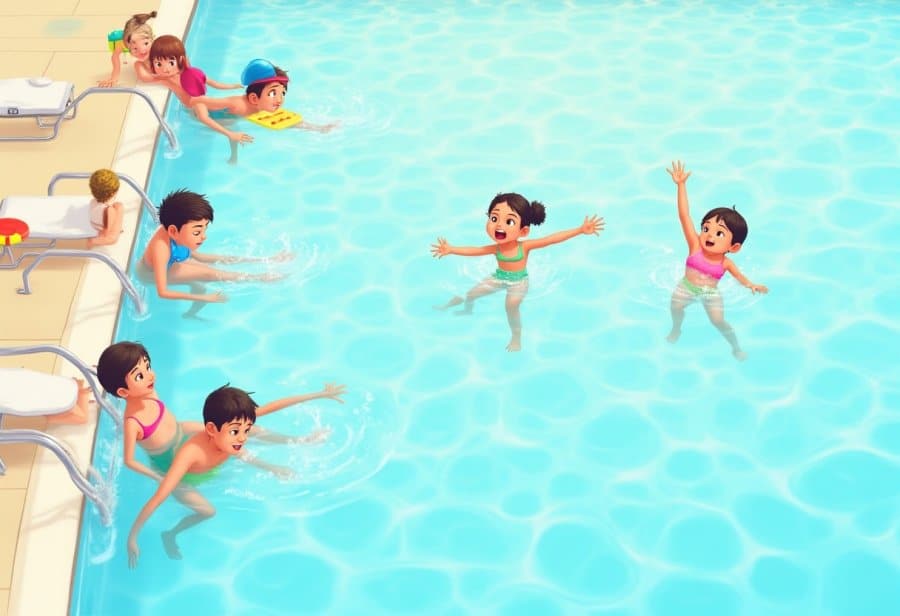
Gradual exposure to water is another essential strategy. Instead of jumping straight into deep water, spend time in shallow areas where you can stand comfortably. As your confidence grows, gently challenge yourself by staying a little longer or venturing into slightly deeper zones. This step-by-step approach prevents overwhelm and nurtures trust in your abilities, making progress feel natural and achievable.
Breaking skills into manageable parts makes learning less intimidating. Start with mastering steady breathing—inhale slowly, exhale steadily—to establish calmness. Next, focus on floating and gentle kicks, celebrating each small success to reinforce motivation. Once these basics feel natural, add arm movements and coordinate your strokes with breathing. Repeating these exercises regularly helps your muscles develop muscle memory, turning effort into instinctive, fluid movements.
Patience and consistency are vital. Short, frequent practice sessions—around 15 to 20 minutes, several times a week—are more effective than sporadic, longer sessions. Approach each practice with a relaxed attitude, emphasizing progress over perfection. Working alongside a supportive instructor who provides tailored feedback can accelerate your learning curve and help correct habits early, preventing frustration.
Mental preparation is just as important as physical practice. Visualization techniques—like imagining yourself floating peacefully or swimming confidently—can boost your confidence and reduce nerves. Pairing visualization with deep, controlled breathing shifts your mindset from anxiety to calm empowerment. Starting in shallow water and gradually progressing into deeper areas reinforces trust in your abilities and diminishes fear with each step.
Finally, celebrate every milestone, no matter how small. Recognizing progress—whether floating effortlessly or completing a few strokes smoothly—fuels motivation and reinforces your water confidence journey. Approaching learning with patience, persistence, and a positive outlook transforms water from a source of fear into a space of growth and joy. With these strategies, building water confidence becomes a natural, rewarding process.
Transform Water Confidence into Daily Safety, Health, and Joy
Building water confidence doesn’t just stay in the pool; it naturally extends into everyday life, enriching safety, health, and enjoyment. When you’re comfortable in the water, you gain a vital sense of security—knowing that you can float or swim to safety in an emergency provides peace of mind whether you’re at the beach, lake, or pool. This confidence not only protects you but also reassures loved ones, creating a safer environment for everyone around water. It encourages a proactive attitude toward water safety that benefits children and adults alike.
Beyond safety, swimming skills contribute significantly to your overall health and well-being. Water-based activities are gentle on joints yet effective at building strength, endurance, and flexibility. Regular swimming offers a low-impact way to stay active, especially for those who find high-impact workouts challenging. The rhythmic breathing and flowing movements help reduce stress, improve mood, and boost mental clarity. As your water confidence grows, so does your motivation to incorporate swimming into your routine, turning exercise into a joyful habit rather than a chore.
When you’re at ease in water, spontaneous moments of fun become more accessible. Imagine jumping into a lake during summer trips, splashing around with your kids, or relaxing on a boat without hesitation. These experiences foster stronger bonds and create lasting memories. Water confidence opens the door to new adventures—whether trying water aerobics, paddleboarding, or snorkeling—making each activity more inviting and enjoyable. It transforms water from a source of anxiety into a space of freedom and discovery.
Having solid swimming skills also cultivates a safety-first mindset. When you trust your ability to handle water, you naturally become more attentive to safety guidelines and vigilant about your surroundings. This attitude benefits not only you but also those around you, especially children or less experienced swimmers. Promoting a culture of safety helps ensure that water activities remain fun and secure, encouraging everyone to participate responsibly and confidently.
Ultimately, developing water confidence is a lifelong gift that extends beyond the pool. It fosters resilience, independence, and a sense of adventure that can influence many areas of life. Each time you face a challenge in water and overcome it, you reinforce your capacity to handle other obstacles with patience and persistence. By embracing this journey, you open yourself to a world of possibilities—more active, connected, and joyful—where water becomes a space of trust, excitement, and endless opportunity.
Inspiring Reflection: Embrace Your Water Confidence Journey
Taking the first step to learn to swim at any age is a courageous act of self-care and growth. It might seem small or intimidating at first, but every milestone—whether floating confidently or completing your first strokes—builds momentum toward greater safety and independence. Remember, progress in water confidence doesn’t happen overnight; it’s a steady journey marked by patience, persistence, and self-compassion.
Each small victory reinforces that water is not a place of fear but a space of possibility. Trust that your efforts, no matter how minor they seem, are laying the groundwork for lifelong skills. Embrace setbacks as part of the process—they’re opportunities to learn and grow stronger. Many who have faced their fears have found themselves swimming comfortably later in life, proof that it’s never too late to start.
The key is to approach this journey with curiosity and kindness toward yourself. Celebrate every effort, no matter how small, and recognize that every step forward is a sign of your resilience. Developing water confidence transforms anxiety into empowerment, turning water from a source of fear into a realm of discovery and joy.
Remember that confidence in water often spills over into other aspects of life. It builds resilience, patience, and a sense of achievement that extends beyond the pool. Each challenge you overcome in water can inspire you to face personal obstacles with the same mindset—steady, persistent, and optimistic.
As you reflect on your progress, realize that this isn’t just about learning to swim; it’s about reclaiming joy and independence. The journey may have its hurdles, but the rewards—feeling safe, capable, and free—are worth every effort. Trust in your ability to grow, and keep moving forward. The water is waiting, and your next step is already within reach.