Probiotics are often celebrated for their ability to support a healthy gut microbiome, aiding digestion and strengthening immunity. But are they truly essential for everyone, or merely a short-term fix during times of disruption? This guide explores the nuanced role of probiotics, emphasizing that their benefits depend heavily on strain selection, quality, and individual needs. While natural foods like yogurt and sauerkraut can maintain gut health, targeted probiotic use during illnesses, after antibiotics, or periods of stress can accelerate recovery and resilience. However, overuse or reliance on low-quality supplements may lead to discomfort or minimal results, highlighting the importance of personalized, strategic application. As research advances toward personalized microbiome mapping and innovative delivery methods, the future promises more precise and effective probiotic therapies. Could the next generation of gut support be tailored specifically to your unique microbiome—transforming how we approach health and wellness?
Chapter Overview

Unveiling Probiotics: Tiny Allies for Gut Balance
Probiotics are tiny, live microorganisms often called “good bacteria” because of their positive effects on our digestive system. When we include them through foods like yogurt, kefir, sauerkraut, or supplements, these beneficial microbes help maintain the delicate balance of bacteria in our gut. This balance is essential because a healthy microbiome supports digestion, nutrient absorption, and immune function. Without it, we’re more prone to issues like bloating, irregularity, and discomfort.
The gut microbiome, which consists of trillions of bacteria and other microorganisms, influences much more than just digestion. It plays a crucial role in immune responses, reducing inflammation, and even impacting mental clarity and mood. When this microbial environment is in harmony, we tend to feel better physically and mentally. However, various factors—such as stress, poor diet, antibiotics, or illness—can disrupt this balance, leading to digestive issues or broader health concerns. That’s where probiotics come in, aiming to support or restore this microbial harmony.
Different strains of probiotics serve different purposes. Some help improve digestion, while others bolster immune defenses. Because of this variability, not every probiotic product will have the same effect for everyone. Quality matters too—some supplements may contain fewer live bacteria than advertised or lose potency if not stored properly. Understanding these differences helps in choosing products that are more likely to deliver actual benefits, especially during times of stress or recovery when your gut needs extra support.
Probiotics are especially helpful during short-term disruptions, such as after illness, antibiotic treatment, or travel. In these moments, they can provide a boost to help your gut recover its natural balance. Incorporating probiotic-rich foods into your diet can often be enough for daily maintenance if your gut health is already good. But targeted probiotic use during periods of stress or illness can make a real difference, helping your digestive system bounce back more quickly and supporting overall well-being.
While probiotics are a valuable tool, they are not a cure-all. They work best when used thoughtfully and alongside healthy lifestyle habits like balanced eating, adequate sleep, and stress management. Recognizing their role as a supportive addition rather than a magic solution helps set realistic expectations. When used correctly, probiotics can be a simple, effective way to promote gut health and overall resilience, especially during times when your microbiome needs a little extra care.
Unlocking the Benefits of Probiotics: Your Gateway to Gut and Immune Health
Probiotics are best known for their ability to support a healthy balance of bacteria in the gut. When beneficial microorganisms are introduced into the digestive system, they help restore and maintain a diverse and resilient microbiome. This balanced environment can lead to fewer issues like bloating, irregularity, and discomfort, making daily digestion smoother and more comfortable. Many people notice improvements simply by including probiotic-rich foods like yogurt, kefir, or fermented vegetables into their diets, which naturally supply these helpful bacteria.
Beyond aiding digestion, probiotics play a significant role in strengthening the immune system. Certain strains, such as Lactobacillus and Bifidobacterium, stimulate immune cells, helping the body recognize and fight off potential threats more effectively. When your gut microbiome is in good shape, it acts as a frontline defense, reducing the likelihood of infections and supporting overall health. This connection explains why probiotics are often recommended during cold and flu seasons—they help keep your immune defenses robust.
Research suggests that probiotics can also influence inflammation levels in the body. Some strains have the ability to modulate immune responses, keeping inflammation in check, which is important because chronic inflammation is linked to many health issues. By supporting immune regulation, probiotics may contribute to managing or preventing conditions associated with excessive inflammation, broadening their potential benefits beyond digestion and immunity.
Many turn to probiotics during stressful periods or after illness, recognizing their supportive role. For example, after a stomach virus or antibiotic treatment, introducing beneficial bacteria can speed up recovery by helping to re-establish a healthy microbial balance. During travel or periods of high stress, probiotics can help maintain gut resilience, reducing discomfort and preventing digestive upset. These targeted applications highlight how probiotics serve as a helpful tool for supporting gut health during vulnerable times.
Eating fermented foods like kimchi, sauerkraut, or kombucha provides a natural way to boost your microbiome without supplements. These foods have been part of traditional diets across cultures for centuries and contain a variety of probiotic strains. For most healthy individuals, regular consumption of these foods can sustain gut health effectively, emphasizing that probiotics are best used as part of a balanced diet rather than a supplement crutch. This food-first approach offers a simple, enjoyable way to support microbial diversity.
It’s crucial to remember that not all probiotic strains are created equal. Different bacteria serve different purposes—some aid digestion, others support immunity, and some do both. Choosing the right strains based on your specific health needs can significantly influence the benefits you experience. Relying on poorly formulated or generic products may limit results, so selecting reputable sources with transparent labeling is key to getting the most out of probiotics.
Finally, the connection between gut health and mental well-being is gaining recognition. Many people report feeling calmer, more focused, or less stressed after improving their microbiome balance. This emerging evidence underscores the importance of maintaining a healthy gut not just for physical health but for overall emotional resilience. Probiotics, when used thoughtfully, can be a valuable part of a holistic approach to well-being that touches on both body and mind.
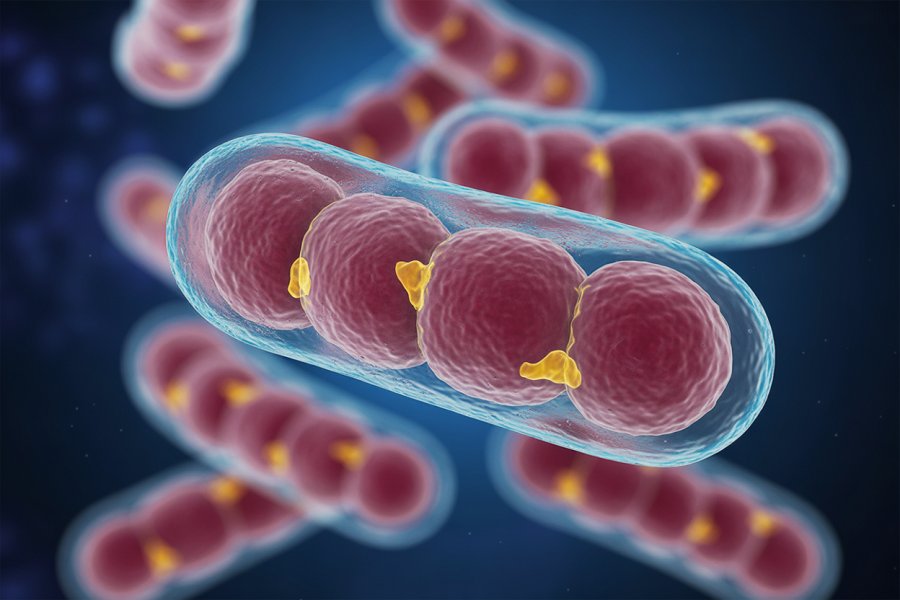
Navigating Limitations: The Strain-Specific Reality of Probiotic Power
Probiotics are not a one-size-fits-all solution, and their effects can vary significantly depending on several factors. One key challenge is that different strains are designed for specific purposes; for example, some aid digestion, while others bolster immunity. This means that a product containing certain bacteria may not deliver the expected benefits if those strains aren’t aligned with your particular needs. Many consumers assume that all probiotics are interchangeable, but in reality, the strains matter greatly for achieving meaningful results.
The quality of probiotic supplements is another critical issue. Not all products are created equal, and some may not contain the live bacteria they claim. Factors like storage conditions, expiration dates, and manufacturing processes influence how many bacteria remain viable by the time you take them. Heat, moisture, and time can degrade these microbes, often reducing their potency well below what’s advertised. Choosing reputable brands with transparent labeling and verified strains increases the likelihood of experiencing actual benefits.
Different probiotic strains serve distinct roles, and selecting the wrong ones can lead to limited or no noticeable effects. For instance, Lactobacillus acidophilus may support digestion, while Bifidobacterium bifidum might be better for immune health. Using a generic product without understanding these differences is like shooting in the dark. The effectiveness of probiotics depends heavily on matching the right strains to your specific health goals, making targeted selection essential.
For most healthy individuals, the benefits of probiotics tend to be mild and often short-lived. Once supplementation stops, any improvements in gut health or mood often fade quickly. This suggests that probiotics are more supportive tools rather than cures, especially if your baseline gut health is already good. Overuse or reliance on low-quality products can sometimes cause discomfort, such as bloating or gas, especially if your system isn’t accustomed to new bacteria.
Individual responses to probiotics can vary widely. Factors like age, genetics, diet, medication use, and existing gut conditions influence how well these microbes take hold and provide benefits. Some people respond positively, while others see little change or experience side effects. This variability underscores that probiotics aren’t a universal fix and require careful, personalized use to be truly effective.
Overusing probiotic supplements or choosing poorly formulated products can even backfire, leading to digestive upset rather than relief. Excessive doses may cause bloating, cramps, or gas, particularly if your gut isn’t prepared for a sudden influx of bacteria. Proper dosing, based on product instructions and individual tolerance, is crucial to avoid these pitfalls and ensure probiotics support your health without unintended side effects.
In the end, probiotics should be viewed as supportive allies rather than magic bullets. Their success depends on selecting the right strains, quality products, and using them appropriately. Recognizing their limitations helps set realistic expectations and prevents unnecessary or ineffective use. When incorporated thoughtfully into a healthy lifestyle, probiotics can be a helpful addition, but they won’t replace good diet, sleep, and stress management.
Strategic Use of Probiotics: When and How to Maximize Their Impact
Using probiotics effectively depends on understanding your specific health needs and timing. For example, if you’ve recently finished a course of antibiotics, starting a probiotic soon afterward can help replenish the beneficial bacteria that antibiotics tend to wipe out. Choosing strains like Lactobacillus rhamnosus or Bifidobacterium bifidum, known for their gut-restoring properties, and beginning within a few days after treatment can support quicker recovery. Continuing for two to four weeks allows the gut to rebuild its natural flora and regain balance.
During episodes of digestive discomfort, such as bloating, diarrhea, or irregularity, targeted probiotic strains can offer relief. Look for products that specify strains supported by research for your particular concern. Following dosing instructions carefully and maintaining consistency will help maximize benefits. This focused approach turns probiotics into a helpful tool during vulnerable periods, providing support precisely when your gut needs it most.
For daily maintenance, incorporating probiotic-rich foods like yogurt, kefir, sauerkraut, or kimchi into your diet may suffice. These natural sources contain a variety of beneficial bacteria and can sustain a healthy microbiome without the need for supplements. If your diet already includes these fermented foods regularly, additional probiotic supplements might be unnecessary unless specific issues arise. This food-first strategy aligns with a balanced lifestyle and reduces reliance on supplementation.
Probiotics are especially valuable during times of disruption, such as travel, stress, or illness. During travel, they can help prevent discomfort caused by unfamiliar foods and stress. After gastrointestinal illnesses or antibiotic treatments, targeted probiotics can accelerate healing and restore gut resilience. Timing is key—beginning probiotics during or immediately after these events ensures your microbiome recovers more quickly and effectively.
Dosing and duration should align with your situation. Start with the recommended amount and adjust based on how your body responds. In many cases, a daily probiotic during periods of stress or recovery works well, but stopping once symptoms resolve or your routine stabilizes prevents unnecessary overuse. Consulting a healthcare professional can help tailor strains and doses to your needs, ensuring you get the most benefit from your probiotic routine.
Remember, probiotics aren’t a universal fix but a support tool. They work best when integrated into a broader health approach that includes good diet, sufficient sleep, and stress management. Using probiotics thoughtfully and strategically makes them a reliable part of your health toolkit—supporting your gut and overall well-being during specific needs, not as a constant dependency. This targeted use maximizes their benefits while respecting their limitations, helping your microbiome stay balanced and resilient over time.

The Future of Gut Health: Innovations, Personalization, and Probiotic Advancements
Emerging research in the world of probiotics is paving the way for more personalized and effective approaches to gut health. Scientists are now exploring bacteria strains directly sourced from the human microbiome, aiming to develop tailored probiotic therapies that align with an individual’s genetics, diet, and lifestyle. This shift toward customization promises to make probiotic treatments more precise, increasing their effectiveness and reducing the trial-and-error that often accompanies current options.
Innovations in delivery technology are also gaining momentum. Traditional capsules and powders are being supplemented by advanced encapsulation methods that protect probiotics from stomach acid, ensuring more bacteria reach the intestines alive and active. Some companies are even experimenting with genetically engineered bacteria designed to perform specific functions within the gut, which could significantly boost probiotic efficacy and reliability.
The future of probiotics appears to be heading toward a holistic integration with other health strategies. Combining probiotics with prebiotics—fibers that feed beneficial microbes—can create synbiotic formulations that support a thriving microbiome more comprehensively. Lifestyle factors such as sleep, stress management, and diet are increasingly recognized as crucial components of gut health, and future guidelines are likely to emphasize this broader, more interconnected approach.
Personalized microbiome mapping is another exciting development. Advances in sequencing technology enable detailed analysis of an individual’s gut bacteria, revealing specific imbalances or gaps. With this data, customized probiotic regimens can be designed to fill particular deficiencies, making support more targeted and effective. While still in early stages, this approach could revolutionize probiotic use, transforming it from a broad-spectrum supplement into a precise health intervention.
Looking ahead, the focus seems to be shifting from generic supplementation to smarter, evidence-based strategies. Future recommendations might include microbiome assessments before starting probiotic routines, ensuring strains are selected based on actual needs rather than guesswork. This tailored approach minimizes unnecessary intake and maximizes benefits, aligning with a more scientific and personalized model of health care.
Staying informed about these innovations will be essential for consumers and healthcare providers alike. High-quality products with transparent labeling and verified strains will remain crucial as formulations become more complex. Regular microbiome assessments and adjustments to probiotic protocols will likely become standard practice, helping ensure these tiny allies continue to support health effectively over the long term. As research advances, probiotics may evolve from simple supplements into sophisticated tools for maintaining and enhancing gut health throughout our lives.