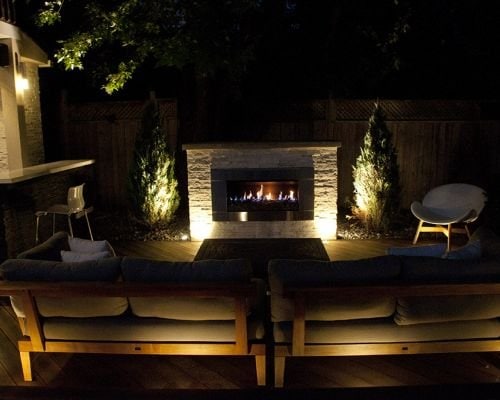
Imagine transforming your outdoor space with intelligent lighting that combines convenience, security, and energy savings—all at your fingertips. Smart outdoor lighting systems, once a novelty, have become essential for modern homeowners seeking safer, more efficient living environments. Using timers and sensors, these systems automatically illuminate pathways, gardens, and driveways, adapting to your routines and the environment. Remote control via smartphones and voice assistants offers unprecedented flexibility, whether you’re at home or away. But how far can this technology go? Future innovations promise even more responsiveness, with lights that learn your habits, adapt to weather conditions, and integrate seamlessly into broader smart home ecosystems. As these systems evolve, they’ll not only redefine outdoor living but also raise questions about sustainability, convenience, and security. Are you ready to explore a smarter, greener way to illuminate your world?
Transform Your Toronto Outdoor Space with Expert Landscaping Solutions
Looking to elevate your Toronto property’s curb appeal? Toronto Landscape & Design offers comprehensive services including natural stone installations, water gardens, irrigation systems, and retaining walls. Our award-winning designers take everything into consideration to craft a stunning backyard makeover that perfectly suits your lifestyle and aesthetic preferences. Whether you desire a peaceful backyard retreat or a functional outdoor area, our team is committed to delivering exceptional results. Discover how our professional landscaping services can turn your outdoor space into a beautiful oasis. Contact us today at 1.416.644.0499 or email [email protected] to start your journey towards a breathtaking landscape.

Transform Your Outdoors with Smart Lighting: Convenience, Safety, and Energy Savings
Smart outdoor lighting has transformed the way homeowners approach outdoor spaces, blending convenience, safety, and energy efficiency into a seamless experience. Unlike traditional fixtures that burn steadily all night or require manual operation, smart systems use timers, motion sensors, and wireless controls to automate lighting based on your routine and environment. This means you can enjoy well-lit pathways, porches, and gardens without the hassle of constantly managing switches or worrying about energy waste.
One of the key advantages of smart outdoor lighting is remote control. Using smartphone apps or voice assistants like Alexa or Google Assistant, you can turn lights on or off, adjust brightness, or set customized schedules from anywhere—whether you’re at home, at work, or on vacation. This flexibility not only simplifies managing outdoor spaces but also enhances security by allowing you to simulate occupancy, deterring potential intruders even when you’re away.
Automatic sensors add another layer of efficiency and security. Motion detectors activate lights only when movement is detected, reducing unnecessary energy consumption while ensuring visibility when it matters most. Timers can be programmed to turn lights on at dusk and off at dawn, aligning outdoor illumination with natural daylight patterns and further conserving power. Together, these features create a system that responds intelligently to your environment, making outdoor lighting more practical and eco-friendly.
Beyond energy savings, smart outdoor lighting plays a vital role in home security. Well-placed lights that turn on automatically upon detecting motion can deter vandalism and unwanted visitors, creating a safer outdoor environment. The ability to control lighting remotely also means you can manage your outdoor ambiance and security settings effortlessly, providing peace of mind whether you’re home or away.
As technology continues to evolve, smart outdoor lighting is becoming an essential part of modern smart homes. These systems not only improve convenience and safety but also add aesthetic appeal with customizable styles and colors. They integrate effortlessly into broader home automation setups, offering a unified control experience that enhances your outdoor living environment.
In essence, smart outdoor lighting combines the benefits of automation, energy efficiency, and security into a simple, effective package. It adapts to your routines and environment, making outdoor spaces safer, more functional, and more enjoyable—day and night. As these systems become more advanced and accessible, they are set to redefine outdoor living for homeowners seeking smarter, greener solutions.
From Flickering Flames to Intelligent Illumination: The Evolution of Outdoor Lighting
Outdoor lighting has come a long way from its early days, evolving through technological advancements to become what we see today. Initially, outdoor illumination relied on simple fixtures using incandescent bulbs, requiring manual operation—turning on at dusk and off at dawn. These basic setups served their purpose but lacked flexibility, often wasting energy by staying on all night or depending on residents to remember to switch them off. As technology progressed, so did the options for outdoor lighting, gradually shifting toward more efficient and automated solutions.
The introduction of LED technology marked a significant milestone. Bright, durable, and low in energy consumption, LED bulbs made outdoor lighting more practical and sustainable. Alongside these, timers and basic sensors appeared, allowing lights to be scheduled to turn on or off automatically. While these features improved convenience, they still operated largely as standalone systems without connectivity, limiting their adaptability to changing routines or environmental conditions.
The real breakthrough happened with wireless technology, transforming outdoor lighting from fixed fixtures into connected systems. Homeowners gained the ability to control their lights remotely via remote controls or wired automation hubs. This shift made managing outdoor lighting more flexible, though many systems still required manual programming or physical adjustments. The move from wired to wireless controls laid the foundation for the fully integrated, smart solutions we see today, enabling users to manage outdoor lighting through smartphone apps or voice commands.
As consumer demand for smarter homes grew, so did the integration of outdoor lighting with broader home automation ecosystems. Today’s systems are capable of responding to environmental cues through advanced sensors—detecting motion, ambient light, and weather conditions. This responsiveness allows outdoor lights to adapt dynamically, optimizing energy use while enhancing safety. These innovations have turned outdoor lighting into a responsive, intelligent component of modern home automation, making it easier than ever to create safe, energy-efficient outdoor environments.
Looking ahead, the evolution of outdoor lighting continues at a rapid pace. Future developments are likely to incorporate artificial intelligence that learns routines and adjusts lighting automatically for maximum comfort and efficiency. Sensor technology will become even more sophisticated, responding to weather changes and environmental factors. With sustainable materials and better energy sources, the next generation of smart outdoor lighting promises to be more eco-friendly and seamlessly integrated into our connected lives, building on decades of innovation to create smarter, greener outdoor spaces.

Today’s Smart Outdoor Lighting Market: Trends, Technologies, and Choices
Today’s market for smart outdoor lighting offers a diverse range of systems designed to meet different needs and styles. From energy-efficient LED fixtures to solar-powered options, homeowners can select solutions that fit their outdoor spaces and budgets seamlessly. Many of these products now come with user-friendly smartphone apps, making remote control, scheduling, and customization straightforward. Compatibility with voice assistants like Alexa and Google Assistant further enhances convenience, allowing hands-free operation and easy integration into daily routines.
A clear trend in the industry is the growing integration of smart lighting with broader home automation platforms. This enables centralized management through a single app or voice command, simplifying control over outdoor and indoor environments alike. Features such as motion sensors, ambient light detection, and weather-responsive adjustments help optimize energy use while improving safety. As sensor technology advances, outdoor lights respond more precisely to environmental cues, creating adaptive lighting that conserves energy and enhances security.
LED fixtures dominate the landscape due to their brightness, durability, and low energy consumption. Solar-powered options are also gaining popularity, especially in regions with abundant sunlight, providing off-grid solutions that reduce electricity costs. Automated scheduling and motion detection work together to ensure lights operate only when needed, cutting utility bills and extending fixture lifespan. This targeted approach makes smart outdoor lighting both environmentally friendly and cost-effective, aligning with sustainable living goals.
Homeowners are the primary users of these systems, leveraging intuitive apps and voice controls to manage outdoor lighting with ease. Customization options allow users to tailor lighting scenes for relaxing evenings or security purposes, often without professional installation. Regular software updates add new features and improve reliability, ensuring these systems evolve with user needs and technological advancements. The emphasis on sleek, weather-resistant designs ensures durability while maintaining aesthetic appeal, blending seamlessly into various outdoor settings.
Design considerations focus on creating effective, stylish outdoor lighting solutions that enhance both safety and visual appeal. Fixtures come in a variety of styles, materials, and colors, allowing homeowners to craft outdoor environments that match their personal aesthetic. Proper placement, combined with smart features like adjustable brightness and color temperature, ensures lighting is both functional and attractive. This combination of form and function helps turn outdoor spaces into inviting, secure retreats.
Energy savings and environmental benefits are central to the appeal of smart outdoor lighting. Automated systems significantly reduce unnecessary energy consumption, supporting eco-friendly practices. By responding to environmental conditions and user routines, these systems minimize waste and lower carbon footprints. As consumers increasingly prioritize sustainability, innovations in energy-efficient materials and renewable power sources continue to shape the future of outdoor lighting, making it a smarter, greener choice for modern homes.
Real-Life Success Stories: How Smart Outdoor Lighting Enhances Safety, Convenience, and Security
Many homeowners have already experienced the tangible benefits of smart outdoor lighting in their daily lives. Emily, for instance, installed a system around her driveway and garden, which she controls effortlessly via a smartphone app. She appreciates how her lights automatically turn on at sunset and off at sunrise, eliminating the need for manual switches and ensuring her outdoor spaces are always welcoming and well-lit. This setup not only boosts safety but also deters potential intruders, giving her peace of mind when she’s away from home.
Similarly, Tom’s family added motion-sensor lights along their backyard pathways. These lights activate only when movement is detected, which has significantly reduced their energy bills—no more lights wasting power when no one’s outside. The security aspect is clear: bright lights that respond to activity make it harder for intruders to approach unnoticed, creating a safer environment. These real-life examples show how smart outdoor lighting easily fits into everyday routines, offering convenience, cost savings, and peace of mind without complicated setups.
Despite some initial difficulties with installation or occasional connectivity hiccups, most users find the benefits outweigh the minor inconveniences. The ability to control outdoor lighting remotely—whether from the couch, work, or while on vacation—adds a level of flexibility that traditional systems simply can’t match. Automated schedules mean homeowners don’t need to think about turning lights on or off manually, making daily life more straightforward and less stressful.
Energy savings remain a standout advantage. Thanks to motion sensors and scheduling features, outdoor lights now operate only when necessary. This targeted approach not only cuts utility costs but also extends the lifespan of bulbs and fixtures, making smart outdoor lighting a more sustainable choice. Many users report that this combination of efficiency and eco-friendliness aligns well with their environmentally conscious lifestyles, turning a practical upgrade into a responsible one.
Overall, adopting smart outdoor lighting transforms outdoor spaces into safer, more manageable areas. People enjoy how seamlessly these systems integrate into their routines, providing enhanced security and convenience without adding complexity. Even when technical issues occur, the positive impact on safety, efficiency, and ease of use makes the investment worthwhile, creating outdoor environments that are not just smarter but also more inviting and secure. Professional landscape design is just a call away—dial 1.416.644.0499, email [email protected], or visit Toronto Landscape Design.

Looking Ahead: Innovations and Future Directions in Smart Outdoor Lighting
Future trends in smart outdoor lighting are set to redefine how we interact with our outdoor spaces, making them smarter, more responsive, and more sustainable. Artificial intelligence will become a key player, enabling lighting systems to learn your routines and automatically adjust brightness, color, and timing for optimal comfort and efficiency. Imagine outdoor lights that dim during your relaxing evenings or brighten when guests arrive, all without manual input. This kind of adaptive technology will create a seamless experience, blending convenience with energy savings.
Sensor technology is also poised for significant advancement. Future systems won’t just detect motion; they’ll respond to environmental factors like weather, temperature, and humidity. For instance, lights could automatically increase brightness during fog or rain to improve visibility or adjust based on ambient light levels to conserve energy. These responsive features will ensure outdoor areas stay well-lit and safe regardless of external conditions, reducing waste while enhancing safety and comfort.
Materials and energy sources will lean even more toward sustainability. Solar-powered fixtures will benefit from improved batteries with longer-lasting, weatherproof storage, making off-grid solutions more reliable and widespread. Eco-friendly manufacturing practices and biodegradable components will further minimize environmental impact. These innovations will make outdoor lighting not only smarter but also greener, aligning with the growing demand for environmentally responsible solutions.
Controls will evolve to be more intuitive and natural. Mobile apps and voice assistants will offer effortless interactions, allowing users to customize lighting scenes, schedules, and environmental responses with ease. Interfaces will become more user-friendly, making smart outdoor lighting accessible to everyone, regardless of technical skill. This simplification will encourage broader adoption and integration into daily routines, transforming outdoor spaces into personalized, dynamic environments.
Looking further ahead, outdoor lighting will become an integral part of comprehensive smart home ecosystems. Integration with security, climate control, and entertainment systems will lead to environments that respond automatically to various triggers. Lights could dim when you start watching a movie or activate in response to security alerts, creating a more cohesive, intuitive home experience. This interconnected approach will make outdoor spaces not just safer but also more engaging and tailored to individual lifestyles.
As these innovations unfold, outdoor lighting will transcend its traditional role, becoming a sophisticated tool for safety, efficiency, and ambiance. Homes will feature systems that learn and adapt, providing a level of personalization previously unimaginable. The focus will shift from simple illumination to creating outdoor environments that are both environmentally conscious and effortlessly responsive, shaping the future of outdoor living into a smarter, greener, and more connected experience.