Learning to ride a bike is more than just mastering a physical skill; it’s a profound journey into courage, independence, and family bonds. But does the thrill of freedom outweigh the fear of falling? This heartwarming exploration reveals how each wobble and tumble teaches resilience, patience, and trust—lessons that extend beyond childhood. As children push past their fears with supportive families by their side, they gain confidence, explore new horizons, and develop a sense of self-reliance. Advances in safety gear, thoughtful environments, and gradual independence now make the learning process safer and more joyful than ever before. Yet, the real magic lies in the emotional growth—families sharing unforgettable moments of perseverance, pride, and joy. Learning to ride becomes a symbol of overcoming setbacks, fostering resilience, and embarking on a lifelong journey of confidence and curiosity. Are the risks worth the rewards? Absolutely—because these moments shape resilient, adventurous spirits ready to face the world.
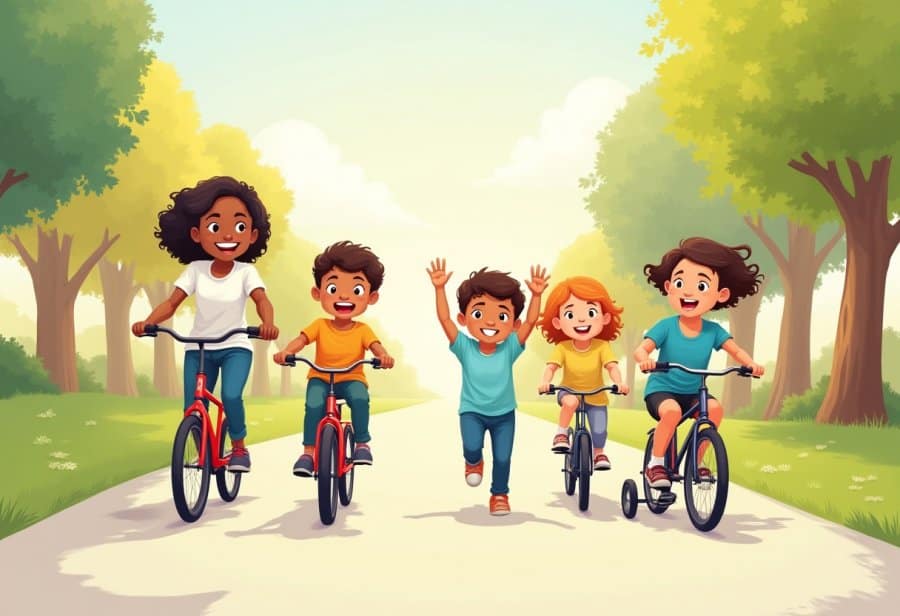
Courage, Connection, and Childhood: The Magic of Learning to Ride
Learning to ride a bike is more than just mastering a new skill—it’s a milestone packed with emotion, growth, and connection. For many families, it’s a moment that’s both nerve-wracking and exhilarating, filled with that mix of anticipation and nervousness that comes with teaching a child something new. Watching a little one wobble on two wheels for the first time stirs a wave of pride and hope, as parents see their child stepping toward independence.
This experience isn’t just about balancing and pedaling. It’s a powerful symbol of trust and support within a family. Whether parents run alongside, steadying the seat, or cheer from the sidelines, each small act reinforces a bond rooted in patience and shared achievement. These moments of teamwork teach children that setbacks—like falls or wobbles—are just part of the process, not the end of the journey.
Learning to ride also sparks a sense of confidence that can carry over into other parts of life. The act of pushing through fears and wobbling until they succeed becomes a metaphor for tackling challenges beyond the bike. Every fall becomes a lesson in resilience, and every small victory builds their belief that they’re capable of more than they might realize.
Children’s first bike ride often marks the start of newfound independence. It encourages exploration, curiosity, and a sense of control over their world. As they pedal away with shaky legs, they learn that persistence and support make all the difference—lessons that will shape their approach to future obstacles and adventures.
Beyond individual achievement, these moments deepen emotional bonds. Family outings turn into shared stories of perseverance, pride, and joy. Each wobble and wobble’s recovery strengthens trust and connection, turning simple bike rides into lasting memories. It’s in these small, everyday victories that families find a sense of unity and shared purpose.
Ultimately, learning to ride a bike captures childhood’s magic—a time when courage and support come together to create moments of growth and joy. It teaches kids that overcoming fears isn’t about never falling but about getting back up stronger each time. These lessons in resilience and independence lay a foundation for a lifetime of confidence and exploration.
Foundations of Growth: Family Bonds and Life Lessons in Every Wobble
Learning to ride a bike goes beyond simply balancing on two wheels; it embodies core ideas about childhood growth and the bonds that hold families together. For many kids, this milestone isn’t just a physical challenge but a window into their ability to confront fears and develop perseverance. As they wobble and fall, they learn that setbacks are normal and that persistence can lead to success. This process mirrors broader life lessons: patience, resilience, and trusting oneself. It shows children that progress often comes from trying again, even after a stumble.
Family involvement is at the heart of this journey. Teaching a child to ride isn’t just about mechanics—it’s about shared moments of encouragement, support, and trust. Whether parents run alongside, steadying the bike, or cheer from the sidelines, these interactions forge emotional bonds rooted in patience and teamwork. Supporting children after a fall teaches that reassurance, rather than doing everything for them, builds resilience. These small acts of reassurance turn a simple bike ride into a significant milestone of trust and emotional growth.
Bike riding also symbolizes stepping into independence. Mastering balance on two wheels offers children their first taste of self-reliance, boosting confidence that extends beyond the bike itself. Pedaling away, even with wobbly legs, becomes a metaphor for facing challenges in other areas of life. It encourages curiosity, exploration, and a sense of control, laying a foundation for future growth. Transitioning from guided support to independent riding helps kids see themselves as capable and resilient.
This milestone reflects a universal childhood experience. Across cultures, children encounter learning to ride as a shared symbol of growth and resilience. It’s a simple act that captures the essence of childhood: facing fears, trying again after a fall, and celebrating small victories. Recognizing this shared journey helps us appreciate how these early lessons shape trust, perseverance, and a sense of belonging.
The natural fears of falling can feel overwhelming, but with gentle support, children learn that overcoming fears is part of growth. When families reframe falls as opportunities to learn, children develop emotional resilience. Every wobble or tumble becomes a stepping stone, reinforcing that persistence and support turn challenges into triumphs. These early lessons in resilience stay with kids as they navigate future obstacles.
Learning to ride also fosters emotional strength. When children fall, they discover setbacks aren’t final but part of the process. Supporting their effort teaches patience and perseverance. Over time, they understand that with effort and encouragement, they can overcome obstacles. These experiences help shape a confident mindset, ready to face new challenges with optimism and grit.
At its core, learning to ride a bike weaves together physical development, emotional growth, and family bonds. It’s a layered experience that teaches trust, persistence, and independence. As children push past their fears, they gain confidence that fuels their curiosity and resilience. These small moments of triumph build a foundation that supports their journey into a world of new adventures and challenges.
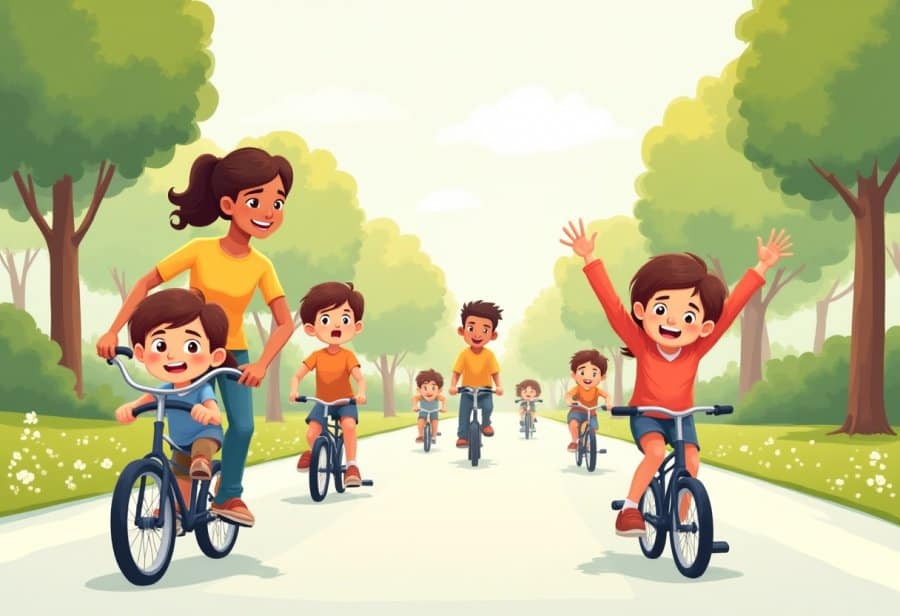
Today’s Ride: Safer, Smarter, and More Supportive Learning Environments
Today, learning to ride a bike is still a common milestone, but the way children go about it has evolved with advances in safety standards and bike design. Many parents now choose lightweight, easy-to-handle bikes suited to their child’s age, making the process smoother and more comfortable. Practice often takes place in quiet parks, driveways, or low-traffic streets, providing a safe environment where kids can focus on balancing and pedaling without the stress of cars nearby. These settings help children build confidence gradually, allowing them to progress at their own pace.
Safety gear has become more accessible and better designed, which helps kids feel secure during practice. Helmets, knee and elbow pads, and reflective clothing are now standard, emphasizing safety while keeping the experience fun. Many children start with balance bikes or training wheels, easing them into the sensation of riding before transitioning to two wheels. Some families also use online tutorials or join community programs, making learning more engaging and less intimidating for kids.
Parenting approaches have shifted as well. Today’s parents often combine traditional guidance with modern tools, like apps and videos, to support their children’s progress. They choose environments like parks with soft grass or dirt paths, where falls are less painful and children are more willing to keep trying. As kids gain confidence, parents might allow supervised street rides or rides around the neighborhood, gradually increasing independence and trust.
Bike manufacturers have introduced innovations aimed at easing the learning process. Lightweight frames, adjustable seats, and puncture-resistant tires make bikes easier to handle, reducing frustration and helping children feel more in control. Stylish helmets and padded clothing also encourage consistent safety gear use, making safety a natural part of riding. These improvements make the experience more enjoyable and motivate children to keep practicing.
Timing matters too. Warm weather and longer daylight hours, especially in spring and summer, create ideal conditions for outdoor riding. When children are physically ready and parents plan lessons thoughtfully, the process becomes a positive milestone. Rushing too early can lead to frustration, but patience and careful planning turn learning to ride into a memorable, confidence-boosting experience.
Overall, today’s approach to learning to ride balances safety, fun, and gradual independence, helping children develop skills and confidence in a supportive environment.
Investing in Confidence: Balancing Cost, Safety, and Long-Term Joy
When you start planning to teach a child to ride a bike, the question of cost naturally comes up. Bikes vary widely in price, from budget-friendly models around $100 to more durable, lightweight options that can last for years. For beginners, a basic bike in the $100 to $200 range usually does the job, but investing a little more—say $300 or higher—can be worthwhile if you want something that grows with your child and handles different terrains. Higher-quality bikes tend to be lighter and easier for kids to manage, making the learning process safer and more comfortable.
Safety gear is just as crucial and adds to the overall expense. A good helmet is essential and can cost anywhere from $20 for basic models to $50 or more for advanced features. Knee and elbow pads, along with reflective clothing, are small investments that significantly reduce injury risk. Kids are more likely to wear protective gear consistently if it’s comfortable and appealing, so choosing well-fitting, fun gear encourages regular use. These safety measures not only protect but also boost confidence during practice.
Training resources play a role in budgeting, too. Training wheels are affordable, typically costing $10 to $30, and help children get used to steering and pedaling. Balance bikes, which develop coordination before transitioning to two wheels, can range from $50 to $150. Some families opt for community programs or online tutorials, which are often free or low-cost, providing structured support that accelerates learning. These tools can make the experience more engaging and help kids build skills faster.
If finances are tight, buying second-hand bikes or repurposing household items for safety gear can be smart options. Thrift stores, online marketplaces, and local swaps often offer reliable bikes at a fraction of the retail price. Making homemade reflectors or padding from household items can also cut costs without compromising safety. Finding a balance between affordable options and quality gear ensures a safe, enjoyable experience without overspending.
Spending a bit more on a sturdy, adjustable bike can pay off in the long run. These bikes tend to last longer and grow with your child, reducing the need for early replacements. Cheaper bikes often wear out faster and might lead to additional expenses down the road. Investing wisely at the outset creates a safer, more comfortable riding experience and sets your child up for many successful rides ahead.
Ultimately, budget considerations shouldn’t overshadow safety and quality. Prioritizing durable bikes and reliable safety gear helps make learning to ride smoother and more fun. A well-chosen bike with adjustable features can accompany your child for years, making the initial investment worthwhile. When you balance cost with safety and comfort, the process of learning to ride becomes less stressful and more rewarding for everyone involved.
Beyond the Pedals: How Bike Riding Shapes Confidence, Independence, and Family Bonds
Learning to ride a bike doesn’t just end with that first wobble or fall; it sparks changes that ripple through a child’s daily life and family dynamics. Once children gain confidence, they often choose cycling as a quick, fun way to get around—whether heading to a friend’s house or exploring the neighborhood. Cycling becomes a small act of independence, transforming routine trips into mini adventures that foster curiosity and a sense of control.
Kids who master riding tend to be more active overall. Cycling is an enjoyable way for children to stay fit without feeling like hard work. As their skills grow, many start participating in outdoor activities more regularly, which benefits both their physical health and mental well-being. The early lessons in persistence and overcoming falls lay a foundation for resilience that helps them face other challenges with a more positive outlook.
Family outings also change once children learn to ride. Kids can keep pace with parents and siblings, making trips more inclusive and fun. Instead of relying solely on adults to drive or walk, everyone can enjoy riding together. These shared experiences strengthen bonds, deepen trust, and create lasting memories rooted in teamwork and encouragement.
The confidence children develop from overcoming initial fears extends beyond cycling. They begin to see themselves as capable of facing new challenges, whether trying a new activity or tackling responsibilities at school. Falling and getting back up on the bike teaches patience and perseverance, lessons that become part of their emotional toolkit and help them navigate future setbacks more resiliently.
Learning to ride also boosts self-esteem. When children see concrete proof of their progress—like riding without wobbling—they feel proud and more willing to explore new horizons. This sense of achievement fuels their independence and fosters a mindset that embraces growth and discovery.
For families, these moments of triumph transform into shared stories of perseverance and support. Watching a child wobble, fall, and then succeed cultivates a sense of trust and pride that strengthens emotional bonds. These experiences teach kids that setbacks are normal and that persistence, combined with family support, leads to success.
Over time, these lessons in resilience and independence shape children into confident, adventurous individuals. They learn that facing fears with patience and support is key to growth. The act of learning to ride becomes more than a physical skill—it’s a stepping stone to a lifetime of confidence, exploration, and joy, with family bonds as the foundation.
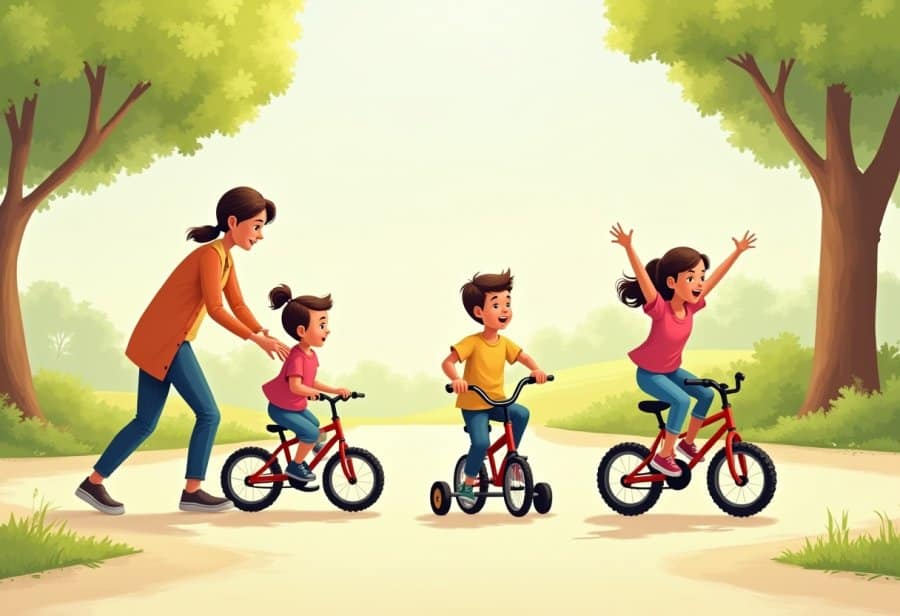
Balancing Fear and Freedom: Embracing Growth and Joy on the Journey of Learning to Ride
Learning to ride a bike is more than just a childhood milestone; it’s a powerful lesson in balancing fear with freedom. Kids discover that falling isn’t the end of the road, but a step in the journey toward confidence. With patience and support, what once seemed terrifying transforms into a stepping stone for independence. This experience teaches children that challenges can be overcome, especially when they have loved ones cheering them on from the sidelines.
Families play a vital role in turning this challenge into a bonding moment. Every wobble, tumble, and triumph helps build trust and resilience. These shared efforts and encouragement create memories that last a lifetime and reinforce the idea that setbacks are simply part of growth. When children see their persistence rewarded, they learn that perseverance and support lead to success, fostering a sense of hope and determination.
As children master riding, their view of the world shifts. They explore with curiosity, navigate with confidence, and embrace new adventures. This newfound independence fuels their growth, boosting self-esteem and inspiring a willingness to face future challenges. The act of conquering fears on two wheels lays a foundation for resilience that will serve them well beyond childhood.
It’s essential for parents to strike a balance—pushing just enough to spark growth without rushing or pressuring. Gentle guidance and patience nurture a love for learning and strengthen a child’s belief in their own abilities. When children see that effort pays off, they carry that mindset into school, friendships, and new experiences, shaping confident, capable individuals.
The lessons learned from learning to ride extend far beyond the bike itself. They teach resilience, patience, and the importance of support. Falling and rising again becomes a metaphor for life’s obstacles, instilling a mindset that setbacks are temporary and perseverance is key. These early lessons in confidence and persistence help children face the world with optimism.
In the end, learning to ride encapsulates childhood’s magic—a time when courage and support come together to create moments of growth and joy. It reminds us that the journey matters as much as the destination. Embracing this process helps children develop a resilient spirit, eager for new adventures and ready to take on whatever challenges lie ahead.