Heroic archetypes like Odysseus and Batman serve as powerful mirrors of their societies, revealing how cultural values shape our notions of heroism. Odysseus embodies ancient Greek virtues—cunning, endurance, and moral virtue—reflecting a civilization that celebrated ingenuity and resilience amid divine chaos. Conversely, Batman’s dark, morally complex persona echoes modern anxieties about urban decay, systemic corruption, and internal moral struggles. Their stories evolve with societal shifts: from mythic feats emphasizing strength and virtue to gritty narratives exploring moral ambiguity and psychological resilience. This contrast raises a compelling question—what do these differences tell us about the societies that crafted them? Ultimately, these archetypes demonstrate that heroism is a dynamic reflection of human ambition and societal priorities, constantly adapting to our collective hopes, fears, and struggles. They challenge us to consider how our own stories of heroism mirror the world we live in and the values we aspire to.
Article Contents

Unveiling Heroic Archetypes: Odysseus versus Batman
Heroic archetypes are patterns that have stood the test of time, helping us understand what it means to be a hero in different cultures and eras. These stories aren’t just about individual feats; they embody the values, fears, and aspirations of the societies that tell them. Whether in ancient myths or modern comics, heroes reflect the collective mindset—highlighting traits that resonate deeply with their audiences. Comparing Odysseus, the clever king from Homer’s epics, with Batman, the dark vigilante of Gotham, offers a compelling look at how heroism evolves to mirror societal hopes and anxieties.
Despite their vastly different worlds, both characters share core qualities like resilience and strategic thinking. Odysseus exemplifies Greek ideals—using wit and endurance to navigate divine wrath and mortal dangers. His long journey home and clever tricks, like the Trojan Horse, showcase a hero who relies on intelligence and perseverance. Batman, meanwhile, embodies modern concerns about chaos, moral ambiguity, and individual responsibility. His dark persona reflects a society grappling with urban decay and systemic corruption, yet still holding onto the belief that one person can make a difference.
This comparison isn’t just about individual stories; it reveals how societies craft their heroes to express collective values. Ancient Greece celebrated cunning, loyalty, and moral virtue—traits that helped heroes like Odysseus overcome divine and natural challenges. Today, heroes like Batman grapple with shades of gray, emphasizing resilience, moral complexity, and personal sacrifice. These shifts in hero archetypes show how cultural priorities change over time, adapting stories to fit new social realities and fears.
Looking at Odysseus and Batman, we see that hero stories serve as mirrors of their societies. Odysseus’s resourcefulness highlights Greek admiration for human ingenuity and endurance, virtues that helped their civilization navigate chaos and divine forces. Batman’s morally complex character echoes contemporary concerns about urban decay and moral decline, emphasizing resilience and moral agency in a fractured world. Their stories remind us that heroism is shaped by the societal landscape—whether rooted in divine intervention or internal moral struggles.
Understanding these archetypes reveals that hero stories are more than entertainment—they reflect human ambitions and societal identities. Odysseus’s cleverness and resilience embody ancient ideals of virtue and endurance, while Batman’s moral complexity echoes modern fears and hopes. These stories continue to evolve, revealing what each era values most—traits that inspire us to face our own challenges with intelligence, perseverance, and a sense of moral purpose.
Roots and Reverberations: The Cultural Foundations of Heroes
Hero archetypes have deep roots that stretch back through human history, serving as mirrors of our collective psyche. In ancient cultures, stories about gods, warriors, and mythic figures weren’t just entertainment—they explained the world, reinforced social values, and inspired resilience. These narratives often showcased qualities like strength, cunning, and moral virtue, setting standards for what it meant to be a hero. Over time, as societies evolved, their hero archetypes shifted in response to cultural changes, societal struggles, and philosophical ideas.
In early Greek society, heroism was closely tied to virtues such as loyalty, resilience, and intelligence. Odysseus’s character was shaped by a culture that celebrated cleverness and resourcefulness as essential tools for overcoming divine wrath and mortal dangers. Greek stories praised the hero not just for physical strength but for strategic thinking and adaptability—traits exemplified during his long, arduous journey home and his ability to outwit enemies like the Cyclops. These qualities reflected Greek values that prioritized human ingenuity and moral virtue as keys to greatness and social harmony.
Moving into the classical period, hero stories became tools for reinforcing societal ideals. Heroes like Achilles and Heracles embodied strength and bravery, but also moral virtues such as loyalty and honor. These stories served as models for personal virtue and social cohesion, emphasizing that heroism involved more than brute force—it required moral integrity. Such narratives reinforced the idea that true heroism was rooted in moral virtue and societal duty, shaping cultural expectations for generations.
As societies grew more complex, hero stories expanded beyond mythic feats to explore internal struggles and moral ambiguity. In modern times, characters like Batman respond to fears about urban crime, corruption, and societal decay. His dark, brooding persona embodies societal anxieties—chaos and moral decline—yet also reflects hope: that individuals can take responsibility and make a difference despite systemic flaws. This shift from divine intervention to internal moral conflict highlights how hero narratives adapt to mirror contemporary concerns, emphasizing resilience and moral resilience over external strength alone.
Throughout history, cultural values and societal struggles have played pivotal roles in shaping hero stories. Ancient Greek heroes like Odysseus exemplified traits such as cleverness, endurance, and loyalty—qualities that helped navigate divine chaos and natural threats. These stories reinforced virtues that promoted social cohesion and resilience. Conversely, modern heroes like Batman are shaped by fears of urban decay and systemic corruption, emphasizing moral complexity and individual agency. Both archetypes act as cultural mirrors, reflecting the core concerns of their respective eras and demonstrating how hero stories evolve alongside societal changes.
This evolution reveals that hero archetypes are living stories, continuously adapting to the values, fears, and hopes of each generation. From divine myths to gritty modern legends, they serve as cultural barometers—highlighting what societies admire or fear. Understanding their origins shows that hero stories aren’t static; they are dynamic reflections of human ambition and societal identity. They reveal how cultures define strength, morality, and resilience, shaping the heroes who inspire us to face challenges with courage and ingenuity.
From Myths to Modernity: The Transformation of Hero Narratives
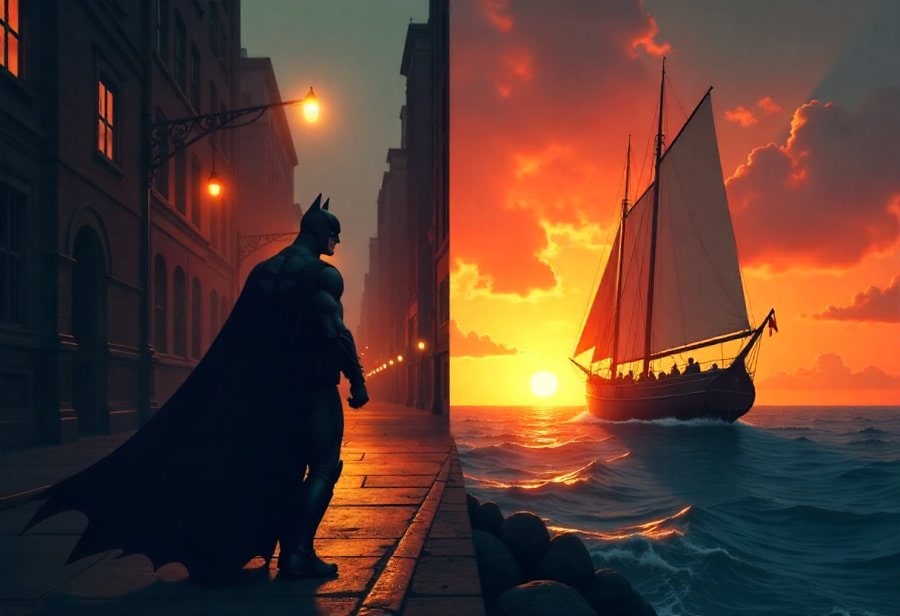
Hero narratives have undergone a profound transformation over the centuries, reflecting shifts in cultural values and societal concerns. In ancient Greece, stories about heroes like Odysseus centered on traits such as cleverness, resilience, and moral virtue. These qualities weren’t just about individual strength; they reinforced societal ideals of wit and endurance, helping communities navigate divine chaos and mortal dangers. Odysseus’s cunning plans, like the Trojan Horse, celebrated strategic thinking, while his long journey home embodied unwavering perseverance. These stories emphasized that human ingenuity and moral virtue were essential for overcoming obstacles, shaping a hero archetype rooted in moral complexity and adaptability.
As societies grew more complex, hero stories expanded beyond mythic feats to explore internal struggles and moral ambiguity. The Greek hero was no longer just a divine or semi-divine figure; he became a symbol of virtues like loyalty and honor, serving as a moral compass for society. Moving into the classical period, stories of Achilles and Heracles reinforced strength and bravery, but also moral integrity. These narratives promoted personal virtue and social cohesion, emphasizing that true heroism involved more than physical prowess—it required a moral backbone and a sense of duty.
In modern times, hero stories have shifted again, reflecting new fears and societal realities. Heroes like Batman embody a darker, more introspective approach. His vigilante justice responds to urban crime, corruption, and systemic decay. Unlike the archetypal mythic hero, Batman operates in moral gray areas, questioning justice and morality itself. This evolution from divine intervention to internal moral conflict mirrors contemporary anxieties, highlighting resilience and moral resilience as key traits in the face of chaos and decline.
Storytelling technology and cultural priorities have also evolved, shaping how heroes are portrayed. Ancient myths relied on oral traditions, allegories, and archetypes that reinforced social bonds. Today, films and comics offer sophisticated character development, psychological realism, and moral nuance. Heroes like Batman resonate because they embody internal dilemmas and resilience, speaking to modern struggles with internal and external chaos. This shift underscores that hero narratives are dynamic, continuously adapting to mirror our changing fears, hopes, and values.
Ultimately, the evolution from mythic to modern hero stories reveals a broader understanding of human nature. The focus has moved from divine power and moral simplicity to resilience, strategic thinking, and moral ambiguity. Heroes now reflect internal struggles as much as external threats, emphasizing that heroism is about navigating complexity and chaos. These stories serve as mirrors of societal transformation, showing us that heroism is not static but a living reflection of our collective ambitions, fears, and aspirations.
This ongoing evolution of hero stories highlights how modern narratives continue to draw inspiration from ancient ideals while adapting to contemporary values. For a deeper understanding of how these archetypes compare and contrast across different eras, you can explore a comparative analysis of Odysseus and Batman’s heroism traits.
Traits that Triumph: Strategies, Resilience, and Human Aspiration
Heroes stand out through their strategies, resilience, and relentless human ambition. Odysseus’s cleverness in devising plans like the Trojan Horse highlights the importance of strategic thinking—outsmarting enemies who rely on brute strength or divine interference. His perseverance amid a long, treacherous journey demonstrates resilience, refusing to give in despite divine wrath and mortal threats. Similarly, Batman’s detective skills, inventive gadgets, and quick wit keep him ahead of Gotham’s criminals, exemplifying mental agility as a core trait.
At their core, both heroes embody an innate drive to overcome obstacles and achieve something greater than themselves. Odysseus’s unwavering pursuit of home and honor fuels his resilience and strategic mind, showing that persistence paired with cleverness is essential for navigating complex challenges. Batman’s unyielding commitment to justice reflects a desire to restore order and safety, even in the face of overwhelming odds. These qualities inspire us to embrace resilience and strategic thinking as vital tools in our own struggles.
Odysseus’s legendary ability to adapt swiftly turned potential disasters into triumphs. Whether outwitting the Cyclops or navigating treacherous waters, his resilience and intelligence are intertwined. His perseverance, despite divine interference, underscores a core belief: that mental agility and unwavering resolve are crucial to overcoming adversity. Batman’s detective skills and inventive tactics echo this same principle, emphasizing that resilience involves quick thinking and resourcefulness. Both figures prove that staying adaptable and mentally sharp allows heroes to face unpredictable threats.
Their stories also reveal that resilience and strategy serve a larger human ambition—to master chaos. Odysseus’s relentless drive to return home symbolizes the universal longing for stability and belonging. Batman’s fight against Gotham’s chaos reflects a deep aspiration to restore moral order. Their tales suggest heroism depends on harnessing human ambition to confront disorder, whether divine, natural, or societal, turning challenges into opportunities for growth.
Heroism, in their stories, isn’t static; it’s a dynamic process rooted in resilience and strategic mastery. Odysseus’s quick thinking and adaptability kept him alive through divine punishments and mortal enemies, illustrating that flexibility is vital in crisis. Batman’s ability to respond swiftly to emerging threats and moral dilemmas underscores that resilience requires mental agility and a willingness to evolve. Both demonstrate that perseverance combined with strategic innovation is what turns ordinary individuals into legends.
Ultimately, Odysseus and Batman embody the idea that resilience, strategic thinking, and human ambition are the foundations of heroism. Their journeys remind us that facing our own challenges with courage and ingenuity makes all the difference. Whether navigating divine wrath or urban chaos, these heroes show that resilience and strategic mastery aren’t just traits—they are the core tools that transform people into legends.
Their stories serve as a testament to the timeless truth: heroism is about using our minds and spirits to turn obstacles into opportunities. Resilience and strategy aren’t just survival skills—they reflect our deepest human drive to grow, to protect what matters, and to make a difference. In every challenge, these qualities offer a pathway to greatness, inspiring us to face our own struggles with the same resolve and cleverness.
Reflections in Myth and Modernity: The Enduring Power of Hero Archetypes
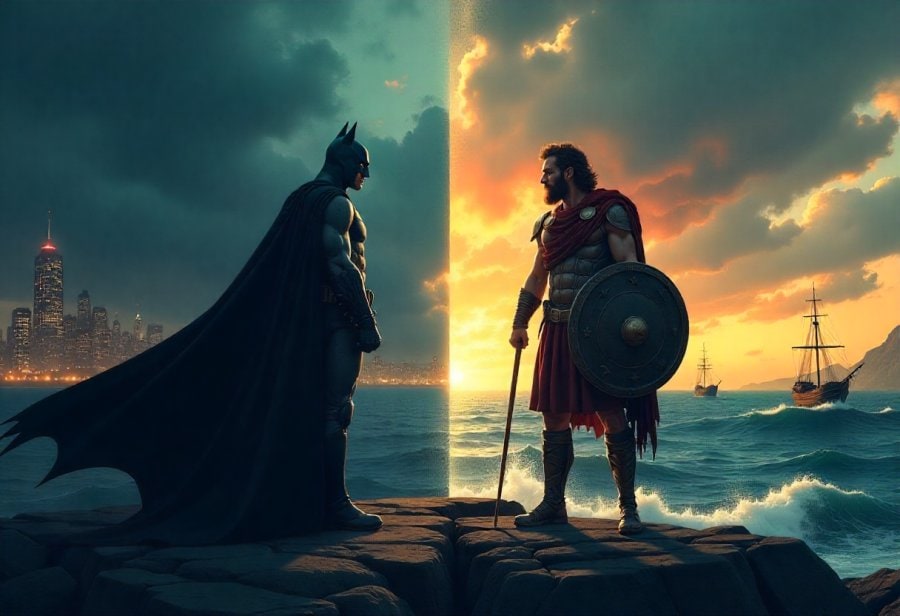
Hero archetypes like Odysseus and Batman serve as powerful mirrors of the societies that birthed them. They embody the values, fears, and hopes of their respective eras, revealing how cultural priorities shape the stories we tell about heroism. Odysseus’s cleverness and resilience reflect ancient Greek admiration for wit and endurance, virtues that helped their civilization navigate divine chaos and mortal dangers. In contrast, Batman’s dark, morally complex persona echoes modern anxieties about urban crime, corruption, and societal decay. His vigilante role symbolizes hope—that even in a fractured world, individual effort can restore order and justice.
These archetypes show how hero stories evolve alongside societal shifts. In ancient Greece, heroes like Odysseus celebrated cunning, loyalty, and moral virtue—traits that reinforced social cohesion and resilience. Today, heroes such as Batman grapple with shades of gray—moral ambiguity, internal trauma, and systemic failure—highlighting a cultural focus on psychological resilience and moral complexity. This ongoing transformation underscores that heroism is no longer solely about divine power or perfect virtue but about human perseverance, strategic thinking, and moral adaptability in facing modern challenges.
Both archetypes emphasize resilience and strategy as core qualities. Odysseus’s unwavering pursuit of home and honor exemplifies endurance paired with cleverness, while Batman’s detective skills and resourcefulness demonstrate mental agility. Their stories suggest that overcoming adversity involves not just physical strength but strategic thinking and persistence. These traits inspire us to approach our own struggles with resilience and ingenuity, recognizing that mastery over chaos—whether divine, natural, or societal—is rooted in human ambition and resilience.
At their core, these heroes reveal that heroism is a dynamic process rooted in human traits that transcend time. Odysseus’s resourcefulness and perseverance symbolize the ancient quest for stability and social order. Batman’s moral complexity and relentless drive embody modern hopes for justice amid systemic failure. Their stories remind us that heroism involves harnessing our inner strength, ingenuity, and moral resolve to confront chaos and forge a better future. They inspire us to see our own challenges as opportunities to grow, adapt, and push beyond limits.
Finally, the enduring appeal of Odysseus and Batman lies in their ability to reflect our deepest aspirations and fears. Their tales demonstrate that heroism is not static but ever-evolving, shaped by the societal landscape and human experience. Whether rooted in divine myth or contemporary fiction, these stories serve as vital tools for understanding ourselves and our societies. They challenge us to face adversity with courage, strategy, and hope—reminding us that heroism begins within and is fueled by our ongoing human ambition to overcome, improve, and inspire.