Underground street racing is more than just a pursuit of speed—it’s a brotherhood forged through loyalty, rebellion, and shared passion. From clandestine origins in quiet streets and vacant lots, this culture has evolved into organized crews bonded by rituals, custom modifications, and mutual trust. Despite external threats like law enforcement and urban development, racers adapt using encrypted communication and hidden locations, maintaining a resilient community rooted in acts of sacrifice and support. As technology advances, electric vehicles and digital tools promise to redefine the scene, blending innovation with tradition. Will this evolution preserve the raw energy and camaraderie, or will it face new challenges that threaten its clandestine vitality? One thing remains certain: underground racing embodies a spirit of defiance and kinship that continues to thrive in the shadows, fueled by a passion that no obstacle can extinguish.
Discover the Raw Energy and Rebellion of Underground Street Racing
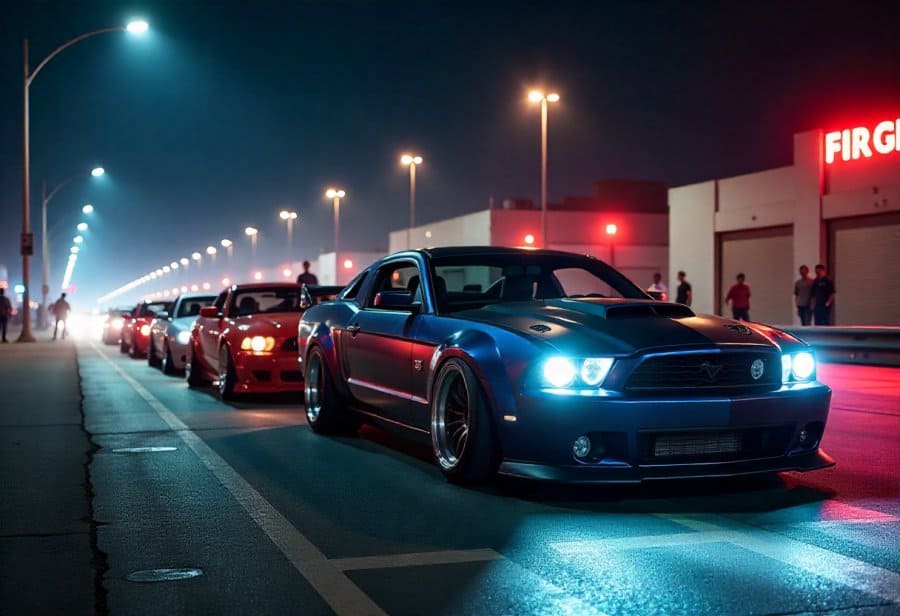
Underground street racing is a scene fueled by raw energy and a sense of rebellion that’s hard to ignore. It’s where enthusiasts gather outside the glare of official circuits—on city streets, vacant lots, or abandoned areas—just to test their skills and push their cars to the limit. Unlike mainstream motorsports, this world thrives in secrecy and spontaneity, driven by a shared love for speed and the thrill of danger. Even with the inherent risks, many participants find a sense of belonging here that’s tough to find elsewhere, with crews acting like families bonded by loyalty and shared experiences.
This culture isn’t just about racing; it’s about community and identity. Drivers see their crews as more than just friends—they’re like brothers and sisters, supporting each other through wins and setbacks alike. The roots of underground racing stretch back decades, born as a form of defiance against the rigid rules of traditional motorsports. Early racers would turn city streets into makeshift tracks after hours, creating a subculture built on rebellion, creativity, and a desire to stand apart from mainstream racing scenes.
Over time, this underground scene evolved into organized crews, each developing their own rituals, codes, and symbols of loyalty. Car modifications became a language of belonging—each style or upgrade a badge of pride and identity. From turbocharged engines to custom paint jobs, these upgrades weren’t just about performance but also about expressing individual pride and crew allegiance. Tuning and customizing cars became a way for racers to showcase their craftsmanship and reinforce their bonds, turning machines into symbols of brotherhood.
Media, movies, and social platforms have played a significant role in shaping how street racing is viewed. Films like the Fast and Furious series glamorized the scene, portraying it as a world of daring stunts and unbreakable loyalty. Music genres such as hip-hop celebrate themes of rebellion and triumph, while social media spreads stories of crews and races across the globe. These influences have made underground racing seem both exciting and accessible, even as it remains largely hidden from public view.
The significance of underground street racing extends beyond the adrenaline rush. For many, it’s a way to carve out their own space—an outlet for self-expression, technical skill, and camaraderie. Each race becomes more than just a competition; it’s a statement of independence and unity. Despite facing ongoing challenges from law enforcement and urban development, the scene’s resilience lies in its ability to adapt and thrive—fueling a sense of kinship that keeps its flame alive in the shadows of the city.
Tracing the Roots and Deep Bonds of Street Racing Brotherhood
The story of street racing brotherhood is really a story of how a loosely connected group of enthusiasts grew into tight-knit communities bonded by loyalty and shared experiences. It all began with spontaneous gatherings—late-night races organized in quiet backstreets or deserted parking lots—driven more by rebellion than any formal rules. These early moments were about pushing cars—and limits—in secret, fueled by a thrill that couldn’t be matched within the confines of traditional racing.
As these impromptu runs became more frequent, some racers naturally formed alliances or crews. These groups weren’t just about racing; they became like families. They developed rituals, codes, and traditions—secret handshakes, specific cheers, or shared celebrations—that created a sense of belonging beyond the cars themselves. Loyalty quickly became the foundation of these crews, with trust and mutual support defining their relationships.
The roots of street racing brotherhood stretch back decades. After World War II, a new wave of young car enthusiasts emerged in cities, turning everyday streets into unofficial tracks. In the 1960s and 70s, small crews formed out of a shared love for speed and customization. Operating in secrecy, they met in quiet parking lots or deserted streets, transforming routine drives into competitive clashes. Over time, their bonds deepened, rooted in rebellion, camaraderie, and pride in their craft.
Modifications to cars played a big role in strengthening these bonds. Tuning and customizing became more than just performance upgrades—they became symbols of loyalty and identity. Signature styles, like turbo setups or unique paint jobs, served as visual markers of belonging. Sharing tips and helping each other upgrade cars turned technical skills into acts of loyalty, reinforcing the sense that this was more than just a hobby—it was a shared way of life.
Media and pop culture, especially films like the Fast and Furious series, helped shape how the scene was perceived. They glamorized underground racing as a symbol of rebellion and brotherhood, inspiring new generations to join the culture. Music genres such as hip-hop celebrated themes of loyalty and success, amplifying the scene’s core values. Social media then spread stories and legends of crews and races worldwide, turning local groups into global icons.
Over the years, organized crews emerged, bringing structure and tradition to what was once purely spontaneous. Races, rivalries, and police crackdowns became defining moments that tested loyalty and resilience. These challenges only strengthened bonds, as crews rallied together to defend their turf and reputation. Each obstacle reinforced the importance of brotherhood, trust, and shared identity—values that continue to shape the scene today.
Modern Underground Racing: Structure, Loyalty, and Survival
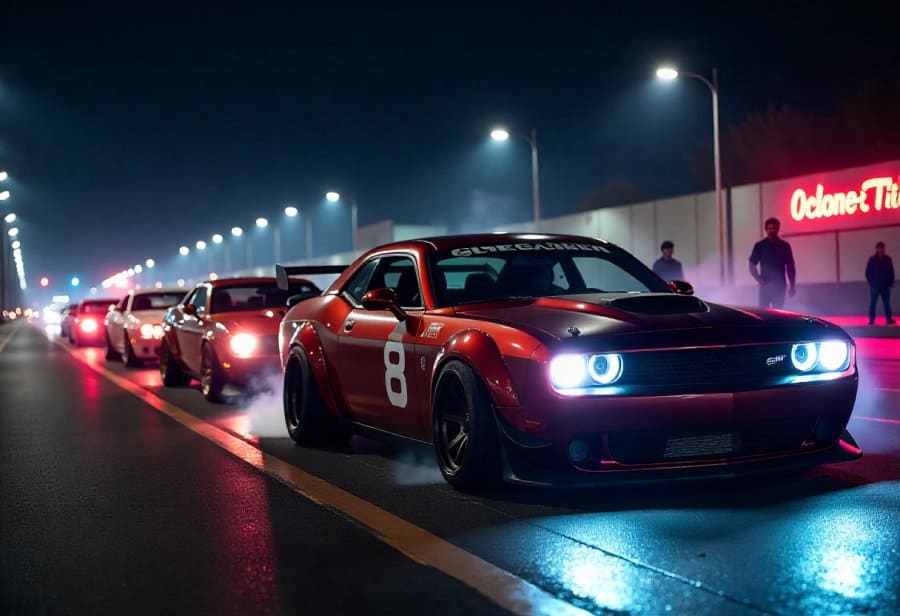
Today, underground street racing is more organized and connected than ever, even while it still thrives in secrecy. Racers depend heavily on social media platforms and encrypted messaging apps to share rumors, plan races, and coordinate locations. This digital backbone allows crews to stay ahead of law enforcement and urban development, helping the scene adapt to an increasingly regulated cityscape. It also makes it easier for experienced racers to connect and organize events quickly, keeping the adrenaline flowing despite the risks.
Within these crews, a clear hierarchy often takes shape. Veteran racers lead, guiding newcomers and upholding traditions. Respect is earned through demonstrated skill, loyalty, and support, creating a sense of order amid the chaos. This structure ensures mutual accountability, even in secrecy, and everyone understands their role in the community. It fosters trust, which is essential when operating in a clandestine environment where exposure could mean the end of the scene.
Loyalty remains at the core of every race. Racers go to great lengths to support each other—covering for teammates during police raids, sharing insider information about safe spots, or helping repair cars after a run. These bonds turn street races into shared experiences that deepen over time, transforming the scene from individual pursuits into a tight-knit family. Acts of loyalty like these reinforce the sense that they’re part of something bigger than just racing—they’re part of a brotherhood built on trust and mutual support.
Night racing continues to be the preferred setting, not only to avoid law enforcement but because darkness fosters a sense of intimacy among racers. In the shadows, reliance on instincts and teamwork becomes essential. Crews gather in late hours, sharing rituals, traditions, and silent signals that strengthen their bonds. These moments create a sense of belonging that transcends the thrill of speed, turning the race into an act of collective brotherhood.
Cars are more than machines—they’re symbols of identity and loyalty. Many racers invest heavily in modifications like turbo kits, custom paint, and body kits to reflect their style and crew allegiance. These visual markers serve as badges of pride, signaling craftsmanship and shared pride. Helping each other tune and upgrade cars isn’t just technical work; it’s an act of loyalty that cements their bonds and reinforces their community.
Respecting unspoken rules and secrets is vital for maintaining cohesion. Race locations are carefully guarded, and revealing spots can fracture trust and threaten the scene’s survival. Rituals such as celebrating wins with specific gestures or welcoming new members with shared traditions help preserve a common language within the community. These customs keep the scene tight, even under increasing scrutiny from authorities.
Despite constant pressures from law enforcement and urban growth, underground street racing endures through continuous adaptation. Racers develop new methods—using hidden locations, encrypted communication, and innovative techniques—to stay a step ahead. This resilience relies on collective loyalty, tech savvy, and deep-rooted traditions, ensuring the scene’s vitality. As long as the brotherhood remains committed, underground racing will continue to thrive in the shadows, driven by a passion that no obstacle can completely extinguish.
Real Stories of Loyalty, Support, and Brotherhood in the Scene
Many who are part of underground street racing see it as more than just a pursuit of speed; it’s a community built on trust, loyalty, and shared experiences that go beyond the cars themselves. Take Marcus, for example. He recalls a night when his engine blew just before a big race, with police lights flickering nearby. Instead of leaving him stranded, his crew pooled resources, helped with repairs, and offered moral support. Moments like these highlight that, in this world, loyalty isn’t just a word — it’s a way of life.
Stories like Marcus’s are common among racers. Marco and his crew have been racing together for over a decade. When Marco’s car unexpectedly broke down before a crucial race, his teammates didn’t hesitate. They shared tools, expertise, and encouragement, turning a mechanical setback into a testament to their bond. These acts of support aren’t isolated; they weave a fabric of trust that keeps the scene tight-knit, even amid external threats.
Loyalty shows itself in many ways, from covering for teammates during police raids to helping repair damaged cars after a race. Sharing insider information about safe spots or routes becomes a badge of trust passed down through crews. This mutual support deepens bonds and transforms individual efforts into a collective identity rooted in commitment. It’s about more than just racing — it’s about standing together through thick and thin.
Night races hold a special place in this culture. Darkness creates an environment where reliance on instincts and teamwork is vital. Racers depend on silent signals, rituals, and shared traditions that have been passed down, reinforcing their sense of brotherhood. These late-night gatherings are more than adrenaline-fueled contests; they’re moments of connection where trust is forged in the quiet hours, strengthening the community.
Cars symbolize loyalty and identity. Many racers invest heavily in modifications like turbo kits, custom paints, and body kits, turning their vehicles into visual markers of pride and allegiance. Helping each other tune, upgrade, and troubleshoot isn’t just technical work — it’s an act of loyalty that cements relationships. These shared efforts turn machines into symbols of brotherhood, reinforcing the scene’s core values.
Respecting unspoken rules and secrets is crucial for maintaining cohesion. Race locations are carefully guarded, and revealing spots can fracture trust and threaten the community’s survival. Rituals like celebrating wins with specific gestures or welcoming newcomers through shared customs help preserve a common language that keeps the scene unified, even under mounting external pressures.
At its heart, underground racing thrives on acts of sacrifice and mutual trust. Whether covering for each other during risky police stings or pooling resources after a crash, these moments define the culture. They turn individual pursuits into a shared journey, a brotherhood that extends beyond the thrill of the race into lifelong bonds. This kinship fuels resilience and keeps the scene alive, even in the face of adversity, proving that for many, it’s about family in motion.
The Future of Underground Street Racing: Innovation, Challenges, and Resilience
Looking ahead, the future of underground street racing will be shaped by both technological innovation and shifting social dynamics. As digital tools like social media platforms and encrypted messaging apps continue to evolve, racers will find new ways to organize, communicate, and build their community. However, increased connectivity also raises the stakes, making it harder to stay hidden from law enforcement. To stay ahead, racers will need to get more inventive with their secrecy—using private networks, coded language, and even more discreet communication methods—ensuring the scene remains alive despite mounting risks.
Electric vehicles are beginning to make their mark on the scene, offering a quieter, more discreet alternative to traditional combustion engines. With lower noise levels and emissions, electric powertrains could redefine what underground racing looks like, appealing to a new generation that values sustainability alongside speed. This shift opens opportunities for creative modifications and stealthier performances, blending rebellious attitude with eco-consciousness. While it might seem to move away from the raw roar of classic engines, electric racing promises to keep the spirit of innovation and defiance alive.
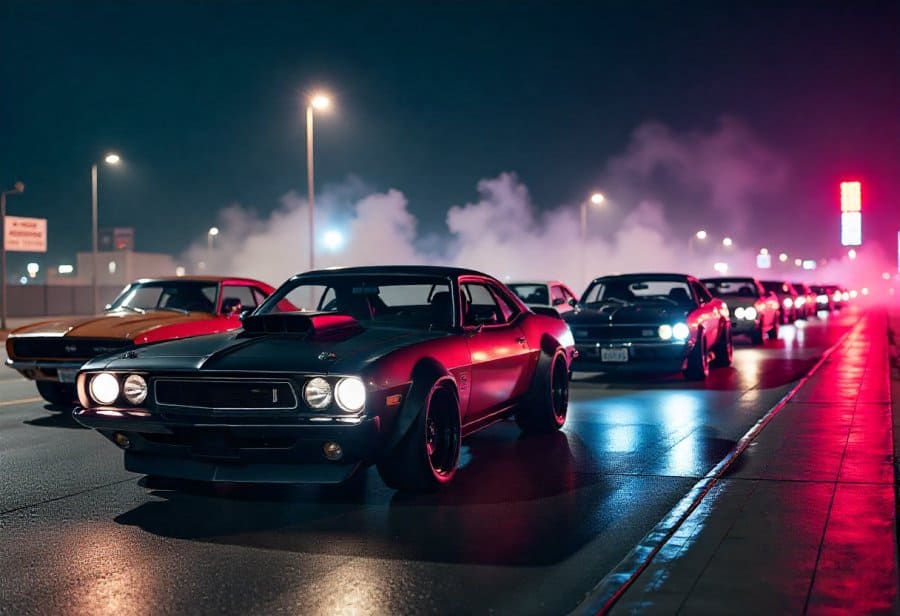
Urban development and stricter law enforcement will likely push races further into hidden locations, turning underground racing into a game of hide-and-seek. Racers will rely heavily on their local knowledge—secret spots, quick escape routes, and reliable backup plans—to continue their tradition. This ongoing cat-and-mouse dynamic will deepen bonds within crews, fostering even greater loyalty and trust. The need to adapt quickly to new restrictions will strengthen the sense that this scene is less about the cars and more about a resilient brotherhood committed to keeping their culture alive.
Some see a possible evolution toward more organized and safer events that still capture the energy and camaraderie of traditional street racing. Promoters might develop controlled, semi-legal races that provide a safer outlet without losing the essence of competition and brotherhood. Building bridges with authorities and emphasizing responsible participation could help legitimize parts of the scene, making it more sustainable while preserving its rebellious core. This approach could help attract new members and ensure the scene’s longevity in a changing world.
As technology advances, so will the skills and tactics of underground racers. From smarter tuning techniques to innovative modifications, the scene will continuously push boundaries. The challenge will be balancing tradition and innovation—keeping the raw energy and loyalty that define the brotherhood while embracing new tools. Each generation will adapt, but the core values of trust, loyalty, and shared passion will remain the foundation that keeps the scene vibrant and resilient.
Despite the hurdles ahead, the spirit of underground street racing is unlikely to fade. Its strength lies in a community built on acts of loyalty, sacrifice, and mutual support. Racers will continue to find ways to adapt—using hidden locations, encrypted communications, and creative techniques—to preserve their culture. Their collective resilience ensures that even as external pressures grow, the scene persists in the shadows, fueled by a passionate brotherhood that refuses to be extinguished.
Ultimately, underground racing isn’t just about speed—it’s about kinship and defiance. The bonds forged in the heat of competition and the shared risks create a brotherhood that’s as enduring as the engines they modify. As long as the community stands united, adapting and innovating, the high-octane spirit of underground street racing will continue to thrive, driven by the relentless passion of those who see it as more than just a pastime—it’s a way of life.