The Dodge Charger stands as an enduring icon of American muscle, embodying raw power, rebellious spirit, and unmatched road presence since its debut in the late 1960s. From the iconic 1969 Charger R/T to modern high-performance variants like the SRT Hellcat, each iteration reflects a relentless pursuit of speed and attitude. Its aggressive design, roaring engines, and cultural prominence in movies and music have cemented its legendary status. Yet, as automotive trends shift toward electrification, the question arises: can the Charger’s primal spirit survive in a future of hybrid and electric powertrains? This legacy of defiance and power continues to inspire, blending timeless aesthetics with innovative technology. Will the Charger’s roar persist into a new era, or will its rebellious soul adapt to silent, electric muscle? One thing remains certain: the Charger’s story is far from over, and its impact on American automotive culture remains indelible.
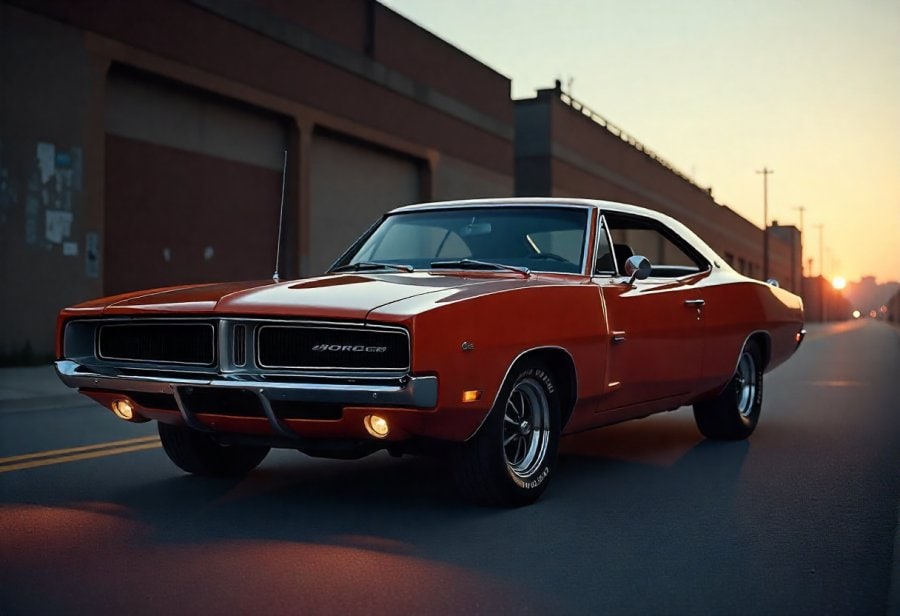
The Dodge Charger: An Icon of American Muscle and Rebellion
The Dodge Charger isn’t just a car; it’s a symbol of American muscle and rebellion. Since its debut in the late 1960s, the Charger has captured the imagination of car enthusiasts and casual drivers alike. Its bold design and formidable performance set it apart from many vehicles on the road, establishing it as an icon of raw power and street presence. Over the decades, it has evolved from a stylish muscle car into a modern powerhouse, all while staying true to its rebellious roots. The Charger’s significance isn’t just in its engineering; it’s in what it represents—a celebration of American freedom, speed, and defiance.
From the very beginning, the Charger was designed to stand out. Its aggressive lines, wide stance, and distinctive styling made it instantly recognizable. Built for those who wanted to make a statement, not just get from point A to B, it became a symbol of daring and individuality. The roaring engine sounds of the Charger have become a rallying cry for street racers and thrill-seekers, embodying a primal instinct to push limits and embrace speed. This attitude has cemented its place as more than a car—it’s a cultural icon that continues to inspire.
The Charger’s journey is deeply intertwined with the history of American muscle cars. Its roots trace back to the late 1960s, a period when performance and bold design defined the genre. Early models, especially the 1969 Charger R/T with its signature split grille and powerful HEMI engine, set a standard for muscle cars that still influences design today. Despite periods of decline due to tightening regulations, the Charger’s rebellious spirit persisted, and it experienced a remarkable revival in the late 2000s. Modern versions, like the high-performance SRT models, blend contemporary engineering with classic muscle car appeal, ensuring it remains relevant and revered.
Designers and engineers played crucial roles in shaping the Charger’s legendary status. Visionaries like Carroll Shelby pushed for engines that delivered maximum primal road power, while designers like Carl Cameron crafted its sleek, aggressive silhouette. Engineers focused on optimizing aerodynamics and handling, ensuring the Charger could dominate street and strip alike. This fusion of form and function created a vehicle that looks fierce and performs even better, reinforcing its reputation as a true American muscle icon. Today, the Charger continues to embody that perfect mix of attitude, power, and style, making it a lasting symbol of rebellion on wheels.
Tracing the Roots and Evolution of the Dodge Charger
The Dodge Charger’s story begins in the late 1960s, during a time when muscle cars were redefining American automotive culture. Introduced in 1966, the Charger was Dodge’s bold answer to the rising demand for high-performance, stylish vehicles. Its design immediately set it apart—long hood, sleek fastback roofline, and a stance so wide it seemed built for dominance. Under the hood, legendary engines like the HEMI made it a street racing icon, blending raw power with eye-catching looks. This combination of aggressive styling and performance quickly captivated enthusiasts seeking more than just transportation—they craved a statement.
As the years progressed, each new generation of the Charger pushed boundaries further. The 1969 Charger R/T, with its signature split grille and muscle car attitude, became an instant classic. Its powerful engines and sleek profile made it a favorite among street racers and collectors alike. But the oil crisis and tightening emissions standards in the 1970s slowed muscle car production, and the Charger’s performance options were scaled back. Still, its rebellious spirit endured in the hearts of fans, fueling hopes for a comeback.
That comeback arrived in the late 2000s when Chrysler reintroduced the Charger with a modern twist. Paying homage to its roots, the new model retained the muscular silhouette but incorporated contemporary technology—refined handling, modern engines, and a design that balanced nostalgia with innovation. High-performance variants like the SRT models featured supercharged HEMI engines, turning the Charger into a street racing beast once again. This reinvention proved that the Charger could evolve without losing its primal appeal, solidifying its place in the muscle car pantheon.
Designers like Carl Cameron played pivotal roles in shaping its iconic look, emphasizing sleek, aggressive proportions that still turn heads today. Engineers focused on blending style with performance, ensuring the Charger could handle both city streets and racing strips with ferocity. Inspired by legends like Carroll Shelby, they engineered engines capable of unleashing maximum primal road power, reinforcing its reputation as a true muscle car icon. Each update carried forward the legacy of relentless pursuit of speed and attitude.
Throughout its history, the Charger has stood as more than just a vehicle; it has become a symbol of rebellion and American muscle spirit. Its bold silhouette, roaring engines, and street racing reputation have cemented its legendary status. From the muscle car heyday of the late ’60s to today’s modern monsters, every iteration reflects a desire to push limits and defy conventions. The Charger’s evolution is a testament to its ability to adapt and inspire, all while staying true to its rebellious roots.
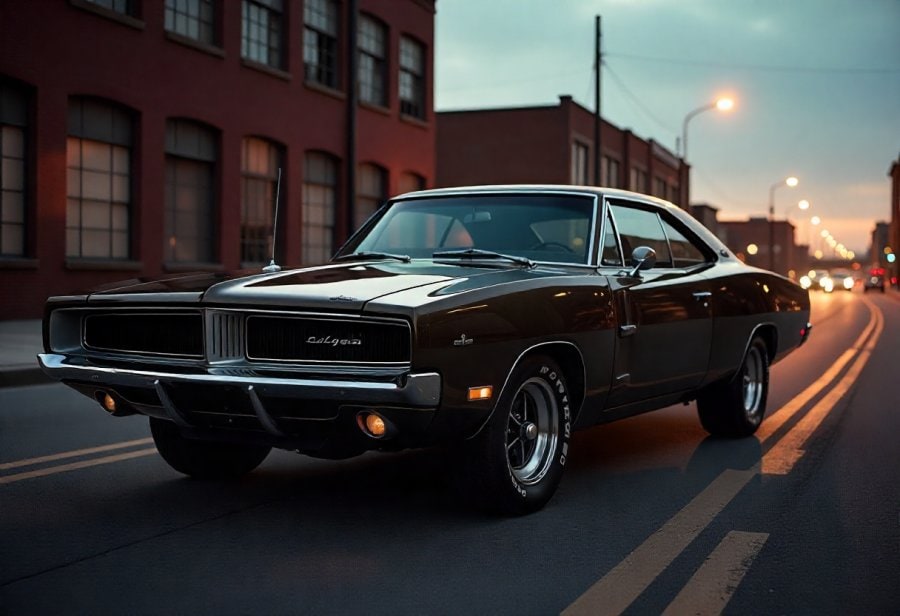
What Makes the Dodge Charger an Unmatched Muscle Car
The Dodge Charger is the embodiment of what makes a muscle car truly iconic: bold design paired with uncompromising performance. Its wide, muscular stance commands attention, with sculpted lines and aggressive features that shout power before you even turn the key. The signature four round taillights and expansive grille announce its presence, signaling that this isn’t just a vehicle—it’s a statement of attitude and dominance.
Beneath the striking exterior lies a range of high-performance engines built to unleash primal road power. Classic V8 HEMI engines roar with thunder, delivering raw acceleration and a visceral driving experience that’s hard to match. Modern versions, like the supercharged Hellcat, take this further with astonishing horsepower and torque, transforming the Charger into a street racing beast capable of tearing up both highways and race tracks.
But the Charger’s appeal goes beyond hardware. It exudes a rebellious attitude deeply rooted in its DNA. It’s a car that encourages pushing boundaries, embracing speed, and standing out from the crowd. The Charger’s commanding presence on the road reflects a confidence that’s both intimidating and inspiring—a reminder that true muscle cars are about more than just speed; they’re about making a bold statement.
Every design element is optimized for performance and function. The sleek contours aren’t just for aesthetics—they improve aerodynamics and handling at high speeds. The wide stance and low profile give drivers stability and control, whether accelerating on straightaways or carving through curves. Modern upgrades like adaptive suspensions and advanced handling systems enhance its street racing capabilities, making it as agile as it is powerful.
The mechanical heart of the Charger is equally impressive. Its legendary HEMI engines and supercharger options deliver explosive acceleration and that unmistakable muscle car roar. Electronic stability and traction control systems ensure drivers can harness all that power safely, turning raw adrenaline into controlled speed. It’s a machine designed to perform fiercely, whether on the street or during spirited drives.
Ultimately, what sets the Charger apart is its attitude—a combination of confidence, rebellion, and unfiltered power. It’s a symbol of American muscle that doesn’t just look the part; it lives it. Every drive is an invitation to embrace your primal instincts, to push limits, and to celebrate the raw joy of speed. The Dodge Charger remains a timeless icon because it captures the very essence of muscle car rebellion—fast, fierce, and undeniably unforgettable.
The Cultural and Practical Impact of the Dodge Charger
The Dodge Charger’s legendary status runs deep in American culture, resonating far beyond its impressive specs and eye-catching design. For many enthusiasts, spotting a classic Charger sparks feelings of nostalgia, rebellion, and a craving for freedom. Its unmistakable roar has become a symbol of the open road, embodying the thrill of pushing limits and embracing speed. Whether cruising through city streets or revving at car shows, the Charger commands attention and respect, inspiring a sense of daring and individuality.
Throughout its history, the Charger has played a starring role in movies, music, and street racing stories, elevating it to pop culture icon status. Films like “Bullitt” and the “Fast & Furious” franchise immortalized its aggressive silhouette and raw power, turning it into a symbol of speed and daring. Music videos and album covers often feature the Charger as a rebellious emblem, reinforcing its connection to themes of independence and youth. These portrayals keep the Charger’s image alive as more than just a car—it’s a statement of attitude.
For owners and restorers, maintaining a classic Dodge Charger becomes a labor of love, a way to preserve that primal, rebellious spirit. Many seek authentic parts and strive to keep its original design intact, often customizing their cars to enhance performance or style. Upgrading exhaust systems or modern suspensions allows owners to amplify the Charger’s primal roar and assert its rebellious personality. This passion keeps the legacy alive, passing it from generation to generation and reinforcing its cultural significance.
The Charger’s influence extends into tight-knit communities of fans and collectors. Car clubs, online forums, and restoration groups celebrate its history and share tips for preserving its iconic look and ferocious performance. These communities nurture a sense of camaraderie rooted in shared passion, storytelling, and a love for American muscle. Their dedication helps keep the rebellious spirit of the Charger thriving, inspiring newcomers to embrace its legacy.
Beyond the asphalt and pop culture, the Charger symbolizes the American love of freedom and individual expression. Its bold silhouette and roaring engine are visual and sonic representations of breaking free from conformity. Whether in movies, music, or personal stories, the Charger encourages a mindset of daring and non-conformity. It reminds us that true power and rebellion come from unleashing our instincts and passions.
Even as automotive trends shift toward greener technologies, the Charger’s cultural impact endures. Its legacy as a symbol of raw power and defiance remains strong, inspiring new generations who see it as more than a vehicle—it’s a reflection of independence. The Charger’s roar on the street and in popular culture continues to echo, ensuring its place in the collective imagination as an icon of primal road power and rebellious spirit.
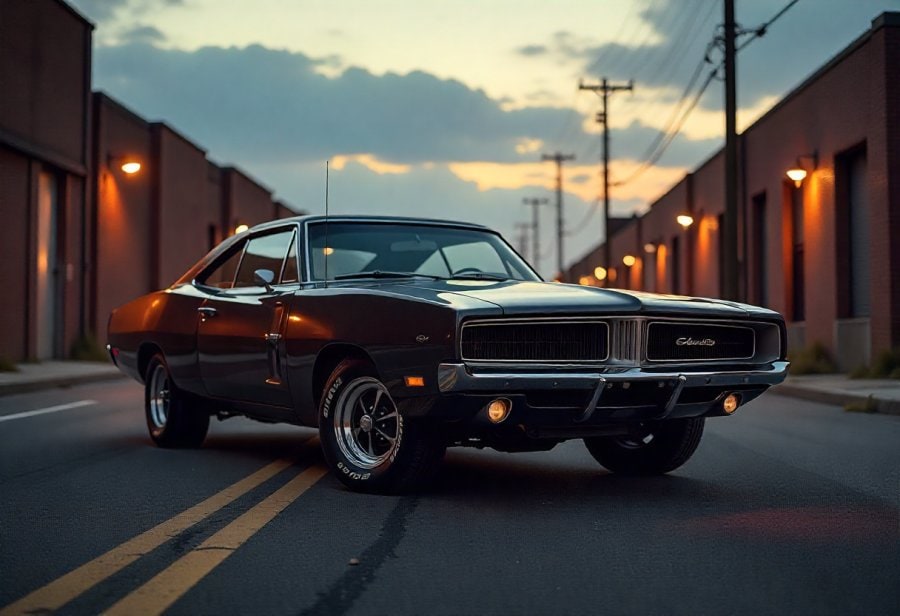
Looking Ahead: The Future of the Dodge Charger and Its Enduring Legacy
The Dodge Charger’s impact on American muscle cars is impossible to overlook. For decades, it has stood as a symbol of raw power, rebellion, and the unbreakable spirit of freedom that defines the genre. Its roaring engines and aggressive design continue to inspire both enthusiasts and casual fans, cementing its place as a true icon of primal road power. Even as the automotive industry shifts toward electrification and sustainability, the Charger’s legacy remains resilient, reminding us that performance and attitude are timeless qualities that transcend trends.
Looking toward the future, the challenge lies in preserving that rebellious core while embracing modern innovation. As regulations tighten and electric technology advances, traditional combustion engines may give way to hybrid or fully electric powertrains. Yet, the essence of the Charger—the primal road power and commanding presence—can evolve without losing its fierce identity. Manufacturers are exploring electric muscle cars that aim to deliver instant torque and thunderous performance, echoing the iconic roar of the original. This evolution will test how well the Charger’s legendary attitude can adapt to a new era, ensuring its spirit endures.
Despite these technological shifts, the core appeal of the Charger is unlikely to fade. It’s more than a vehicle; it’s a cultural phenomenon rooted in independence, rebellion, and passion. Future models may blend sleek, modern aesthetics with cutting-edge performance, but the focus will remain on delivering exhilarating speed and the visceral experience of primal power. The challenge will be to maintain that raw, immediate connection—its thunderous roar, its aggressive stance—that made it a street racing beast and a symbol of American muscle.
Envisioning the Charger’s next chapter involves merging vintage aesthetics with innovative technology. Imagine electric motors providing silent yet instant torque, paired with the timeless silhouette that makes the Charger instantly recognizable. This fusion of past and future could redefine what primal road power means in the 21st century, keeping the spirit of rebellion alive in a new form. As it evolves, the Charger will continue to inspire passion, reminding us that true muscle cars aren’t just about horsepower—they’re about unleashing raw instinct and bold attitude.
In the end, the Charger’s story isn’t finished; it’s merely entering a new phase. Its roar on the street and in pop culture will likely echo for generations, a testament to its enduring appeal. No matter how the industry changes, the essence of the Dodge Charger—the embodiment of American muscle and rebellious spirit—will remain timeless. It stands as a reminder that sometimes, the purest form of driving is about passion, power, and breaking free from conformity. The legacy of the Charger is alive and well, ready to roar into the future.