Behind every safe, efficient home is the skilled work of electricians who turn chaos into reliable power systems. But how do they master the delicate balance of technical precision and safety while navigating complex wiring projects? This exploration reveals their meticulous planning, adherence to strict standards like the NEC, and mastery of tools that transform bare studs into life-sustaining circuits. As homes evolve with smart systems, renewable energy, and advanced safety devices, electricians must continuously adapt, acquiring new skills and certifications. Their work isn’t just about connecting wires—it’s about safeguarding families, preventing hazards, and preparing for a future where digital and electrical networks intertwine seamlessly. What does it take to keep our homes powered, safe, and ready for tomorrow’s innovations? Discover the expertise, ongoing training, and commitment that make electricians the unsung heroes of modern living.
Chapter Overview
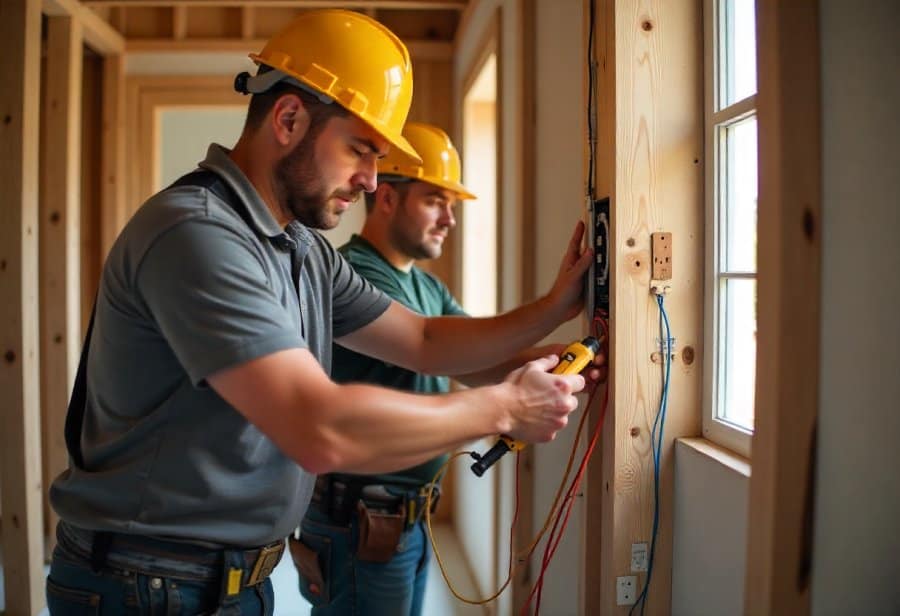
Harnessing Power Safely: The Vital Role of Electricians in Modern Life
Electricity fuels nearly every aspect of modern life, from the moment we wake up to the devices we depend on throughout the day. Behind this seamless flow of power are electricians, the professionals who turn a tangled mess of wires into safe, reliable systems. Their work isn’t just about connecting circuits; it’s about creating a secure environment where hazards like shocks, fires, or outages are minimized.
Electricians are the guardians of electrical safety. They follow strict standards, such as the National Electrical Code (NEC), which provides clear rules for wiring methods, grounding, and protective devices. Adhering to these guidelines isn’t just about legal compliance—it’s about protecting people and property from potential dangers. This requires meticulous planning, careful installation, and thorough testing at every stage of a project.
Mastering residential wiring demands a deep understanding of electrical theories, safety protocols, and hands-on skills. Electricians read blueprints, select proper materials, and use specialized tools like voltage testers and fish tapes to navigate tight spaces and complex layouts. Precision is key—every connection must be secure, and every wire properly routed—to prevent future hazards and ensure long-term reliability.
Troubleshooting and repairs are integral parts of an electrician’s job. When issues such as flickering lights or outages occur, electricians systematically inspect circuits, test connections, and identify faults. They rely on diagnostic tools to locate problems efficiently, enabling quick repairs that restore safety and functionality while minimizing disruption.
Safety is woven into every step of their work. Electricians verify connections, test circuits before restoring power, and document their work for future reference. They also communicate clearly with homeowners about what was done and why, fostering trust and awareness. This thorough approach not only keeps homes safe but also simplifies future upgrades and maintenance.
Navigating older homes or retrofit projects adds complexity to residential wiring. Outdated wiring may need replacing, requiring electricians to carefully remove old cables and install modern, insulated wiring. They plan routes meticulously, working within tight spaces and ensuring every modification complies with current safety standards—always prioritizing durability and safety.
Staying current with evolving standards and emerging technologies is essential. Continuous training helps electricians handle new safety devices, smart home systems, and renewable energy integrations. This ongoing learning ensures they remain capable of managing complex systems, ultimately safeguarding homes and their inhabitants in an ever-changing landscape.
Mastering Standards and Troubleshooting in Electrical Systems
Electricians work within a strict framework of safety standards and regulations that guide every aspect of their work. The National Electrical Code (NEC) in the U.S., along with local building codes, set clear rules for wiring methods, grounding techniques, and safety devices. Following these standards isn’t just about legal compliance; it’s about ensuring homes are safe from shocks, fires, and equipment failures. Electricians routinely consult these codes before starting a project and continuously verify their work against them, making safety a core part of every step.
Troubleshooting electrical systems requires a systematic approach. Electricians start by gathering details about the issue—whether it’s flickering lights or a tripped breaker—and shut off power to prevent accidents. They then use specialized tools like voltage testers and multimeters to carefully inspect circuits, searching for loose connections, damaged wires, or overloaded circuits. This step-by-step process helps them pinpoint faults efficiently, reducing downtime and preventing further damage.
Once a fault is identified, electricians repair or replace the faulty components, always ensuring their work aligns with safety standards. They double-check connections, verify proper grounding, and thoroughly test circuits before restoring power. This disciplined process not only fixes the problem but also minimizes the risk of future failures or hazards caused by improper repairs.
Documentation and communication are vital during troubleshooting and repairs. Electricians keep detailed records of inspections, fixes, and upgrades, which help in future maintenance. Explaining the nature of the problem and the steps taken reassures homeowners and fosters trust. Clear communication is especially important when dealing with complex or retrofit projects, where existing wiring might be outdated or difficult to access.
Handling complex wiring installations, such as in older homes or during renovations, presents additional challenges. Navigating tight spaces, working around outdated wiring, and ensuring compliance with current safety codes require experience and adaptability. Electricians often use specialized tools like fish tapes and flexible conduits to maneuver through difficult areas, always prioritizing safety and code adherence to prevent hazards and ensure long-term reliability.
Expert Residential Electrical Solutions in Greater Toronto Area
North York Electricians (NYE) offers top-tier Professional electrical installation and residential electricians serving homeowners across the Greater Toronto Area. Specializing in residential wiring and installation, NYE provides comprehensive home wiring service along with lighting design and upgrades to enhance your property’s ambiance and efficiency. From installing smart switches, thermostats, and security systems to configuring home automation, their experts ensure your home is both modern and secure. They also focus on eco-friendly solutions by upgrading to LED lighting, energy-saving panels, and sustainable electrical designs. For reliable electrical repairs and troubleshooting, contact North York Electricians at (416) 508-0206 or visit electriciansnorthyork.com today.
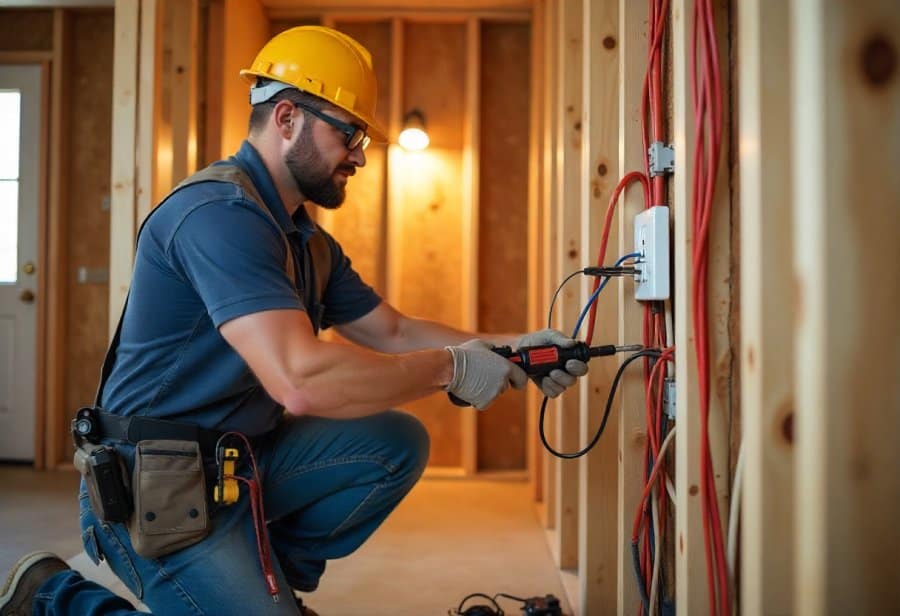
Climbing the Ladder: Training, Certification, and Lifelong Learning for Electricians
Becoming a skilled electrician involves more than just on-the-job experience; it starts with a solid educational foundation. Technical training programs and trade schools teach aspiring electricians the basics of electrical theory, safety standards, and practical skills. These courses provide the essential knowledge needed to understand how electrical systems operate, setting the stage for more advanced learning and hands-on practice.
Apprenticeships are a critical step in developing competence. Usually lasting several years, they combine classroom instruction with supervised work alongside experienced electricians. During this time, apprentices learn how to install wiring, troubleshoot problems, and interpret blueprints. This real-world experience builds confidence and ensures they’re prepared to handle the complexities of residential wiring safely and effectively.
Once their apprenticeship is complete, electricians must pass licensing exams to work independently. These exams assess their understanding of electrical codes, safety protocols, and technical skills. Passing them confirms their ability to manage residential wiring projects responsibly. Many regions also require ongoing education for license renewal, encouraging electricians to stay current with changes in safety standards, new technologies, and industry best practices.
Continual professional development is vital in this field. As systems evolve—incorporating smart home automation, renewable energy, and advanced safety devices—electricians need to update their skills regularly. Attending workshops, certifications, and specialized courses allows them to stay ahead of emerging trends, ensuring their work remains safe, compliant, and efficient.
Many electricians pursue additional certifications in areas like green energy, automation, or high-voltage systems. These credentials open doors to more complex projects and higher pay, while also reinforcing their reputation for quality work. Staying engaged with industry developments and continually expanding expertise helps electricians maintain high standards and adapt to the changing landscape of residential wiring.
In the end, ongoing training and certification are what keep electricians at the top of their craft. They’re not just learning new skills—they’re ensuring that every home they work on is safe, reliable, and prepared for future technologies. This commitment to professional growth is what makes them the true unsung heroes behind our safe, powered, and modern homes.
Staying current with the latest safety requirements is crucial for maintaining high standards in residential wiring. Electricians often pursue various training and certification pathways for professional electricians to expand their expertise and ensure compliance with industry best practices. For those looking to deepen their knowledge and advance their careers, exploring comprehensive training options can be highly beneficial, as detailed on the training and certification pathways for professional electricians.
Everyday Wiring Wonders: Applying Electrical Systems in Homes
Electrical wiring in homes forms the backbone of daily life, powering everything from lights and outlets to high-demand appliances. When electricians install or upgrade these systems, their primary goal is to create a safe, efficient network that meets the household’s needs without risking overloads or shorts. Properly planned wiring prevents fires, reduces outages, and ensures long-term reliability, especially in areas like kitchens and laundry rooms where high-power devices are common and require dedicated circuits.
Everyday wiring involves more than just running cables. Electricians carefully select the right gauge of wire for each circuit, ensuring connections are tight and secure to prevent loose contacts that could cause sparks or failures. They position outlets and switches thoughtfully, balancing accessibility with safety, and ensure fixtures are correctly grounded. Attention to detail during installation helps prevent hazards while optimizing the functionality of each space.
Lighting is a major part of residential wiring. Electricians wire ceiling fixtures, recessed lights, and smart controls, ensuring they are grounded properly and respond smoothly to user commands. Proper wiring not only guarantees safe operation but also enhances the aesthetic appeal and usability of a room. Dimmers and switches are wired to prevent overheating and ensure consistent performance over time.
Retrofitting older homes presents unique challenges. Outdated wiring may need replacing entirely to meet current safety standards. Electricians carefully remove old cables and install modern, insulated wiring, often routing through tight spaces or behind walls. They use specialized tools like fish tapes and flexible conduits to navigate these tricky areas, all while maintaining strict adherence to safety codes and ensuring the system’s durability.
Tools such as wire strippers, voltage testers, and fish tapes make everyday wiring work safer and more efficient. Electricians test circuits thoroughly before restoring power, confirming that all connections are secure and functioning correctly. This meticulous process helps prevent future issues and ensures the system operates reliably for years to come.
Throughout each project, safety and compliance are the top priorities. Electricians double-check their work at every stage, label circuits clearly, and document installations for future reference. This careful approach simplifies troubleshooting and upgrades later, protecting both the home’s electrical integrity and its occupants.
In today’s increasingly connected homes, wiring is evolving beyond simple power delivery. Electricians now integrate data and control networks, supporting smart home systems that manage lighting, security, climate, and more. This shift requires a deeper understanding of both electrical and digital wiring, emphasizing the importance of precise, adaptable wiring practices.
By focusing on safety, functionality, and future-proofing, electricians ensure that homes operate smoothly and securely. Their skilled wiring sets the stage for modern living—where convenience, energy efficiency, and safety go hand in hand—making their work essential to every comfortable, well-functioning home.
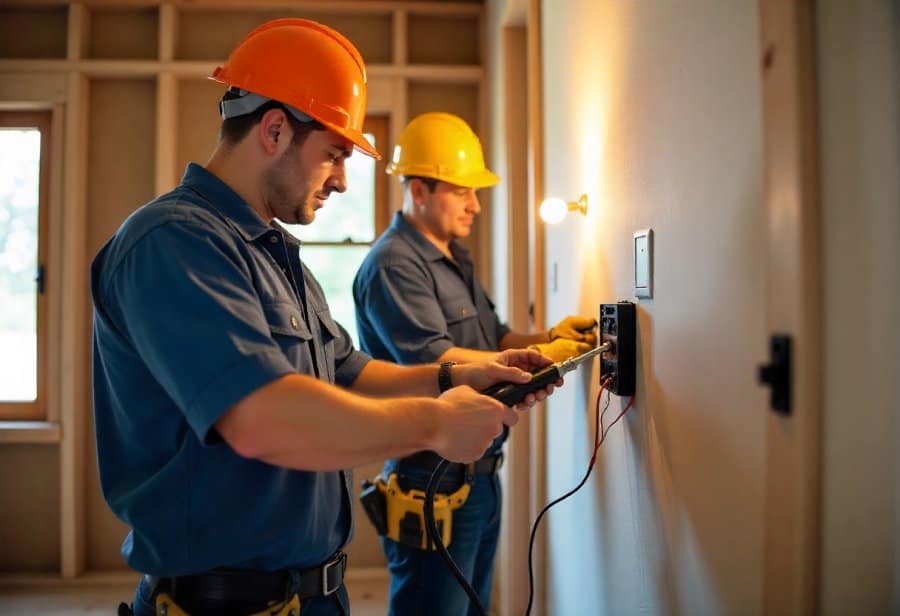
Shaping the Future: Innovations and Challenges in Residential Electrical Safety
The future of residential electrical safety and wiring is set to evolve rapidly, driven by technological innovation and changing industry standards. Smart home systems are becoming mainstream, enabling homeowners to control lighting, climate, security, and appliances remotely. These interconnected networks not only add convenience but also incorporate advanced safety features like real-time fault detection and automatic shut-offs, significantly reducing the risk of fires and shocks. Electricians will need to develop new skills to install, troubleshoot, and maintain these complex systems effectively.
Advances in circuit breaker technology, such as arc-fault and ground-fault interrupters, are now standard safety components. These devices monitor electrical currents constantly and trip instantly when abnormalities are detected, preventing many common fire hazards caused by damaged wiring or insulation failures. As these safety features become more prevalent, electricians will be increasingly tasked with ensuring proper installation, diagnosing faults, and upgrading existing systems to meet evolving standards.
The integration of renewable energy sources, especially solar panels and home battery storage, is adding another layer of complexity. Electricians must learn to safely connect these systems to traditional wiring networks, ensuring proper grounding and load management. Homes are becoming more energy-efficient and self-sufficient, demanding flexible, modular wiring solutions capable of supporting higher power demands and data transfer needs. This shift underscores the importance of adaptable wiring systems designed for future upgrades.
Eco-friendly materials and energy-efficient components are gaining popularity, influencing wiring practices. Standardized, sustainable cables and smart wiring systems will become the norm, making it easier to upgrade or modify systems as new technologies emerge. This flexibility is critical in a world where smart devices and automation are expanding rapidly, requiring wiring that can keep pace with the fast-changing landscape of home technology.
Regulations around electrical safety are expected to tighten in response to these innovations. Electricians will need to stay ahead by engaging in continuous education and training to meet new code requirements and safety standards. Those who keep pace with industry developments will be better equipped to deliver safe, compliant, and future-proof solutions, ensuring homes remain protected amid technological advances.
Finally, the rise of automation and AI-driven home systems will push wiring beyond simple power delivery. Secure data networks and digital security will become integral parts of residential wiring, blending electrical safety with cybersecurity. Electricians will play a vital role in installing and troubleshooting these integrated systems, ensuring that homes are not only powered safely but also protected from digital threats. As the industry advances, the role of electricians will increasingly involve bridging the gap between traditional wiring and smart, connected living, safeguarding the future of our homes.