Cleopatra VII is often romanticized as a seductive beauty, but her true legacy lies in her formidable intellect, diplomatic finesse, and strategic mastery. Could a ruler’s power truly be rooted in knowledge rather than charm? This portrayal reveals her as a scholar-queen, fluent in multiple languages and deeply engaged in philosophy, science, and governance. Her leadership was built on cultural literacy, tactical alliances, and a keen understanding of power dynamics, allowing her to navigate a turbulent political landscape and defend Egypt’s independence. Her alliances with Julius Caesar and Mark Antony weren’t driven by romance but calculated political moves, showcasing her brilliance at turning complex circumstances into opportunities for strength. Surrounded by Alexandria’s scholarly community and rooted in Egyptian traditions, Cleopatra employed symbolism and diplomacy to legitimize her reign. Her legacy prompts us to reconsider leadership’s true source—wisdom, resilience, and insight—and leaves us questioning whether her greatest power was indeed her mind.
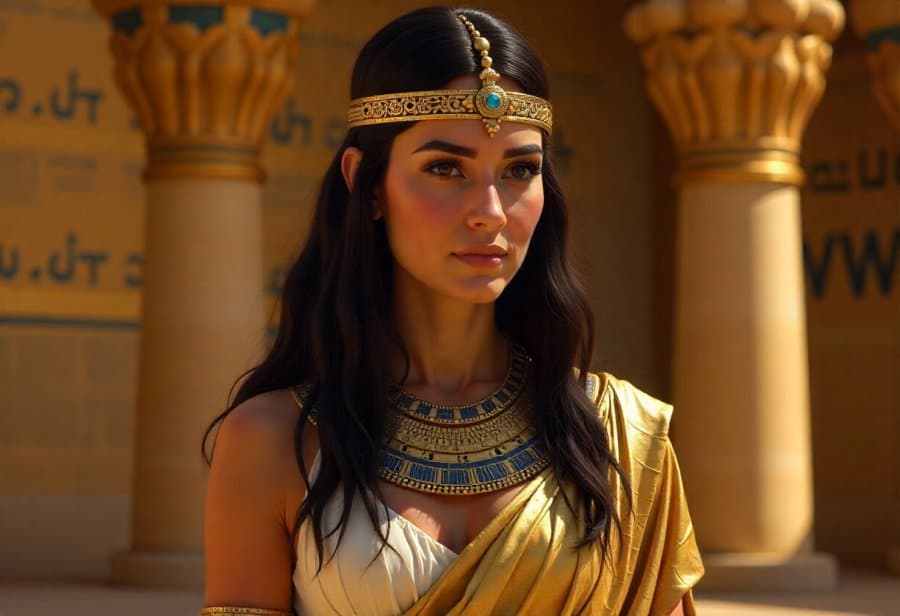
Cleopatra: A Leader of Wisdom and Strategy Beyond Glamour
Cleopatra VII is often remembered through Hollywood’s glamorous lens, but her true legacy extends far beyond her beauty and romantic entanglements. She was a highly intelligent and strategic leader, whose strength lay in her mind and diplomatic skill. Fluent in multiple languages and deeply involved in scholarly pursuits, Cleopatra was more than just a ruler—she was a woman of profound knowledge and political acumen. Her ability to navigate the complex and often dangerous world of ancient politics made her a formidable figure whose influence reached across regions and centuries.
While stories tend to focus on Cleopatra’s allure and her relationships with Rome’s most powerful men, these aspects only scratch the surface of her capabilities. She was a master strategist, using her intellect to forge alliances, manage internal factions, and maintain Egypt’s independence amid external threats. Her leadership was rooted in her sharp mind, not just her charm, and she understood that true power depended on knowledge as much as authority.
Cleopatra’s education and multilingualism set her apart from many of her contemporaries. She learned Egyptian, Greek, and other dialects, which allowed her to communicate directly with diverse groups and influence a broad spectrum of people. Her scholarly pursuits included philosophy, mathematics, rhetoric, and science—fields that fueled her strategic thinking and decision-making. This intellectual foundation gave her a distinct advantage in diplomacy and governance, empowering her to make informed choices in turbulent times.
Her ability to adapt was crucial to her survival. Facing internal unrest and the rising power of Rome, Cleopatra employed diplomacy and cunning to maintain her reign. She formed pivotal alliances with Julius Caesar and Mark Antony—partnerships driven by political calculation rather than personal affection. These relationships were key to Egypt’s sovereignty, showcasing her skill in turning complex circumstances into strategic opportunities.
By viewing Cleopatra through the lens of her intelligence and political mastery, we see a leader who prioritized strength of mind over superficial glamour. Her legacy is one of strategic brilliance, resilience, and diplomatic finesse—an enduring reminder that true leadership comes from knowledge and insight, not just appearances or romantic stories.
Roots of Power: Cleopatra’s Macedonian Greek Heritage and Egyptian Identity
Cleopatra VII’s background is deeply rooted in a complex blend of history and heritage that shaped her as a leader. She belonged to the Macedonian Greek Ptolemaic dynasty, which took control of Egypt after Alexander the Great’s empire fragmented. Her family’s rule was marked by a mix of Hellenistic traditions and native Egyptian customs, creating a unique cultural environment where foreign influence and local identity intertwined. This lineage made her a descendant of Greek rulers who established a foreign dynasty claiming divine authority, yet Cleopatra was deeply invested in Egyptian culture and often portrayed herself as a true pharaoh.
Growing up in this politically intricate landscape, Cleopatra was exposed to constant power struggles and diplomatic maneuvering. Her early education was extensive, covering philosophy, rhetoric, mathematics, and science—fields that cultivated her intellectual curiosity and strategic thinking. Fluent in Greek, Egyptian, and other dialects, she could communicate directly with diverse groups within her kingdom, giving her a diplomatic edge that few of her contemporaries possessed. This multilingual ability allowed her to forge alliances across cultural boundaries and influence court politics with finesse.
Her family’s reign was characterized by internal intrigue, with rival noble factions and regional governors vying for influence. From an early age, Cleopatra understood that maintaining her power required more than military strength; it demanded diplomacy, cultural sensitivity, and strategic alliances. Her deep understanding of Egypt’s social and political fabric became central to her leadership style, enabling her to navigate turbulent times with resilience and tact. She learned to balance tradition with innovation, knowing that cultural awareness was key to maintaining legitimacy.
Externally, Egypt faced the rising dominance of Rome, threatening its independence. Cleopatra’s ancestors had already dealt with foreign influence, but her reign marked a decisive chapter in Egypt’s struggle to sustain sovereignty. She skillfully employed diplomacy and strategic marriage alliances—most notably with Julius Caesar and later Mark Antony—to bolster her position. These alliances were less about romance and more about political necessity, aimed at protecting Egypt’s interests in a shifting geopolitical landscape.
In essence, Cleopatra’s roots in the Macedonian Greek Ptolemaic dynasty provided her with a unique blend of cultural heritage and political acumen. Her upbringing and ancestry equipped her with the knowledge, language skills, and strategic mindset necessary to lead effectively. She understood that her power depended on adaptability, communication, and forging alliances—lessons rooted in her complex heritage that she mastered to become one of history’s most remarkable rulers.
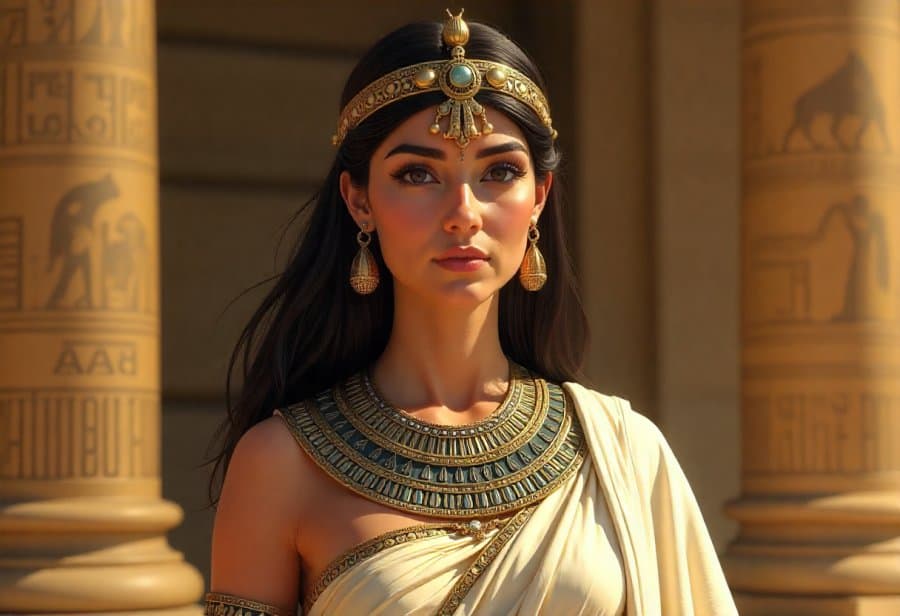
Mastermind of Diplomacy: How Cleopatra’s Intelligence Shaped Her Legacy
Cleopatra’s legacy is defined by her exceptional intelligence and mastery of political strategy, qualities that have resonated through the ages. Her ability to navigate the treacherous waters of ancient diplomacy, forge vital alliances, and preserve Egypt’s independence set her apart as a leader of remarkable insight. Today, historians recognize her not merely as a romantic figure but as a formidable thinker whose decisions shaped the course of history. Her reputation as a shrewd diplomat and strategic innovator continues to inspire debates on female leadership and political acumen, proving that strength of mind can be as influential as military might.
As a woman ruling in a predominantly male world, Cleopatra challenged societal norms and demonstrated that leadership rooted in intelligence, resilience, and strategic thinking could break barriers. Her capacity to govern effectively, manage internal factions, and outmaneuver external threats revealed a deep understanding of power dynamics. She used her knowledge of diplomacy and court politics to sustain her authority, often turning potential vulnerabilities into sources of strength. Her wit and insight made her a master at transforming complex situations into opportunities—an ability that ensured her survival and influence.
Her alliances with Julius Caesar and Mark Antony exemplify her strategic brilliance. These relationships weren’t driven by romance but by calculated political moves aimed at protecting Egypt’s sovereignty. Cleopatra’s diplomatic finesse—marked by subtle negotiations, cultural sensitivity, and psychological insight—enabled her to influence powerful men and steer her kingdom through turbulent times. She knew that turning complex circumstances into opportunities for strength was key to her resilience, and she mastered the art of turning alliances into tools for survival.
Cultural symbolism also played a crucial role in reinforcing her authority. Cleopatra employed religious motifs and traditional practices to legitimize her rule, understanding that perception often shapes reality. Her mastery of Egyptian traditions, combined with her diplomatic symbolism, allowed her to craft a compelling narrative of divine right that resonated with her subjects and allies alike. This strategic use of cultural literacy and religious symbolism became central to her influence, both at home and on the broader political stage.
Her engagement with Alexandria’s scholarly community and her dedication to learning further underscore her leadership style. Surrounded by thinkers and advisors, she drew on their knowledge to make informed decisions. Her fascination with philosophy, science, and history was not merely personal curiosity but a deliberate strategy to strengthen her influence. Cleopatra’s intellectual pursuits and cultural literacy were tools that kept her ahead of rivals and ensured her legacy as a leader who valued wisdom as much as power.
Beyond Beauty: Recognizing Cleopatra as a Scholar-Queen of Knowledge and Insight
Cleopatra’s true power went far beyond her titles or her reputation for beauty. Her leadership was rooted in an extraordinary intellect and a strategic mind that allowed her to navigate a turbulent political landscape with finesse. She understood that genuine influence came from knowledge—an asset she cultivated through rigorous education, multilingualism, and a relentless curiosity about the world. This intellectual foundation became her greatest strength, enabling her to make informed decisions and adapt swiftly to shifting circumstances.
Her mastery of languages—Egyptian, Greek, and others—was more than a communication skill; it was a strategic tool. Speaking directly to diverse audiences, she built trust and legitimacy across cultural divides. This fluency helped her negotiate alliances and manage internal factions, turning language into a powerful instrument of diplomacy. Cleopatra’s ability to connect through words gave her an edge that many of her rivals lacked, allowing her to influence both her people and foreign leaders.
Central to her leadership was her engagement with Alexandria’s renowned library and scholarly community. Surrounded by thinkers, scientists, and advisors, she drew on their collective knowledge to craft informed strategies. Her fascination with philosophy, science, and history wasn’t just personal curiosity; it was a deliberate effort to strengthen her decision-making and influence. Her intellectual pursuits kept her ahead of her enemies and enabled her to approach challenges with insight and confidence.
Cultural symbolism played a crucial role in reinforcing her authority. Cleopatra mastered the art of employing religious motifs and traditional practices to legitimize her rule. She understood that perception often shapes reality, and by aligning herself with divine and cultural symbols, she reinforced her legitimacy both within Egypt and on the international stage. This strategic use of cultural literacy and symbolism created a compelling narrative of divine right and authority that resonated deeply.
Her alliances with Julius Caesar and Mark Antony exemplify her skill in turning complex situations into opportunities for strength. These partnerships were crafted through subtle negotiations, cultural sensitivity, and psychological insight—more than just personal relationships, they were calculated political moves designed to protect Egypt’s sovereignty. Cleopatra knew that influence wasn’t just inherited; it was cultivated through careful strategy and deep understanding of power dynamics.
By viewing Cleopatra through the lens of her intellect and cultural mastery, her true power becomes clear. She was a scholar-queen whose resilience and adaptability stemmed from her curiosity, learning, and strategic application of knowledge. Her leadership reminds us that influence rooted in wisdom and insight can shape history as powerfully as armies or titles. Cleopatra’s legacy is a testament to the strength of a sharp mind in a turbulent age.
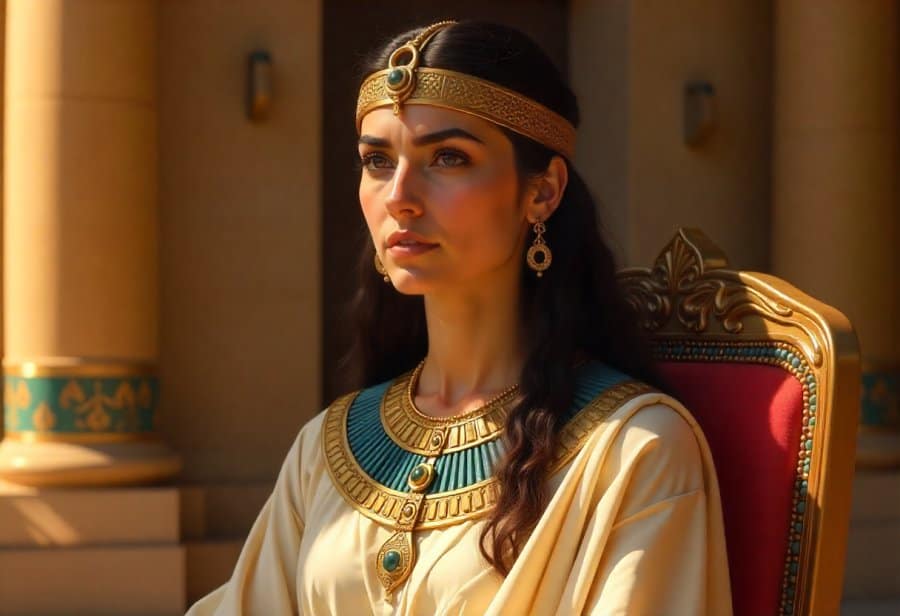
Reevaluating Cleopatra: Wisdom, Leadership, and the Power of the Mind
Cleopatra’s true legacy extends far beyond the romanticized images often portrayed in stories and movies. Recognizing her as a scholar-queen rooted in intelligence and strategic thinking shifts our focus to a different, more powerful dimension of her leadership. Her ability to navigate complex political landscapes, forge vital alliances, and sustain Egypt’s independence came from her sharp mind—not just her beauty or charm. This perspective highlights a leader who relied on wisdom, resilience, and cultural insight to shape history.
Her leadership was fundamentally built on a foundation of knowledge and curiosity. By mastering multiple languages and engaging deeply with scholarly pursuits, Cleopatra fostered trust and legitimacy across diverse groups. Her fluency in Egyptian, Greek, and other dialects was more than a skill; it was a strategic tool that allowed her to communicate directly, negotiate effectively, and influence both her people and foreign powers. This cultural literacy became a cornerstone of her influence and authority.
Surrounded by Alexandria’s renowned library and learned advisors, Cleopatra drew strength from knowledge. Her fascination with philosophy, science, and history was not mere personal interest but a deliberate strategy to enhance her decision-making and diplomatic finesse. She understood that genuine influence depended on continuous learning and critical thinking, qualities that kept her steps ahead of rivals and enemies.
Cultural symbolism and traditional motifs played a vital role in reinforcing her legitimacy. Cleopatra skillfully employed religious and cultural signs to legitimize her rule, knowing perception could be as powerful as reality. Her mastery of symbolism, combined with her understanding of Egyptian traditions, allowed her to craft a compelling narrative of divine authority that resonated deeply with her subjects and allies alike.
Her alliances with Julius Caesar and Mark Antony exemplify her strategic brilliance. These relationships weren’t driven by romance but by calculated political moves aimed at protecting Egypt’s sovereignty. Cleopatra’s subtle negotiations, cultural sensitivity, and psychological insight turned complex circumstances into opportunities for strength—ensuring her survival in a turbulent age.
Throughout her reign, Cleopatra demonstrated that influence rooted in wisdom and insight could be as formidable as military power. Her resilience and adaptability stemmed from her relentless curiosity, her pursuit of knowledge, and her ability to apply strategic thinking in every challenge. Her legacy reminds us that true leadership relies on understanding people, culture, and power—skills that remain vitally relevant today.
By viewing Cleopatra through this lens, her story becomes a testament to the power of the mind. Her leadership exemplifies how intelligence, curiosity, and strategic insight can leave a lasting impact on history. Her example encourages us to value wisdom as a core component of effective leadership, inspiring future generations to see strength not just in titles or appearances but in the depth of knowledge and resilience.