Many remember Cleopatra VII through Hollywood’s glamorous myths and romantic tales, but her true legacy lies in her formidable intellect, strategic diplomacy, and cultural mastery. Could a woman’s leadership be defined more by wit and wisdom than beauty? Cleopatra’s reign was characterized by multilingual prowess, scholarly pursuits, and shrewd alliances, enabling her to navigate a turbulent world dominated by Rome. Her ability to combine Egyptian traditions with Hellenistic influence, form vital political bonds, and patronize arts and sciences demonstrates her as a master strategist rooted in knowledge and resilience. Today, her story challenges us to reconsider leadership beyond surface appearances—highlighting that true power resides in the mind and cultural literacy. As a trailblazer for women and a symbol of diplomatic savvy, Cleopatra’s enduring influence is a testament to the lasting strength of intelligence and adaptability in shaping history.
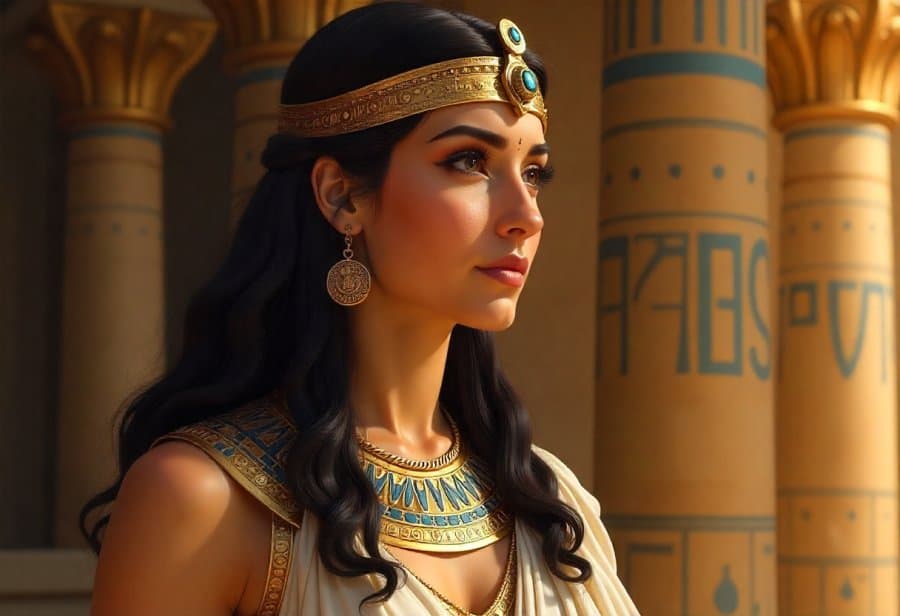
Unveiling Cleopatra: Beyond Beauty to Mastermind of Leadership
Cleopatra VII is often remembered through Hollywood’s glamorous stories and romanticized legends, but her true significance extends far beyond beauty and allure. As the last active ruler of Egypt’s Ptolemaic dynasty, she played a pivotal role in shaping the political landscape of the ancient world. Her reign was defined not just by her royal title, but by her sharp mind, diplomatic finesse, and strategic leadership. Cleopatra’s legacy is best understood as a testament to the power of intellect and political mastery—traits that allowed her to navigate a tumultuous era marked by Roman expansion and internal rivalries.
Far from the seductive archetype popularized in stories, Cleopatra was a woman of keen wit, scholarly curiosity, and political acuity. Her ability to think critically, negotiate effectively, and lead with authority set her apart from many of her contemporaries. She understood that true power wasn’t merely about appearances or charm but stemmed from intelligence, cultural awareness, and strategic planning. Her influence extended beyond Egypt’s borders, as she skillfully forged alliances and maintained independence amid the rising shadow of Rome.
Reassessing Cleopatra beyond Hollywood’s glamorous myths is essential to grasp her real impact. For centuries, her image has been shaped by stories emphasizing her beauty and romantic entanglements, overshadowing her achievements as a ruler and scholar. Recognizing her as a master diplomat, multilingual scholar, and cultural patron reveals a woman who wielded power through wit, wisdom, and strategic insight. Her leadership helped preserve Egypt’s independence during a time when Rome’s influence seemed unstoppable.
Her story reminds us that leadership rooted in intellect and strategic thinking can leave a lasting legacy. Cleopatra’s ability to navigate a male-dominated world with finesse set a precedent for future female rulers. She demonstrated that intelligence, cultural literacy, and diplomatic skill are powerful tools in maintaining sovereignty and influence. Her example continues to resonate today, inspiring us to look beyond surface appearances and appreciate the deeper qualities that define true leadership.
Understanding Cleopatra’s story helps us see her as more than a mythic figure of beauty and romance. She was a ruler who used her intellect to command respect and influence, often outmaneuvering her rivals with clever diplomacy and strategic alliances. Her mastery of languages, her scholarly pursuits, and her cultural patronage all contributed to her formidable reputation. She was not just a queen but a highly capable strategist and diplomat, whose leadership was rooted in her ability to think critically and act decisively.
Her true legacy lies in her mind—an asset that enabled her to maintain power and influence in a complex political landscape. Cleopatra understood that knowledge, cultural literacy, and strategic acumen could be more potent than brute force. Her leadership exemplifies how intelligence and resilience can shape history, inspiring future generations to value the power of the mind. Her story reminds us that great leaders are often defined by their ability to adapt, think ahead, and forge alliances based on mutual respect.
Origins and Turbulent Times: The Political Landscape of Cleopatra’s Era
Cleopatra VII was born around 69 BCE into the Ptolemaic dynasty, a Greek family that inherited Egypt after Alexander the Great’s empire fragmented. Her ancestors relied heavily on strategic marriages and alliances to secure their hold on power, often navigating a web of internal rivalries and palace intrigue. Growing up amid this complex environment, Cleopatra quickly learned that survival depended on sharp political instincts and adaptability. Her early years were marked by a keen understanding of the delicate balance between maintaining traditional Egyptian customs and embracing the Hellenistic influences that shaped her world.
The era she lived in was a melting pot of cultures, where Egyptian religious traditions intertwined with Greek customs brought by her Macedonian ancestors. The pharaoh was still regarded as a divine figure, but internal family conflicts and external threats from Rome created a fragile political landscape. Cleopatra recognized early that preserving Egypt’s independence required more than military might; it demanded diplomacy, intelligence, and cultural literacy. Her upbringing in this environment fostered her reputation as a strategic thinker capable of navigating turbulent times.
As a ruler, Cleopatra was deeply invested in cultural mastery and linguistic fluency. She is said to have spoken at least nine languages, including Egyptian, Greek, and Latin, which enabled her to communicate directly with a broad spectrum of allies and adversaries. Her scholarly pursuits—interests in philosophy, science, and the arts—weren’t mere personal passions but strategic tools to enhance her authority. By engaging with diverse cultures and knowledge systems, she crafted diplomatic messages that resonated across borders, giving her an edge in negotiations and alliance-building.
Her political strategy centered on forming and maintaining alliances that would secure her throne and Egypt’s sovereignty. Initially, she co-ruled with her brother Ptolemy XIII, relying on marriage and negotiation to strengthen her claim. But her most consequential moves came with her alliances with Julius Caesar and later Mark Antony. These relationships weren’t driven by vanity but by necessity, aimed at countering external threats and safeguarding her kingdom. Her linguistic skills and diplomatic finesse made her a confident negotiator who could influence powerful Roman leaders and shape perceptions of her leadership.
Throughout her reign, Cleopatra skillfully balanced respect for Egyptian traditions with pragmatic adaptation to external realities. She reinforced her legitimacy through participation in religious ceremonies and cultural symbols, while also embracing innovation and strategic diplomacy. Supporting institutions like the Library of Alexandria and engaging in scholarly pursuits, she projected an image of wisdom and strength that reinforced her authority. Her ability to blend cultural authority with political cunning kept her resilient in a turbulent era, allowing her to navigate internal dissent and external pressures with agility and foresight.
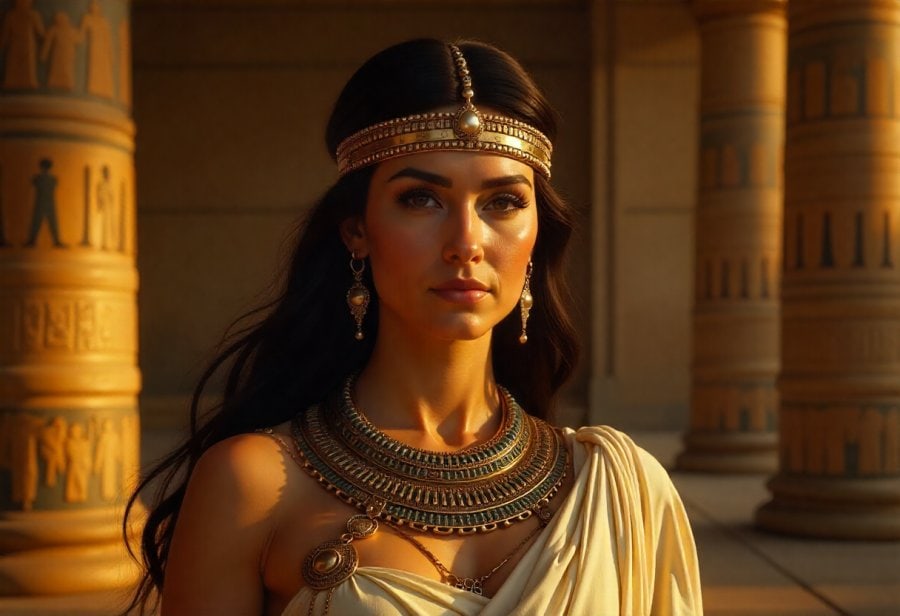
Reinterpreting Her Legacy: From Hollywood Glamour to Intellectual Power
Over the centuries, Cleopatra’s image has undergone a dramatic transformation. For a long time, Hollywood’s portrayals spotlighted her beauty and romantic entanglements with Julius Caesar and Mark Antony, often overshadowing her true strengths. These stories tend to emphasize seduction and spectacle, leaving her intellect and strategic mastery in the background. Today, however, scholars and cultural critics are reexamining her legacy, emphasizing her as a pioneering female leader who wielded influence through diplomacy, scholarship, and political cunning.
Modern interpretations paint Cleopatra as more than just a glamorous figure. They highlight her mastery of multiple languages, her patronage of arts and sciences, and her role as a cultural influencer. This shift from superficial allure to her keen intellect and strategic mind reveals a woman who challenged gender norms and proved that leadership rooted in knowledge and diplomacy could be just as powerful as traditional displays of strength. Her example inspires many to see leadership as a blend of resilience, intelligence, and cultural literacy.
Her story also resonates today as a symbol of female empowerment. Cleopatra defied her era’s expectations by demonstrating that a woman could rule effectively through wit, education, and diplomatic skill. Her ability to navigate a male-dominated world with finesse makes her a role model for women in leadership now. Films and books increasingly depict her engaging in scholarly pursuits, speaking multiple languages, and forging alliances based on mutual respect rather than mere seduction. This nuanced portrayal elevates her beyond stereotypes, emphasizing her influence as a thinker and strategist.
Her legacy as a brilliant leader remains rooted in her intellectual strengths. From her linguistic fluency to her patronage of science, arts, and education, Cleopatra’s influence extended beyond her lifetime. Her capacity to adapt, think ahead, and build strategic alliances helped her survive turbulent times and leave a lasting mark. Her story encourages us to value knowledge, resilience, and cultural literacy as essential qualities of effective leadership—traits that remain relevant today.
As perceptions of her continue to evolve, so does our understanding of her significance. Cleopatra’s example underscores the importance of combining wisdom, resilience, and cultural insight in leadership. Her life challenges modern leaders to prioritize learning, adaptability, and the forging of meaningful relationships—lessons that are just as vital in today’s interconnected world as they were in her time. Her legacy endures because she proved that true power resides in the mind, shaping history through intellect as much as action.
Key Traits of a Queen: Intelligence, Diplomacy, and Cultural Wisdom
Cleopatra’s success as a ruler was rooted in a blend of sharp intelligence, cultural savvy, and strategic acumen. From the start, she understood that maintaining her authority depended on aligning herself with Egyptian traditions. Participating in religious ceremonies and upholding customs reinforced her image as a divine and legitimate leader, fostering loyalty among her people. Yet, she also knew that internal stability alone wouldn’t secure Egypt’s independence in a world increasingly dominated by Rome.
Her linguistic mastery set her apart as a formidable diplomat. Fluent in at least nine languages—including Egyptian, Greek, and Latin—she could communicate directly with a diverse array of allies and rivals. This ability allowed her to craft messages that resonated across cultures, strengthening her influence and credibility on the international stage. Her scholarly pursuits—interests in philosophy, science, and arts—weren’t just personal passions but strategic tools that projected her intelligence and cultivated respect among her peers.
Forming alliances was central to her political longevity. Her initial co-regency with her brother Ptolemy XIII relied on marriage and negotiation, but her true strength came from forging relationships beyond her family. Her alliances with Julius Caesar and Mark Antony were carefully calculated, aimed at safeguarding Egypt’s sovereignty rather than vanity. Her diplomatic finesse and multilingual skills made her a confident negotiator, able to influence powerful Roman leaders and shape perceptions of her authority.
Balancing tradition with innovation characterized her leadership style. Cleopatra reinforced her legitimacy through participation in religious rituals and traditional customs, which helped secure internal stability. Simultaneously, she adapted her tactics to external threats, using her wit and strategic marriages to counter external pressures. She understood that her power stemmed from a combination of cultural authority and political cunning—revered and resilient, she navigated turbulent times with finesse.
Supporting arts, sciences, and religious institutions like the Library of Alexandria exemplified her key attributes. These investments enhanced her image as a wise and enlightened ruler, creating a network of intellectual support that benefited her reign. Her patronage of knowledge and learning kept her at the forefront of scientific and philosophical advancements, reinforcing her reputation as a leader who valued wisdom and education.
Her ability to anticipate threats and adapt accordingly was a hallmark of her leadership. Observant of political shifts, she recognized the importance of timing and discretion. Her multilingual skills and scholarly pursuits gave her an edge in negotiations, enabling her to influence influential figures and forge vital alliances. This strategic mindset helped her navigate internal dissent and external pressures, ensuring her survival amid turbulent times.
Throughout her reign, Cleopatra exemplified leadership rooted in knowledge, diplomacy, and cultural awareness. She demonstrated that true power came from understanding human nature, respecting tradition, and employing strategic thinking. Her blend of intelligence, cultural literacy, and political cunning made her a formidable ruler whose influence endures. These qualities formed the foundation of her lasting legacy, allowing her to survive and thrive in a turbulent era and offering timeless lessons in resilient leadership.
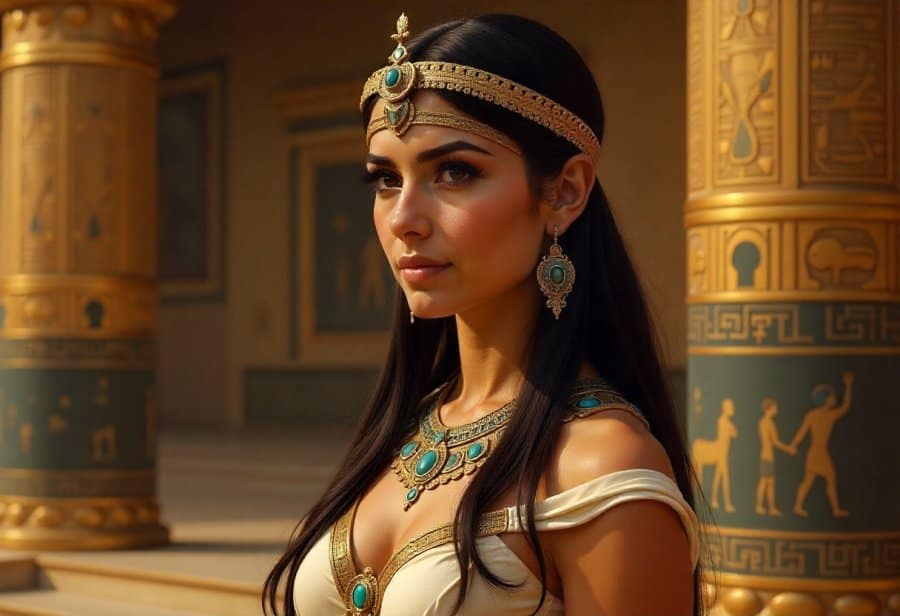
Modern Lessons from Cleopatra: Leadership Rooted in Mind, Resilience, and Cultural Insight
Cleopatra’s leadership qualities—her intelligence, diplomatic finesse, and cultural awareness—remain strikingly relevant today. In an era where global politics are increasingly complex and interconnected, her example offers timeless lessons. Modern leaders can learn from her ability to adapt swiftly to shifting circumstances, think critically under pressure, and leverage knowledge and relationships for influence. Her success underscores that effective leadership goes beyond authority or force; it hinges on understanding people, cultures, and power dynamics. These skills are as vital now as they were in her time.
Her legacy as a trailblazing woman in leadership continues to inspire. Cleopatra defied the gender norms of her era by demonstrating that wit, education, and strategic diplomacy could rival traditional forms of power. Recognized today as a pioneer, she challenges stereotypes and highlights that resilience and cultural literacy can be just as formidable as brute strength. Her story encourages women and marginalized groups to see leadership as a blend of intelligence, perseverance, and the ability to forge meaningful alliances.
The strategic use of language, culture, and diplomacy that Cleopatra mastered remains a blueprint for effective influence. In today’s world, credibility and the ability to foster trust often outweigh superficial displays of dominance. Leaders who prioritize building genuine relationships, based on mutual respect and understanding, tend to sustain influence longer. Cleopatra’s example shows that influence rooted in credibility and cultural insight is more enduring than superficial power or spectacle.
Cultural literacy and knowledge are central to modern leadership. Cleopatra understood that perception and trust could be cultivated through patronage of arts, sciences, and education. Leaders who invest in fostering intellectual growth and cultural understanding create a foundation of loyalty and legitimacy. Her example reminds us that integrating these elements into strategic decision-making builds resilience and fosters long-term influence.
Resilience and continuous learning are key takeaways from Cleopatra’s story. Facing external threats and internal dissent, she adapted her tactics and maintained her position through strategic insight and cultural savvy. Her ability to anticipate challenges and act wisely underscores that leadership is an ongoing process. Embracing a mindset of agility and openness to new ideas allows today’s leaders to navigate uncertainty effectively.
Looking ahead, Cleopatra’s example challenges modern leaders to prioritize wisdom, resilience, and cultural intelligence. As the world becomes more interconnected, the importance of forging authentic relationships and understanding diverse perspectives only grows. Her life illustrates that lasting impact comes from a combination of mental agility, strategic foresight, and genuine engagement—traits that remain fundamental in shaping influential leadership.
Her legacy encourages us to move beyond stereotypes and recognize that true power resides in the mind. Leaders who combine knowledge, resilience, and cultural insight can leave a lasting mark, just as Cleopatra did centuries ago. By valuing learning and empathy, today’s leaders can build influence that endures through times of change and challenge. Cleopatra’s life serves as a reminder that the most effective leadership is rooted in the strength of the mind and the heart.