The Chevrolet Corvette stands as an enduring symbol of American automotive passion, blending groundbreaking innovation with bold design to inspire driver emotion and legacy. From its pioneering fiberglass bodies and powerful engines to its racing triumphs and iconic styling, the Corvette has continually pushed boundaries while honoring tradition. Today’s models, like the mid-engine C8, redefine performance, integrating cutting-edge technology without sacrificing its emotional appeal. Yet, as the industry shifts toward electrification, can the Corvette maintain its visceral thrill and cultural resonance? With future innovations in hybrid and electric powertrains, the question remains: will this legendary machine continue to stir souls and embody American ingenuity? As it evolves, the Corvette’s enduring purpose—to ignite dreams and evoke passion—remains unwavering. Its rich history of resilience, style, and speed suggests that, regardless of the technological leaps ahead, the Corvette’s legacy as a symbol of freedom and ambition will persist, inspiring generations to come.
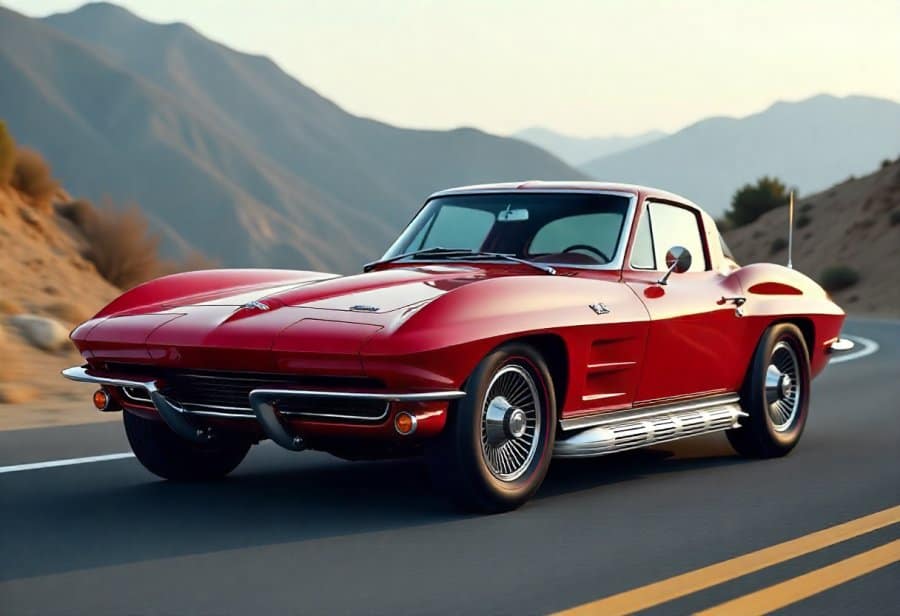
The Corvette: An Icon of American Passion and Innovation
The Chevrolet Corvette stands as a true icon in American automotive history, symbolizing more than just speed—it embodies the spirit of innovation, freedom, and daring design that define the American muscle car legacy. Since its debut in 1953, the Corvette has consistently challenged conventions, blending performance with style in a way that captures the imagination of enthusiasts and casual drivers alike. Its sleek, aggressive lines and distinctive stance make it instantly recognizable—not merely a car, but a cultural symbol of American ingenuity and ambition.
From the very beginning, the Corvette set itself apart through groundbreaking engineering choices. The decision to use a lightweight fiberglass body was revolutionary at the time, reducing weight and signaling a willingness to push technological boundaries. This early innovation laid the foundation for numerous engineering milestones, each enhancing performance and driving dynamics. Over the decades, successive generations introduced powerful engines, refined aerodynamics, and sophisticated handling, ensuring the Corvette remained at the forefront of American sports cars.
Design has always been a defining feature of the Corvette. Its long hood, wide stance, and sharp, flowing lines evoke both elegance and aggression, creating a visual language that speaks to speed and precision. Iconic details like the split rear window of the C2 Sting Ray not only improved aerodynamics but also became symbols of bold innovation. These elements contribute to the car’s unique identity, inspiring admiration and setting trends that others have tried to emulate.
The Corvette’s influence extends into racing, where it has earned legendary status through victories at events like Le Mans and Sebring. These successes showcase its capabilities beyond the street, proving it can excel on the track while maintaining its appeal as a high-performance machine. This racing heritage reinforces the Corvette’s reputation as more than just a muscle car—it’s a serious contender in motorsport, driven by a relentless pursuit of speed and mastery.
Today’s models continue this legacy, integrating advanced technology, lightweight materials, and aerodynamic enhancements to deliver exhilarating performance. Modern Corvettes still carry the DNA of those early innovations, combining raw power with emotional appeal. They reflect a brand that’s evolved with the times but remains rooted in its original purpose: to inspire passion through performance and style. The Corvette’s history is a testament to its ability to adapt while staying true to its core identity as America’s quintessential sports car.
Tracing the Evolution of the Corvette: From Fiberglass Beginnings to Modern Masterpieces
Since its debut in 1953, the Chevrolet Corvette has charted a remarkable course of evolution, reflecting changes in technology, design, and driver expectations. The first-generation C1 introduced a sleek fiberglass body that set the tone for America’s premier sports car. Its lightweight construction was revolutionary, providing a performance edge that challenged European imports and instantly captured enthusiasts’ imaginations. This early innovation laid the groundwork for the Corvette’s reputation as a bold, performance-driven machine.
In the 1960s, the Corvette underwent significant performance and styling upgrades. The introduction of powerful small-block V8 engines, such as the legendary Chevy small-block, pushed American muscle cars to new heights. The second-generation C2 “Sting Ray” featured a more aggressive stance, with a split rear window and sharp, aerodynamic lines that weren’t just for looks—they improved handling and speed. Successes in racing at Le Mans and Sebring elevated its reputation, solidifying its status as a performance icon.
Throughout the 1970s and 1980s, the Corvette continued to evolve through technological innovations like fuel injection, improved aerodynamics, and lighter materials such as aluminum. The C3 model balanced muscle with European elegance, with variants like ZR1 and Z06 emphasizing high performance for racing and enthusiasts. Each step reflected a commitment to pushing boundaries and refining the driving experience, blending raw power with refined design.
The 1990s brought a new level of refinement with the C4 Corvette, which enhanced ride comfort, handling, and aerodynamics. The introduction of the LS engine family kept the muscle car legacy alive with legendary power and durability, while the C5, launched in 1997, integrated advanced materials and electronic systems that boosted speed and efficiency. These updates reinforced the Corvette’s reputation as a versatile, high-performance machine accessible to more drivers.
The shift to the modern era began with the C7 generation, which combined sleek styling with cutting-edge technology like adaptive suspension and electronic stability control. Despite these modern features, it retained the raw, aggressive spirit of earlier models. Recently, the C8 marked a bold leap forward with a mid-engine layout, transforming handling and driving dynamics while honoring the Corvette’s storied past.
Each generation of the Corvette reflects a relentless pursuit of innovation while respecting its roots. From fiberglass bodies and small-block engines to sophisticated mid-engine architectures, the evolution underscores a commitment to performance and design. This ongoing journey highlights resilience and adaptability, qualities that have kept the Corvette at the forefront of American sports cars for nearly seven decades.
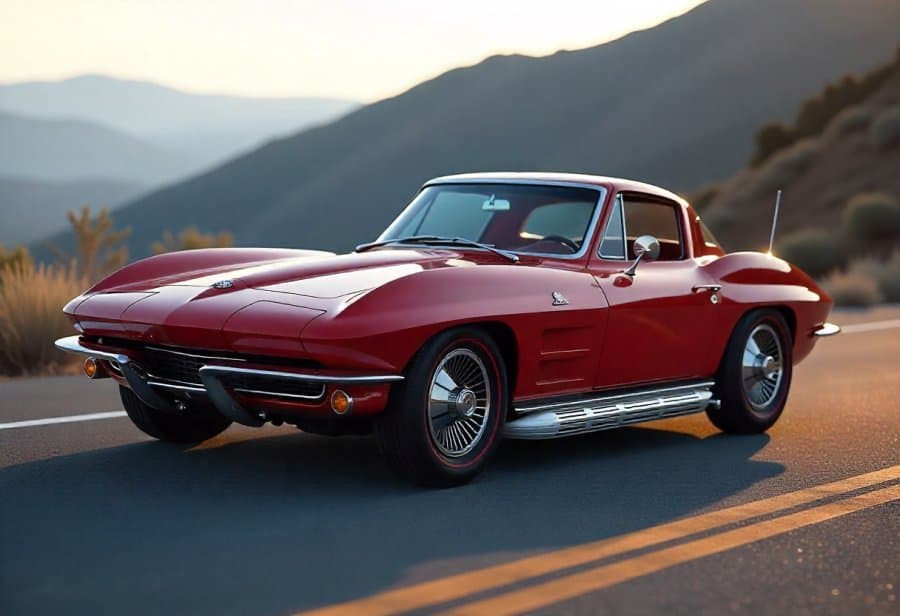
Driving Forward: The Contemporary Chevrolet Corvette and Its Technological Triumphs
Today’s Corvette models showcase the culmination of decades of innovation, blending cutting-edge technology with high-performance engineering to keep the legend alive. The latest, such as the C8 Stingray, introduces a mid-engine layout that significantly enhances handling, balance, and agility, making it feel more like an exotic sports car than a traditional American muscle machine. This shift transforms the driving experience, appealing to a new generation of enthusiasts who seek modern performance without sacrificing the Corvette’s iconic appeal.
Inside, the cockpit is now packed with digital dashboards, customizable displays, and advanced driver-assistance features that improve safety and engagement. Lightweight materials like carbon fiber and high-strength aluminum are used extensively to boost speed and efficiency while keeping weight low. Sleek aerodynamics and aggressive styling elements not only enhance stability at high speeds but also reinforce the car’s commanding presence on both city streets and racetracks. These technological updates demonstrate how the Corvette continues to evolve without losing its core identity.
The current market position of the Corvette remains strong, thanks to its ability to deliver supercar-level performance at a comparatively accessible price point. It offers a compelling alternative to European rivals, combining raw power with everyday usability. Regional preferences influence customization options, with owners opting for handling upgrades or aesthetic modifications to better suit their driving styles or personal tastes. Whether in North America, Europe, or Asia, the Corvette’s versatility and emotional appeal make it a favorite among diverse audiences.
Despite these modern advancements, the Corvette still evokes the emotional response that has defined its legacy. The roar of its engine, whether from a traditional V8 or a turbocharged powertrain, sparks adrenaline and pride. Its bold design, from the wide stance to the sleek lines, commands attention and instills confidence. Every element of the current models is crafted to foster a sense of connection and control, turning each drive into an immersive experience that celebrates speed, style, and American craftsmanship.
Looking ahead, the Corvette’s future will likely blend tradition with innovation. Hybrid and electric models are expected to maintain the brand’s reputation for excitement, offering instant torque and advanced handling capabilities. Design updates will aim to preserve its iconic silhouette while meeting evolving aerodynamic and safety standards. As the automotive landscape shifts toward sustainability, the Corvette’s challenge will be to retain its emotional core—its driving passion—while embracing new powertrain technologies. In doing so, it will continue inspiring drivers and defining the American automotive spirit for generations to come.
More Than a Car: How the Corvette Inspires Passion, Culture, and Emotional Connection
The Corvette’s appeal goes far beyond its impressive performance and striking design; it has become a powerful symbol of American freedom, pride, and innovation. Its bold lines and aggressive stance evoke a daring spirit that resonates deeply with enthusiasts, transforming the car into more than just transportation—it’s a statement of identity. Over the years, the Corvette has appeared in movies, music, and stories that celebrate the American Dream, reinforcing its role as a cultural icon that embodies speed, resilience, and ambition.
Driving a Corvette stirs intense emotions. The roar of its engine—whether from a traditional V8 or a mid-engine marvel—creates an adrenaline rush that makes every acceleration feel like a personal victory. Behind the wheel, drivers often describe a sense of liberation, as if the car becomes an extension of their desire for adventure and independence. Its responsive steering and commanding presence turn routine trips into memorable experiences, forging a deep emotional connection that keeps owners coming back.
The design elements of the Corvette amplify this emotional pull. Features like the split rear window of the C2 Sting Ray or the sleek, aerodynamic lines of recent models serve as visual symbols of daring innovation. These details evoke nostalgia and admiration, reminding drivers of the Corvette’s history of pushing boundaries. Its commanding profile and wide stance don’t just look impressive—they instill a sense of control and confidence, making every drive feel special and turning heads wherever it goes.
For owners, caring for and customizing their Corvette becomes a form of self-expression. Routine maintenance and upgrades deepen the bond with the car, transforming ownership into a shared passion. Whether tuning for better performance or personalizing aesthetic details, these efforts reflect a desire to connect more deeply with the machine. This relationship elevates driving from a daily routine into an act of passion, turning each journey into a reflection of individual style and dedication.
The Corvette’s legacy of inspiring dreams and evoking passion continues to thrive because it invites drivers to chase their ambitions, celebrate American craftsmanship, and enjoy the thrill of speed. Every turn, acceleration, and glance in the mirror reinforces its role as a symbol of resilience, innovation, and freedom. This emotional bond, built over decades, makes the Corvette more than a car—it’s a vessel for dreams and a lasting icon that inspires new generations to push boundaries and embrace the joy of driving.
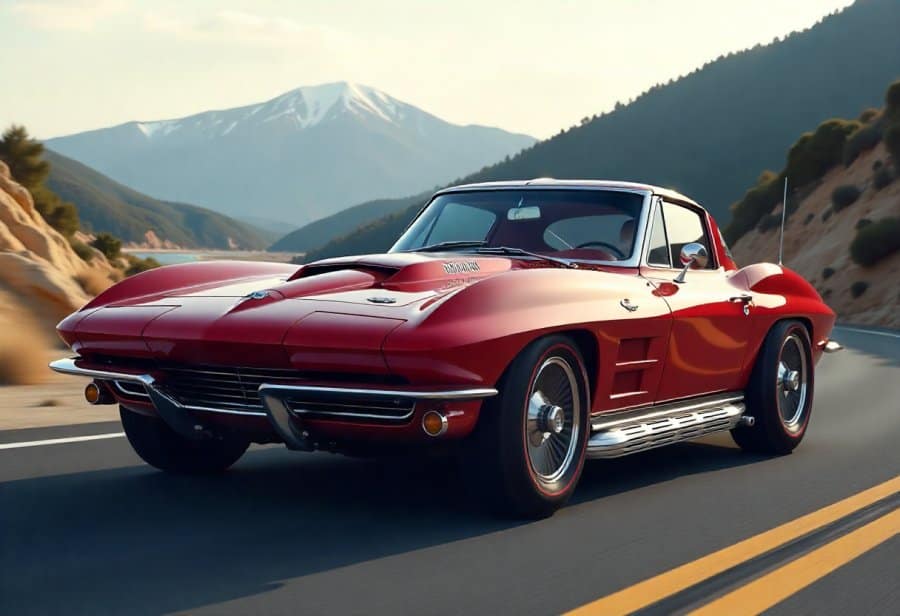
Charting the Road Ahead: The Future of the Corvette in a Changing Automotive World
The future of the Corvette shines brightly, blending its storied legacy with a bold vision for innovation. As the automotive industry shifts toward electrification, the Corvette is poised to incorporate advanced powertrain technologies that uphold its reputation for exhilarating performance. The challenge lies in maintaining the emotional connection that has made the Corvette an American icon, even as it embraces hybrid and electric systems. Industry leaders anticipate models that deliver instant torque, sharp handling, and the driving thrills enthusiasts cherish, ensuring the Corvette remains at the forefront of high-performance cars.
Design-wise, the Corvette will likely see subtle evolutions that honor its legendary aesthetic while meeting modern aerodynamic standards. Its iconic silhouette—long hood, aggressive stance, and distinctive details—will be refined rather than reinvented, preserving the visual language that has defined its identity for decades. This approach aims to appeal to both loyal fans and new audiences, creating a bridge between tradition and progress. As safety and efficiency regulations tighten globally, engineers will continue exploring lightweight materials and aerodynamic enhancements, making speed and agility accessible without sacrificing comfort or safety.
Staying ahead in a rapidly changing landscape demands continuous innovation. While the core promise of raw, visceral driving remains central, the means of achieving it may evolve. Hybrid systems or fully electric powertrains could become the new standard, offering a different but equally compelling sense of performance. The key will be replicating the thrill—the instant acceleration, responsive handling—that drivers associate with the brand. This evolution will rely on balancing cutting-edge technology with the emotional core that makes the Corvette special.
Community and heritage will remain vital in shaping its future. Restoring vintage models, customizing new editions, and pioneering sustainable technologies will keep the brand vibrant and connected to its roots. Enthusiasts and collectors will play a crucial role, advocating for performance, style, and innovation that honor the past while embracing the future. Significant investments in high-performance electric motors, sustainable materials, and advanced engineering will define the next chapter, inspiring pride and excitement among fans worldwide.
Culturally, the Corvette will continue to symbolize freedom, resilience, and American ingenuity. Its design and racing achievements have cemented its place in history, and that emotional resonance will likely carry into future models. Whether powered by traditional engines or electric motors, the goal remains to evoke the same passion and excitement that have made the Corvette a legend. By blending technological progress with its emotional appeal, the Corvette can inspire new generations to dream big and drive boldly.
In the end, the Corvette’s future depends on its ability to innovate without losing sight of what made it legendary. It’s more than a car; it’s a vessel for dreams, a symbol of resilience, and a testament to American craftsmanship. Thoughtful development and a deep connection with its community will ensure it continues to inspire pride and passion for decades to come. As it evolves, the Corvette will remain a beacon of speed, style, and relentless pursuit of excellence, inspiring generations to push boundaries and celebrate the joy of driving.