Why does America’s fascination with charismatic figures promising simple solutions persist across centuries? From Clark Stanley’s theatrical snake oil shows to Donald Trump’s modern political rallies, the pattern reveals a deep-rooted desire for quick fixes that address complex problems with confidence and spectacle. These leaders master the art of persuasion, blending storytelling, visual flair, and emotional appeal to forge powerful bonds that often overshadow skepticism. The allure lies in fulfilling primal needs for hope, certainty, and belonging—especially in turbulent times—prompting many to buy into illusions of miracle cures or effortless change. But beneath the spectacle lies a cautionary tale about susceptibility to manipulation and the importance of critical thinking. As we navigate this enduring fascination, the real challenge becomes recognizing the difference between genuine progress and the seductive allure of quick fixes—questioning claims, fostering transparency, and embracing patience over spectacle.
Unmasking America’s Obsession with Charismatic Fixers and Spectacle
Americans have a long-standing fascination with charismatic figures who promise simple, quick solutions to complex problems. Whether in politics, health, or entertainment, these showmen know how to capture attention and stir emotion, often blurring the line between genuine cures and clever deception. This pattern isn’t new—it’s a recurring theme that reveals something about our collective psyche. We’re drawn to spectacle and confidence, seeking hope in easy fixes even when reality calls for nuance and effort.
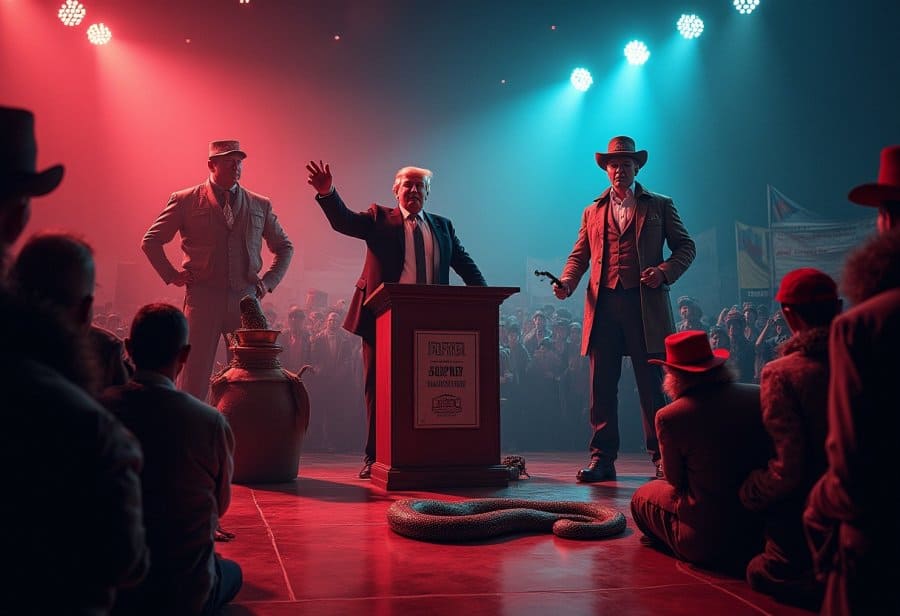
This tendency runs deep in American history. From the roaring 19th-century medicine shows to modern political rallies, showmanship has been a powerful persuasion tool. Figures like Clark Stanley, the “Rattlesnake King,” turned theatrical flair into entertainment designed to captivate and persuade. Today, politicians like Donald Trump have mastered this art, transforming rallies into events that feel more like entertainment than policy discussion.
Both understand that people aren’t just buying products or policies—they’re buying emotional experiences and identities. The promise of a quick fix—like “build the wall” or “drain the swamp”—serves as a potent symbol of hope and certainty. These slogans function much like snake oil remedies, offering a sense of relief packaged in simple, memorable phrases.
This pattern taps into fundamental human desires: hope, belonging, and control. Faced with a complex world, many prefer the reassurance of a miracle cure over the patience required for real progress. The allure of quick fixes feeds a cycle of optimism and disappointment, as charisma and spectacle often substitute for substance.
In essence, Americans have an enduring craving for clarity and certainty. Charismatic leaders—whether in medicine shows or political campaigns—offer an emotional shortcut, convincing us that solutions are just a bottle or a slogan away. Understanding this dynamic helps us see beyond the spectacle and recognize what truly lies in the bottle.
Decoding the Secrets of Charisma and the Psychology of Persuasion
Charisma is that elusive quality that makes certain individuals seem to connect effortlessly with large audiences. It’s more than charm; it’s about creating an emotional resonance that makes people feel understood, inspired, or validated. Charismatic leaders often use confident body language, compelling storytelling, and an authentic presence—traits that foster trust and loyalty, sometimes even when their ideas lack detailed evidence. This blend of traits allows their messages to stick on a deeper emotional level, making followers feel genuinely seen and heard.
Persuasion relies on a few core psychological principles. One is the human desire for certainty—people prefer emotionally charged, straightforward messages over complex truths. Charismatic figures excel at distilling complicated issues into memorable slogans or vivid narratives that evoke hope, anger, or pride. This emotional framing bypasses rational scrutiny, making their promises seem urgent and genuine, even if they lack substance. Their power lies in making these simple ideas feel personal and immediate, which deeply influences their followers.
Showmanship amplifies this effect. Throughout American history, political campaigns and entertainment have relied on spectacle—fiery speeches, dramatic gestures, and visual flair. Leaders like Theodore Roosevelt understood that captivating performances could inspire loyalty and sway opinions. Today, politicians and media personalities continue this tradition, turning issues into entertainment that appeals to our love for spectacle and emotional engagement. It’s a deliberate strategy to make complex problems seem manageable and memorable.
Humans naturally gravitate toward quick fixes because they offer a sense of control amid chaos. Charismatic figures tap into this instinct by crafting messages promising immediate relief—simple slogans, dramatic stories, or bold promises—that foster trust and loyalty. Even when their claims are exaggerated or superficial, their emotional appeal makes their influence long-lasting. This dynamic explains why many followers cling to charismatic leaders, seeking reassurance in a complicated world.
At its core, charisma fulfills deep psychological needs—hope, belonging, and certainty. Leaders who project confidence and authenticity tap into these longing, forging emotional bonds that often overshadow doubts about their sincerity. This enduring allure keeps charismatic figures relevant across generations, proving that our craving for connection, clarity, and reassurance often outweighs the desire for truth and nuance.
From Medicine Shows to Political Rallies: Showmanship as a Persuasive Power
Throughout history, showmanship has proven to be a powerful tool for persuasion, often blurring the line between truth and entertainment. In the late 19th century, medicine shows like Clark Stanley’s “Rattlesnake King” exemplified this approach. Stanley’s performances involved dramatic acts—wrestling rattlesnakes, slicing them open, and boiling their fat into bottles he claimed were miracle cures. These spectacles weren’t just about selling medicine; they were crafted performances designed to captivate and persuade, turning health into entertainment. Crowds watched in awe, trusting the spectacle as much as the supposed remedy, revealing how emotional engagement can override skepticism.
Stanley’s show was a masterclass in combining storytelling, daring acts, and visual drama to inspire trust. His theatrical flair created an atmosphere of wonder that convinced many his products could heal anything from joint pain to colds. This wasn’t just marketing; it was a cultural phenomenon rooted in the human love for spectacle. The show’s success lay in its ability to turn medicine into entertainment—making the audience feel like they were witnessing a miracle rather than just buying a bottle. It’s a reminder that persuasion often relies more on emotional engagement than scientific proof.
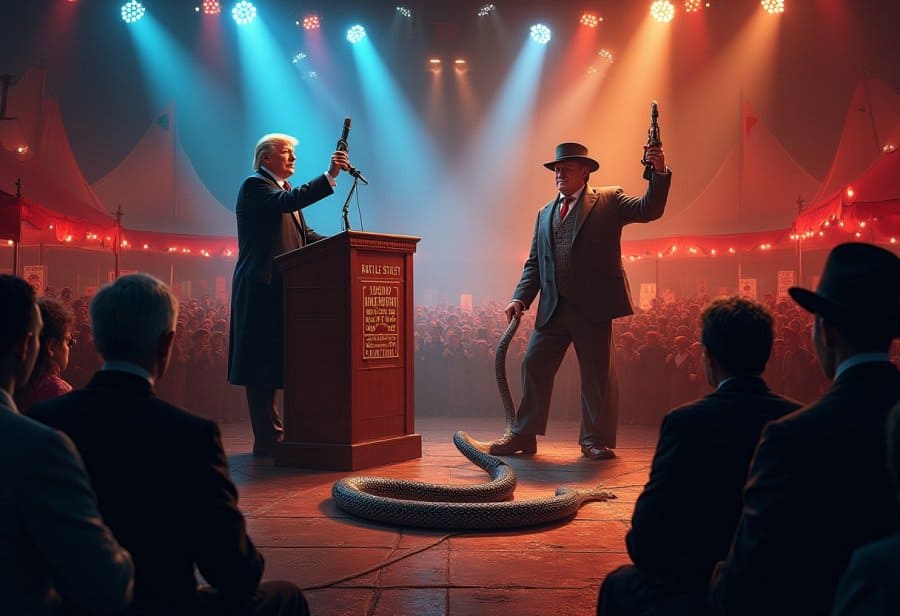
Moving into the modern era, political rallies have adopted a similar theatrical style. Donald Trump’s campaign events, for instance, are packed with loud slogans, dramatic gestures, and visual flair that turn politics into an entertainment spectacle. Like Stanley’s snakes and showmanship, these rallies evoke strong emotions—pride, anger, hope—building a sense of community and loyalty. The goal isn’t just to inform but to create a memorable experience that sticks with voters, often emphasizing simple, emotionally charged messages over complex policies.
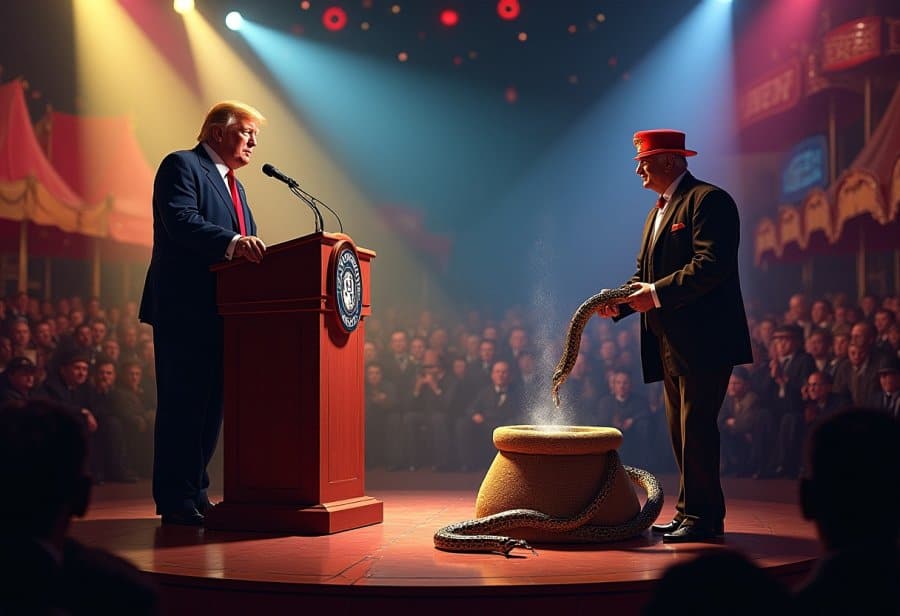
Both medicine shows and political rallies rely heavily on emotional storytelling and visual drama. The spectacle captures attention and fosters trust, even when the substance behind the message is thin or questionable. These performances tap into our innate love for entertainment, making us more receptive to persuasion. Whether it’s a snake handler or a politician on stage, the core technique is the same: turn the message into an experience that stirs feelings, not just thoughts. It’s a long-standing tradition that continues to shape how Americans engage with authority and influence.
The history of snake oil itself offers a fascinating twist. Originally, real snake oil was a legitimate remedy brought to America by Chinese railroad workers. Made from water snakes rich in anti-inflammatory omega-3s, it effectively eased joint pain. Clark Stanley’s deception, then, was not just about selling fake cures but about transforming a genuine treatment into a theatrical spectacle. This contrast highlights how cultural perceptions of medicine shifted from trust to suspicion—yet the allure of spectacle persisted, drawing people in even when the product was just fat, spices, and spin.
Today, leaders like Donald Trump understand that creating a sense of authenticity and community through spectacle can be more persuasive than detailed policies. Their performances are designed to evoke emotion and loyalty, often promising simple solutions to complex problems. The enduring power of showmanship—whether in medicine or politics—shows that persuasion relies less on facts and more on the emotional experience. It’s a tradition that taps into our deepest psychological needs for hope, certainty, and connection.
This history shows how the perception of snake oil evolved from a genuine remedy to a symbol of deception. The transformation underscores the importance of critical thinking when faced with flashy shows and persuasive performances. For a deeper understanding of this shift, see how Snake Oil Became a Symbol of Fraud.
The American Love Affair with Miracle Cures and Instant Solutions
Americans have a deep-seated tendency to cling to the idea that quick fixes and miracle cures can resolve even the most complex problems. This hope is woven into the fabric of the national psyche, offering a comforting illusion that relief or success is just a bottle, a slogan, or a miracle away. When faced with overwhelming social, economic, or health challenges, many prefer the reassurance of immediate answers over the patience and effort genuine progress demands.
This craving for instant solutions often overrides understanding that real change takes time. The allure of overnight cures appeals because it promises control in a chaotic world. Slogans like “Make America Great Again” or “Build the Wall” evoke the hope that problems can be solved swiftly, reinforcing the desire for simple, tangible remedies. These narratives resonate because they offer clarity and certainty amid uncertainty.
Throughout history, this mindset has fueled the popularity of spectacle-driven promises. Politicians and entrepreneurs craft messages that promise transformation in a flash, capitalizing on our collective reluctance to accept complexity. The idea that happiness, health, or prosperity can be packaged into a single remedy taps directly into our longing for quick results, even if such promises are superficial or exaggerated.
This obsession also stems from a mistrust of nuance. We tend to favor straightforward fixes over the nuanced, often slow, processes of genuine problem-solving. Quick solutions provide a sense of safety and control, making us more vulnerable to deception. Charlatans and populist leaders exploit this longing by offering simple narratives that mask the depth of real issues.
The cycle of hope and disappointment continues because quick fixes feed a fantasy that change can happen overnight. Charismatic figures understand that emotional comfort outweighs factual accuracy in many minds. Their promises, often hollow, meet a persistent craving for certainty, keeping us longing for miracles even when we know better.
Recognizing this pattern can help us approach claims of instant cures with a healthy dose of skepticism. It highlights the importance of patience, effort, and evidence-based solutions. While the allure of quick fixes is powerful, understanding our psychological biases can help us resist getting duped by spectacle and embrace the more challenging but lasting path to meaningful change.
Why Charismatic Leaders Keep Attracting Followers Despite Doubts
Charismatic leaders have a magnetic pull that often endures long after doubts about their authenticity emerge. This isn’t just about charm; it taps into deep psychological needs—hope, belonging, and certainty—that become even more vital during uncertain times. When a leader exudes confidence and a sense of authenticity—whether real or perceived—followers form strong emotional bonds that are hard to break. Many see in these figures a reflection of their aspirations or fears, making questioning their motives feel uncomfortable or threatening.
People are drawn to charisma because it offers a sense of stability amid chaos. Leaders who appear unwavering and decisive provide comfort, making complex issues seem manageable through their confident presence. This emotional connection often overrides rational doubts, allowing followers to cling to their leader’s persona even as inconsistencies emerge. Charisma becomes a social glue, forging communities through shared identity and loyalty that transcend factual accuracy.
History shows that charisma isn’t fleeting; it’s a persistent force. Figures like Franklin Roosevelt and Andrew Jackson built emotional bonds that could mobilize entire populations. Today, leaders like Donald Trump demonstrate how personal magnetism, combined with populist messaging, sustains unwavering loyalty—even amid controversy. Their ability to craft an identity that feels genuine—whether through storytelling or symbols—keeps followers committed long after the initial impression.
This appeal plays into cultural stories of resilience and success, with charismatic leaders embodying the heroic ideal—rising above adversity with sheer force of personality. Followers see these figures as authentic strength, even if evidence suggests otherwise. Media and social platforms amplify this effect, broadcasting these personalities as genuine voices of the people, reinforcing their influence.
The enduring allure of charisma reflects a fundamental human longing—hope, community, and certainty. Leaders who project strength and authenticity tap into these needs, creating emotional bonds that often outweigh any doubts about sincerity. This emotional resonance keeps charismatic figures relevant across generations, ensuring their influence persists regardless of factual accuracy.
Many followers are drawn not just by the leader’s words but by what they represent. Charismatic figures offer a sense of belonging and purpose, especially in times of crisis or change. Their confidence creates a feeling of security—an anchor in turbulent times—that many find irresistible.
In the end, the reason charismatic leaders continue to attract followers lies in their ability to fulfill these deep psychological needs. They offer more than promises—they offer identity, hope, and reassurance. That emotional appeal, often more potent than truth, explains why the show of charisma remains a powerful, enduring force in American culture.
Critical Tools and Strategies to Detect and Defy Snake Oil
To effectively spot snake oil and other false promises, sharpening your critical thinking is essential. When someone makes a bold claim, ask for concrete evidence—don’t accept assertions at face value. Look for credible sources, independent studies, or expert opinions that back up their story. Developing this habit makes it harder for charismatic figures to sway you with vague language or manipulative tactics.
Media literacy is equally important. Recognize sensational headlines, cherry-picked data, or biased reporting that aim to mislead. Question whether what you’re reading or hearing is balanced or if it’s designed to evoke strong emotional reactions. Being aware of these tricks helps you see through spectacle and focus on the facts.
Building a community that encourages honest dialogue strengthens your defenses. When asking questions like “What’s the evidence?” or “Are there alternative explanations?” becomes normal, skepticism becomes second nature. Sharing doubts and seeking transparency should be standard practice, not an exception.
Practice verifying claims before jumping into support or action. Check multiple sources, consult reputable fact-checkers, and consider the scientific consensus. Remember, real solutions demand patience and effort, not quick fixes packaged in catchy slogans or dramatic stories.
Supporting independent journalism and fact-based reporting creates a culture where truth takes precedence over entertainment. When communities value transparency and evidence, misinformation finds fewer fertile ground. This collective vigilance makes deception less effective and promotes a healthier, more informed public discourse.
Cultivating skepticism isn’t about suspicion for suspicion’s sake. It’s a tool that protects you and your community from manipulation. Support leaders and ideas grounded in transparency and integrity, and don’t be afraid to question narratives that seem too good to be true.
By staying alert and actively questioning, you can resist the allure of spectacle and focus on what truly matters—solutions based on facts, effort, and genuine progress. This mindset fosters a more resilient society, less prone to falling for polished illusions and more committed to meaningful change.
Navigating the Spectacle: Cultivating Awareness and Critical Thinking in America
Understanding why Americans are drawn to charismatic figures and simple solutions goes beyond surface-level fascination; it reveals deep-rooted psychological needs. In times of uncertainty or chaos, people crave certainty, belonging, and hope—qualities that charismatic leaders often provide, whether genuinely or not. Their confidence and emotional resonance create bonds that can overshadow doubts about authenticity, making followers more committed than rational analysis would suggest.
Recognizing this pattern isn’t about dismissing leadership or dismissing charisma altogether. It’s about cultivating awareness. Asking straightforward questions like “What’s the evidence?” or “Is this claim supported by credible sources?” creates a mental shield against manipulation. Developing a habit of critical engagement turns passive acceptance into active discernment, helping us see beyond the spectacle to what truly matters—truth, substance, and genuine progress.
Building communities rooted in transparency and honest dialogue strengthens our collective resilience. When skepticism is normalized and supported by credible information, it becomes harder for superficial appeals to dominate public discourse. Supporting independent journalism and fact-based reporting fosters a culture that values facts over entertainment, making deception less effective and truth more accessible.
This awareness empowers us to support leaders and solutions grounded in integrity rather than spectacle. It reminds us that lasting change requires patience, effort, and a commitment to evidence. By questioning claims and resisting the allure of quick fixes, we protect ourselves and our communities from being duped by the show—keeping our focus on meaningful progress over fleeting illusions.
In the end, understanding our psychological predispositions and practicing active engagement help us navigate the ongoing spectacle. It allows us to enjoy the energy charismatic figures generate without losing sight of reality. We can appreciate the show, but always remain grounded—supporting genuine solutions that meet real needs rather than temporary fixes that fade away once the curtain falls.