The final flight of Space Shuttle Atlantis in 2011 marked the end of an era that defined human space exploration for nearly three decades. As it launched from Kennedy Space Center, it carried vital supplies to the International Space Station, symbolizing both remarkable technological achievement and emotional farewell. Atlantis’s storied career included deploying the Hubble Space Telescope and constructing the ISS, demonstrating resilience, innovation, and international collaboration. Its retirement prompted a seismic shift toward private sector partnerships, reusable rockets, and new propulsion technologies, laying the groundwork for future missions beyond low Earth orbit. Today, space exploration is more inclusive and ambitious, with projects targeting lunar bases, asteroid mining, and Mars. The legacy of Atlantis’s pioneering spirit continues to inspire a new generation of explorers and innovators. But as humanity pushes forward, will the lessons of resilience and cooperation embedded in Atlantis’s history be enough to unlock the cosmos’ deepest secrets?

Celebrating the Final Journey of Atlantis: A Pivotal Moment in Space Exploration
In 2011, the world watched as Space Shuttle Atlantis prepared for its final journey, marking a pivotal moment in space exploration history. After nearly 30 years of groundbreaking missions, this last flight symbolized both the end of an era and the dawn of new possibilities for human spaceflight. The final launch from Kennedy Space Center was more than a routine mission; it was a farewell to a spacecraft that had become a symbol of human ingenuity and perseverance.
Atlantis’s last mission, designated STS-135, carried vital supplies and equipment to the International Space Station. Its cargo included the Permanent Multipurpose Module and the Raffaello Logistics Module, both critical for supporting ongoing scientific research and international partnerships. The mission’s primary goal was logistical support—an essential function that underscored the shuttle’s core purpose: maintaining a continuous human presence in space and fostering global scientific collaboration.
This mission carried emotional weight for NASA and space enthusiasts worldwide. Atlantis, the last of NASA’s orbiters, had flown 33 missions since 1985, each contributing to advancements in science, technology, and international cooperation. Its role in deploying satellites, servicing the Hubble Space Telescope, and helping to assemble the International Space Station made it a versatile and dependable workhorse. As the shuttle soared into space for the final time, it embodied decades of progress, resilience, and the relentless pursuit of exploration.
The significance of Atlantis’s final flight extended beyond its immediate objectives. It marked the conclusion of the shuttle program’s pioneering chapter, prompting NASA to shift its focus toward developing next-generation spacecraft and fostering partnerships with private companies. The retirement of the shuttle fleet spurred the creation of new vehicles like the Orion capsule and encouraged collaborations with companies such as SpaceX and Boeing, aiming to make space travel more sustainable and accessible.
The mission also highlighted the importance of international cooperation. Atlantis’s flights helped build and maintain the International Space Station, a symbol of global teamwork. These collaborations demonstrated that space exploration is a collective effort, transcending borders and uniting nations through shared goals. The legacy of Atlantis’s role in these partnerships continues to influence current and future missions, emphasizing that humanity’s reach into space is a shared pursuit.
As Atlantis’s final mission concluded, it left a lasting legacy of achievement and innovation. It served as a reminder of what dedicated teams and technological resilience can accomplish. The mission’s success underscored the importance of perseverance and adaptability in the face of challenges, lessons that continue to guide space exploration today. Its historic flight also inspired a new generation of scientists, engineers, and explorers to carry forward the spirit of discovery.
In essence, Atlantis’s last journey was more than a farewell; it was a celebration of human progress and a catalyst for future exploration. The mission marked the end of a transformative chapter but also laid the groundwork for exciting advancements ahead. As we reflect on this historic flight, we recognize that the story of Atlantis is intertwined with humanity’s ongoing quest to explore the universe—an enduring legacy that continues to inspire and drive innovation in space exploration.
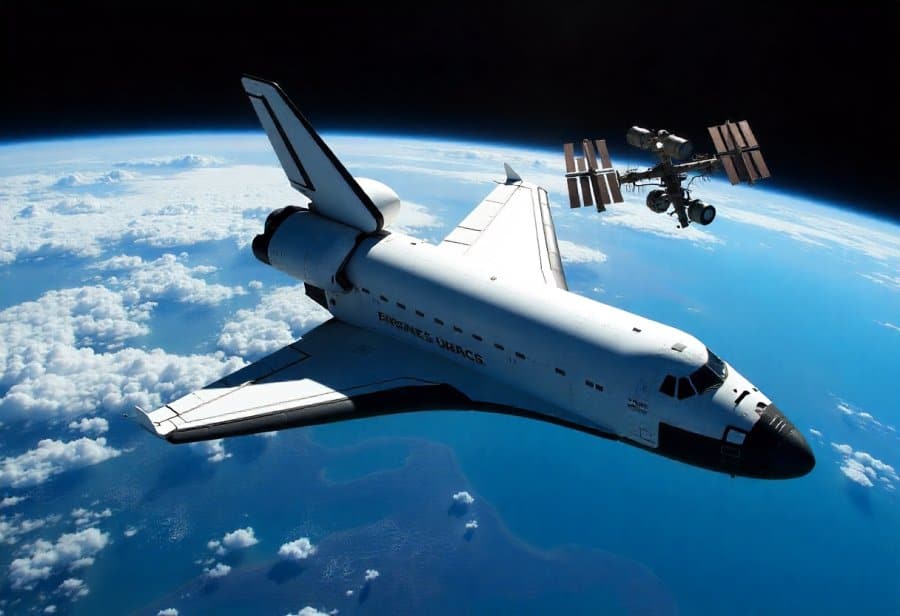
Atlantis’s Legacy: The Career of a Space Shuttle Pioneer
Space Shuttle Atlantis was born out of NASA’s ambitious efforts in the early 1980s to extend human reach into space. As part of the last group of orbiters built, Atlantis was designed with versatility and longevity in mind, incorporating advanced materials and engineering techniques to withstand the rigors of repeated missions. When it first launched in 1985, it quickly earned a reputation for reliability, becoming a dependable workhorse capable of deploying satellites, servicing scientific instruments, and helping to assemble the International Space Station.
Over nearly 27 years of active service, Atlantis flew 33 missions that contributed significantly to space exploration and scientific discovery. One of its most notable achievements was deploying and maintaining the Hubble Space Telescope, which transformed our understanding of the universe. Its role in constructing the International Space Station was equally vital, ferrying modules, supplies, and scientific equipment that expanded the station’s research capacity. Atlantis’s adaptability allowed it to handle a wide array of tasks, reflecting NASA’s commitment to innovation and resilience amid evolving challenges.
Throughout its career, Atlantis faced technical hurdles that tested NASA’s problem-solving skills. During the STS-27 mission in 1988, damage to the thermal protection system was detected after re-entry. Engineers quickly identified a damaged tile and devised a plan to reinforce it, ensuring the crew’s safe return. This incident underscored the importance of meticulous maintenance and inspection, leading to ongoing improvements in tile technology and inspection techniques that enhanced the shuttle’s resilience over time.
Technological upgrades played a crucial role in extending Atlantis’s operational life. Improvements to its thermal protection tiles, onboard avionics, and robotic arm capabilities allowed for longer, more complex missions. These upgrades not only increased safety but also expanded the shuttle’s scientific and logistical roles. Each enhancement reflected a continuous effort by NASA to push the boundaries of what the shuttle could achieve, keeping Atlantis at the forefront of spaceflight technology and capability.
Atlantis also exemplified international cooperation. It docked with the Russian Mir space station and participated in joint missions that demonstrated space exploration’s collaborative nature. These partnerships highlighted that space is a shared frontier, transcending national borders and fostering a spirit of teamwork. Atlantis’s ability to work seamlessly with international partners helped lay the groundwork for the more integrated and cooperative approach that continues today.
By the time Atlantis was retired in 2011, it had established itself as one of NASA’s most dependable and versatile orbiters. Its long service life, marked by resilience and continuous technological upgrades, left a lasting legacy. Beyond its technical accomplishments, Atlantis inspired countless individuals and underscored the importance of perseverance, innovation, and international teamwork. Its career exemplifies how dedication and adaptability can propel human exploration forward and shape the future of spaceflight.
The lessons learned from Atlantis’s extensive career remain invaluable. The shuttle’s resilience in overcoming challenges and its role in fostering international collaboration continue to influence current and future missions. Its history serves as a foundation for developing sustainable, cost-effective space exploration technologies. As NASA and its partners look to the stars, the legacy of Atlantis reminds us that progress in space depends on perseverance, ingenuity, and the collective effort of a global community committed to discovery.
From Then to Now: How Atlantis’s Retirement Reshaped Space Exploration
Since Atlantis’s retirement in 2011, the landscape of space exploration has changed dramatically. NASA shifted its focus away from operating its own shuttle fleet, turning instead toward developing new spacecraft and partnering with private companies. SpaceX’s Crew Dragon and Boeing’s CST-100 Starliner now regularly ferry astronauts and cargo to the International Space Station, reducing costs and increasing mission frequency. These advancements have opened new avenues for sustained human presence in orbit, making space more accessible than ever before.
International cooperation has become central to current efforts. The International Space Station remains a hub for scientific research, with multiple nations sharing resources, expertise, and technology. Programs like NASA’s Artemis aim to return humans to the Moon and establish a sustainable lunar presence. This approach reflects a broader shift toward collaboration, leveraging both government and private sector strengths to push beyond low Earth orbit, and laying the groundwork for future Mars missions.
Technological progress continues at a rapid pace. Reusable rockets such as SpaceX’s Falcon 9 and Blue Origin’s New Shepard have revolutionized launch logistics by lowering costs and enabling more frequent missions. Meanwhile, innovations like ion drives and solar sails promise faster, more efficient travel within our solar system. These developments are not just about reaching distant planets—they’re about making space exploration sustainable, safe, and ultimately, more routine.
Public engagement has also evolved. Space activities are now more inclusive, fueled by social media, live streams, and educational outreach. Private companies and international partners share discoveries widely, inspiring a new generation of scientists, engineers, and explorers. This democratization of space information fosters a collective excitement and sense of ownership over humanity’s future in space, helping sustain momentum for ongoing exploration.
Looking ahead, projects like lunar bases, asteroid mining, and crewed Mars missions are transitioning from distant dreams to active pursuits. The technological foundations laid during Atlantis’s era—resilient spacecraft, international teamwork, and innovative logistics—are now shaping these endeavors. Developing habitats capable of supporting life on the Moon or Mars depends on lessons learned from past missions, emphasizing sustainability and safety as core priorities.
This new era of exploration is driven by a diverse group of visionaries—scientists, entrepreneurs, policymakers—whose ideas and collaborations push the boundaries of what’s possible. Emerging propulsion systems and autonomous technologies promise faster, safer journeys, transforming space travel from a high-risk venture into a viable, long-term enterprise. The legacy of Atlantis’s missions continues to inspire these innovations, ensuring that the spirit of discovery remains alive and thriving.
The transition also prompts reflection on the impact of the shuttle program’s end on NASA and space exploration, highlighting how the end of an era has paved the way for new initiatives. Understanding this shift is essential for appreciating the ongoing evolution in human spaceflight, as agencies continue to build on Atlantis’s legacy to achieve ambitious future goals.
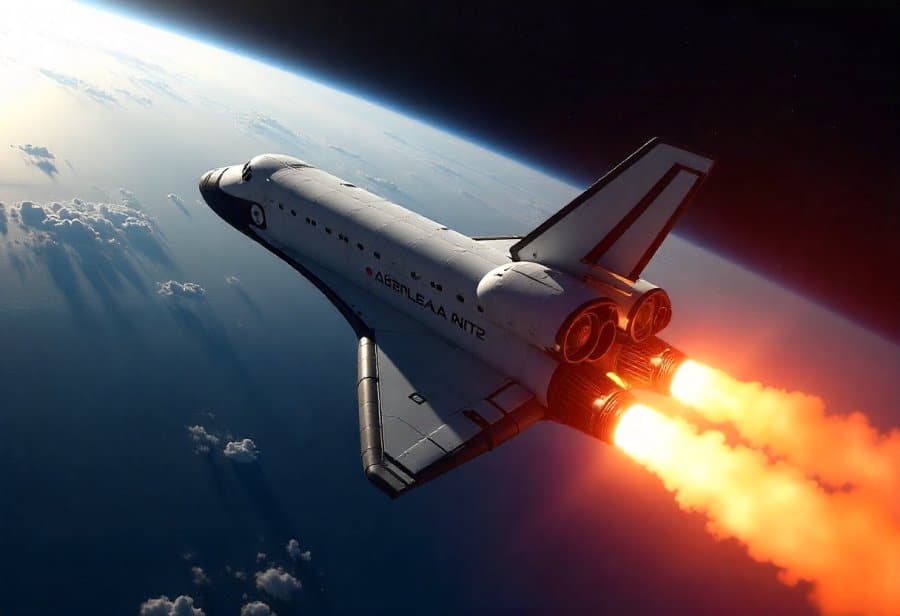
Gazing Ahead: The Bright Future of Human Space Exploration
Looking ahead, the future of human space exploration is shaping up to be more collaborative, innovative, and ambitious than ever before. Reusable rocket technologies like SpaceX’s Falcon 9 and Blue Origin’s New Shepard have revolutionized launch logistics, drastically lowering costs and making space more accessible. These advancements enable quicker turnaround times and more frequent missions, laying the groundwork for sustained human presence beyond low Earth orbit. As these systems mature, they open opportunities for scientific, commercial, and exploration activities that were once out of reach.
International partnerships are increasingly central to space efforts. The International Space Station remains a hub for scientific research and international cooperation, but new projects aim to push beyond its boundaries. NASA’s Artemis program plans to return humans to the Moon and establish a sustainable lunar outpost, serving as a stepping stone for future missions to Mars. These collaborations leverage shared resources, expertise, and innovations, emphasizing that space exploration is a collective endeavor. The lessons learned from Atlantis’s legacy of international cooperation continue to guide these efforts, reinforcing that humanity’s future in space depends on working together.
Emerging propulsion technologies, such as ion drives and solar sails, promise faster and more efficient travel within our solar system. These advancements could significantly reduce travel times to distant planets and asteroids, making long-duration missions safer and more cost-effective. Developing such propulsion systems is key to establishing lunar bases, asteroid mining operations, and crewed missions to Mars. The push for these technologies reflects a broader focus on sustainability and versatility—areas that the Apollo and shuttle eras only hinted at but now aim to fully realize.
Public engagement with space exploration is more vibrant than ever. Social media, live streaming, and educational outreach have democratized access to space science and discoveries. Private companies and international agencies share their progress widely, inspiring new generations of scientists, engineers, and explorers. This inclusive approach fosters a collective sense of ownership and excitement about humanity’s expanding frontiers. It also helps sustain political and financial support for ongoing missions, ensuring space remains a shared goal for all.
The pursuit of lunar bases, asteroid mining, and manned Mars missions is transitioning from distant dreams into active projects. Technologies refined during Atlantis’s era—resilient spacecraft, international teamwork, and innovative logistics—are now foundational. Developing habitats capable of supporting life on the Moon or Mars depends on lessons from past missions, emphasizing safety, resource management, and sustainability. These efforts aim to turn exploration into long-term endeavors rather than one-off ventures, transforming space into a new frontier for human civilization.
This new era is driven by a diverse mix of scientists, entrepreneurs, policymakers, and explorers whose ideas push the boundaries of what’s possible. Breakthrough propulsion methods, autonomous systems, and advanced habitats are making space travel faster, safer, and more reliable. These innovations are turning distant destinations into reachable outposts, promising a future where humans can explore, settle, and thrive in environments once thought impossible. The legacy of Atlantis’s pioneering spirit continues to inspire these bold strides forward.
As space exploration becomes more interconnected and technologically advanced, the core lessons of resilience and adaptability remain vital. The foundations laid during the shuttle era—strong international partnerships, technological innovation, and a relentless drive to explore—continue to shape new missions. With each breakthrough, humanity’s reach extends further, driven by curiosity and the shared goal of understanding our universe. The journey ahead promises discoveries that will redefine our place in the cosmos, built upon the pioneering spirit that Atlantis helped ignite and nurture.