Imagine transforming daily walks into moments of harmony and trust with your dog—sounds ideal, but achieving calm leash manners can be a real challenge. This guide reveals that teaching your dog to walk politely at your side isn’t just about obedience; it’s a pathway to deeper connection, safety, and mutual respect. From understanding canine body language to overcoming common hurdles like pulling and distractions, you’ll discover practical, positive reinforcement techniques tailored for all ages and temperaments. The modern approach emphasizes kindness over correction, supported by helpful tools and consistent routines, making training more accessible and effective. As you navigate setbacks and celebrate small victories, you’ll see your bond strengthen, turning what once was stressful into shared joy. Whether you’re a new pet owner or looking to refine your skills, this journey promises rewarding results—are you ready to unlock the peace and confidence that calm leash walking can bring to your daily adventures with your dog?
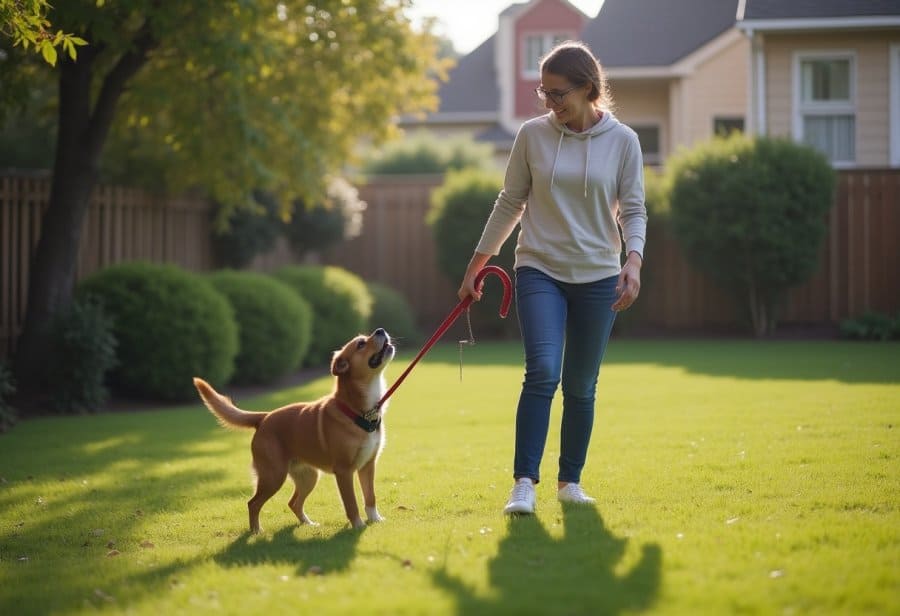
Mastering the Art of Peaceful Dog Walking: Building Trust and Joy
Taking a peaceful walk with your dog might seem straightforward, but it’s actually a skill that can genuinely transform your daily routines. When your dog walks calmly by your side, it creates a sense of harmony and trust that deepens your bond. This isn’t just about good manners; it’s about effective communication, patience, and mutual respect. Mastering calm leash walking turns what can be a frustrating task into a shared moment of connection and enjoyment.
A relaxed walk also greatly enhances safety. Dogs that stay focused and walk calmly are less likely to pull into traffic or lunge at distractions, protecting both your pet and those around you. When walks are predictable and stress-free, they become more pleasurable for everyone involved. Plus, a calm dog often exudes confidence, feeling secure enough to explore without becoming overwhelmed.
Starting early with calm leash training lays a solid foundation for your dog’s behavior. Whether you’re working with a puppy or an older dog, establishing these habits now helps prevent more challenging behaviors later. Consistent routines and patience are your best tools to teach your dog to walk peacefully, turning daily outings into moments of mutual trust and understanding.
This guide aims to provide a clear roadmap for achieving that calmness on the leash. From understanding your dog’s instincts to practical exercises, you’ll learn how to make walks a positive, bonding experience. Every step in this process strengthens your relationship, making shared adventures more relaxed and rewarding.
Remember, every successful walk begins with patience and positive reinforcement. Reward your dog for calm behavior, stay patient through setbacks, and celebrate small victories along the way. With consistent effort, calm leash walking will become second nature, transforming your routine into a joyful part of your daily life together.
Decoding Canine Communication: Foundations for Calm Leash Manners
Understanding how dogs communicate is key to effective calm leash training. Dogs primarily rely on body language—such as tail wagging, ear positions, and posture—to express their feelings. Recognizing these cues allows you to respond proactively, helping prevent behaviors like pulling or lunging before they escalate. A relaxed body stance and wagging tail typically signal contentment, while stiff posture or pinned-back ears indicate stress or alertness. Paying close attention to these signs helps you adjust your approach, making your dog feel safe and understood.
Dogs are deeply instinctual animals, shaped by thousands of years of evolution. Their natural drives, like prey chasing or exploring curiosity, influence their behavior during walks. Understanding these instincts helps set realistic expectations and guides your training methods. For example, knowing that a dog’s desire to chase moving objects is instinctual allows you to tailor exercises that channel that energy safely, rather than punishing the behavior.
Positive reinforcement remains the cornerstone of building calm leash manners. Dogs quickly learn to associate good behavior with rewards such as treats, praise, or play. When your dog walks beside you calmly, immediately rewarding that moment reinforces the behavior and encourages its repetition. Over time, this shapes your dog’s response, transforming training from a struggle into a positive experience that builds trust.
Historically, correction-based techniques—like harsh pulls or punishment—dominated dog training, often damaging trust and creating fear. Today’s approach emphasizes kindness, patience, and rewards, fostering a stronger bond. This shift not only makes learning easier but also ensures that your dog feels safe and confident while developing good leash manners.
Clear communication is essential for successful training. Teaching basic cues like “heel” or “let’s go” creates a shared language that your dog understands. Consistent commands paired with immediate rewards help your dog recognize expectations and respond reliably. Avoiding harsh corrections and focusing on positive guidance builds trust and makes training a safe, enjoyable process for both of you.
Familiarizing yourself with behavioral principles and terminology—such as “loose leash” and “positive reinforcement”—sets the stage for effective training. Recognizing what to look for and how to respond helps you stay calm and consistent, making the process smoother. This foundational knowledge ensures your efforts lead to confident, calm leash walking that benefits your entire relationship.
The Shift in Dog Training: Embracing Calmness and Cooperation Today
Today’s dog training landscape has shifted significantly towards promoting calmness and harmony during walks. Many owners still struggle with issues like pulling, lunging, and distractions, which can turn what should be enjoyable outings into stressful experiences. This shift reflects a growing awareness that positive reinforcement and gentle guidance are more effective—and humane—than outdated correction methods. Owners now focus on building trust and cooperation through patience, consistency, and rewards, transforming walks from chores into bonding moments.
New tools and techniques support this approach. No-pull harnesses, remote treat dispensers, and smartphone apps help owners stay consistent and motivated. These innovations make it easier to teach dogs polite walking behaviors without causing discomfort or frustration. Such tools reinforce positive associations, helping dogs understand that walks are safe and enjoyable, not stressful or overwhelming.
The importance of calm leash training is more recognized than ever. It’s now seen as a vital part of responsible pet ownership because relaxed, focused walks improve safety and reduce accidents. They also foster a stronger bond based on mutual respect and understanding, which benefits the overall relationship. Trainers and behaviorists emphasize that patience and consistency are the keys to success, as dogs respond best when they feel secure and understood.
This modern landscape emphasizes kindness and cooperation, encouraging owners to nurture confidence and self-control in their dogs. As awareness grows, daily walks become opportunities for growth and connection rather than frustration. The availability of resources, support, and innovative tools makes achieving calm leash manners more accessible than ever before.
Overall, the current scene reflects a cultural shift toward gentler, more effective training methods. It’s about creating a positive environment where both owner and dog feel valued and understood. This approach nurtures trust, patience, and calmness, making every shared walk a rewarding experience that deepens your bond and enhances everyday life together.
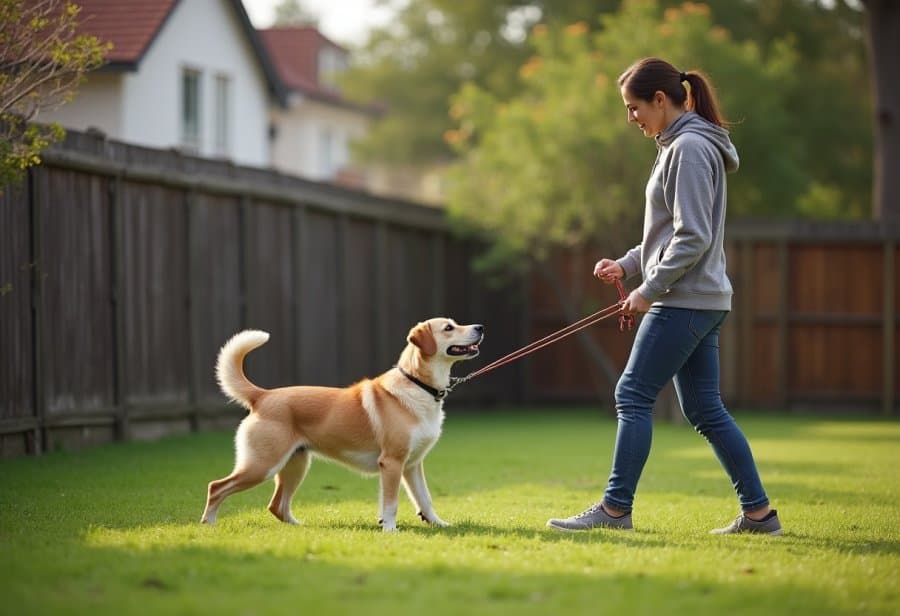
Budget-Friendly Tips for Effective Calm Leash Training Supplies and Resources
Training your dog to walk calmly doesn’t have to break the bank, but understanding the costs involved can help you plan effectively. Basic supplies like a sturdy leash and a comfortable harness are essential, and investing in quality gear can make a real difference in comfort and durability. While budget options are available, opting for well-made equipment often pays off by reducing the need for frequent replacements and making training smoother for both you and your dog.
Professional training classes can be a valuable resource, providing tailored guidance and rapid feedback that accelerates progress. Group sessions tend to be more affordable, while one-on-one coaching offers personalized support. Costs vary depending on your location and the trainer’s experience, but many owners find that the benefits—faster results and fewer frustrations—justify the expense. For those on a tighter budget, online courses and instructional videos can provide practical tips at a fraction of the cost.
Treats are a key part of positive reinforcement, and choosing the right ones can influence your dog’s motivation. High-value, healthy treats don’t need to be expensive; buying in bulk or using homemade options can keep costs down. The focus should be on consistency and timing—rewarding your dog immediately for calm behavior is more important than the treat’s price tag.
Ongoing practice might require occasional purchases of new training aids or toys, especially as your dog progresses or encounters new challenges. However, many effective training methods use everyday household items and homemade treats, keeping expenses minimal. This approach makes consistent training more accessible without sacrificing quality.
Remember, the long-term savings often outweigh initial costs. Well-trained dogs tend to have fewer behavioral issues, which means less re-training or costly corrections down the line. Investing in good equipment and expert guidance builds a foundation for success, turning daily walks into safe, enjoyable, and bonding experiences.
Staying within a realistic budget involves prioritizing what truly makes a difference—durable gear, quality treats, and professional advice when needed. Leveraging free online resources, community programs, or even swapping tips with fellow pet owners can further reduce expenses. The goal is to create a positive, consistent environment that fosters calm leash manners without unnecessary spending.
Ultimately, the costs associated with calm leash training are investments in your dog’s well-being and your peace of mind. By choosing quality over quantity and focusing on regular, positive practice, you set the stage for lasting results. Every dollar spent on the right tools and guidance pays off with a calmer, happier dog and more relaxed walks shared together.
Transforming Daily Life: Real-World Benefits of Calm Leash Training
Calm leash training doesn’t just change how your dog walks; it transforms your everyday life together. When your dog moves politely at your side, simple tasks like running errands or heading to the park become far more relaxed. No more tugging, lunging, or getting distracted by every squirrel or passing car. Instead, walks evolve into peaceful, shared moments you both look forward to, turning what once felt like a chore into a true bonding experience.
This kind of training also improves social interactions. A dog that remains calm and attentive around other dogs and people is less likely to react aggressively or become overwhelmed. This not only keeps everyone safer but helps your dog build confidence in new environments. Over time, these positive experiences foster trust and deepen your connection, making outings feel less like a struggle and more like an opportunity for mutual growth.
At home, the benefits are just as clear. A well-trained dog is less reactive to visitors and household noises, barking less or pulling less on the leash when meeting new people. These small shifts contribute to a calmer household overall, reducing daily stress for everyone. The patience and consistency you dedicate to leash training ripple into your relationship, creating a more peaceful, enjoyable environment.
The real reward comes in reduced stress and increased confidence during walks. When your dog walks focused and relaxed, you feel more in control and less anxious about unexpected distractions. This calmness makes shared adventures more enjoyable and less about managing behavior issues, turning routine outings into moments of trust and connection.
In the long run, calm leash training deepens your bond. Walks become more than just exercise—they become opportunities to nurture understanding and mutual respect. As your dog learns to stay focused and relaxed, every shared step transforms into a meaningful part of your relationship, enriching both your lives and making daily life together more joyful.
Step-by-Step Plan to Integrate Calm Leash Training into Your Routine
To effectively incorporate calm leash training into your daily routine, start with short, consistent sessions in familiar, low-distraction environments. Focus on creating positive associations by rewarding your dog immediately whenever they walk beside you without pulling. Using treats, praise, and gentle guidance helps reinforce calm behavior, making the experience rewarding and clear for your dog. Keeping routines simple and predictable builds confidence and helps your dog understand what’s expected each time you go for a walk.
Begin in quiet spaces like your backyard or a calm neighborhood park where your dog is less likely to be overwhelmed. As they improve at walking calmly, gradually introduce more distractions—such as other animals, people, or busier streets—while continuing to reward focus and restraint. Short, five- to ten-minute sessions are ideal early on, as they keep your dog engaged without causing frustration or fatigue. Consistency is key; practicing regularly helps solidify good habits and long-term behavior.
Incorporate these training moments into your usual walks, making them part of your daily routine rather than separate exercises. Use common commands like “heel” or “let’s go,” and always reward your dog immediately when they respond correctly. If your dog pulls or gets distracted, pause briefly, redirect their attention gently, then reward when they refocus. This teaches patience and self-control, gradually shaping reliable leash manners over time.
Involving other family members or trusted friends in training can help maintain uniform cues and reactions, speeding up progress. Keep the experience positive—celebrate small successes, stay calm, and avoid harsh corrections. Over time, these small, consistent efforts will help your dog develop confidence and calmness on the leash, making walks more peaceful and enjoyable for everyone involved.
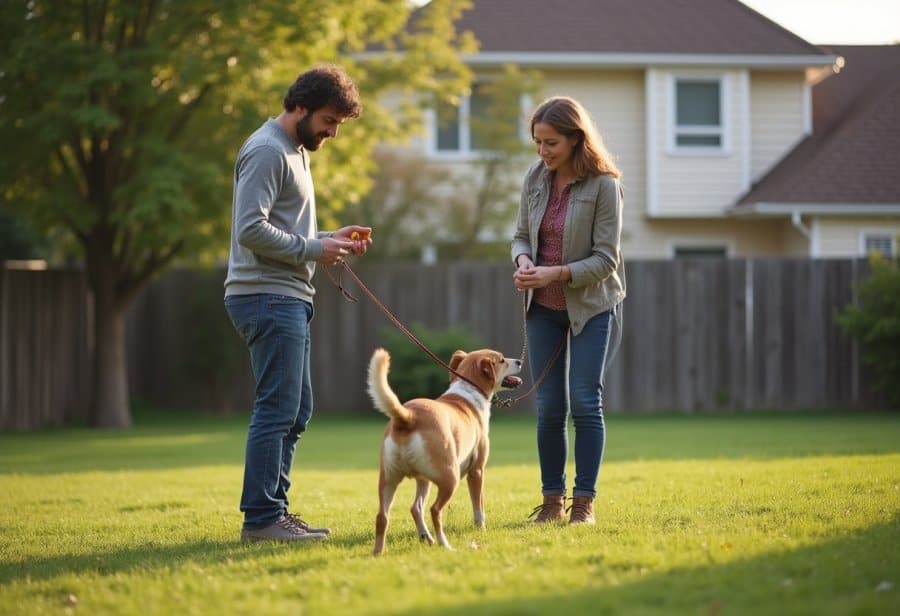
Overcoming Common Challenges: Practical Solutions for Calm Leash Walking
Training a dog to walk calmly can come with its share of challenges. One common issue is pulling on the leash, often driven by excitement or a lack of clear boundaries. This behavior turns walks into a tug-of-war, making the experience frustrating and less enjoyable for both of you. Distractions also pose a big hurdle—dogs are naturally curious and easily sidetracked by scents, sounds, or moving objects, which can lead to pulling, lunging, or ignoring commands.
Reactiveness is another frequent challenge, especially when dogs encounter other animals or unfamiliar people unexpectedly. Barking, lunging, or becoming anxious during these moments can slow progress and increase stress. Rushing training or inconsistent responses can worsen these behaviors, leaving owners feeling stuck. Harsh corrections often backfire, creating fear or resistance instead of cooperation.
Prevention is key. Starting in calm, low-distraction environments helps your dog focus and build confidence. Using positive reinforcement—treats, praise, gentle redirection—encourages good behavior and reduces the likelihood of setbacks. When your dog pulls, stopping and redirecting their attention back to you, then rewarding calm focus, teaches that pulling leads nowhere.
Patience remains essential. Progress might be slow, especially with stubborn or anxious dogs, but breaking training into small, manageable steps prevents frustration. If persistent challenges arise, consulting a professional trainer can provide tailored strategies and support. Remember, setbacks are normal; consistency and calmness are what lead to long-term success. With perseverance, these obstacles can become part of the journey toward a more relaxed, confident walk.