Nylon, a ubiquitous synthetic fiber found in clothing, carpets, and outdoor gear, is rooted in petroleum-based processes that carry significant environmental costs. Its production involves extracting oil and natural gas, then transforming these fossil fuels through energy-intensive chemical reactions into durable fibers, releasing greenhouse gases and hazardous pollutants. This reliance on finite resources makes nylon’s lifecycle vulnerable to resource depletion and climate change. Moreover, nylon’s durability leads to persistent environmental pollution: washing releases microplastics into waterways, harming marine life and entering the human food chain. Discarded nylon products can take centuries to decompose, contributing to long-lasting land and water pollution. The chemical emissions from manufacturing and waste management further threaten ecosystems and human health. Recognizing these impacts urges industry and consumers to seek sustainable alternatives, such as recycled or bio-based materials, to reduce reliance on fossil fuels and mitigate nylon’s extensive environmental footprint.

Unveiling Nylon: The Hidden Environmental Cost of a Versatile Synthetic Fiber
Nylon is one of the most familiar synthetic fibers in everyday life, appearing in clothing, accessories, carpets, and outdoor gear. Its popularity comes from its strength, elasticity, and durability—qualities that have made it a go-to material across various industries. But beneath its versatility lies a complex environmental story that is often overlooked amid the convenience and affordability it offers.
Unlike natural fibers such as cotton or wool, nylon is entirely man-made, created through chemical processes that transform fossil fuels into fibers. The journey from raw oil and natural gas to the textiles we wear begins with extraction, a process that is energy-intensive and contributes significantly to pollution. These hydrocarbons are processed through reactions like polymerization, producing long chains of synthetic polymers, most notably nylon 6,6, which is used in everything from clothing to industrial applications. This process relies heavily on fossil fuels, tying nylon’s existence directly to the petrochemical industry.
The environmental impact of nylon production is substantial. It consumes large amounts of energy, primarily sourced from non-renewable resources, releasing greenhouse gases and pollutants into the atmosphere. During manufacturing, hazardous chemicals such as volatile organic compounds are emitted, contaminating nearby air and water sources. The chemical runoff and waste byproducts from nylon factories can harm ecosystems and pose health risks to local communities. This reliance on finite resources also makes nylon’s production chain vulnerable to resource depletion and climate change, emphasizing the need for more sustainable alternatives.
Beyond production, nylon’s lifecycle continues to affect the environment. Washing nylon fabrics sheds microplastic fibers—tiny particles that are often too small for wastewater treatment plants to capture. These microplastics end up in waterways, where they are ingested by marine life, disrupting ecosystems and entering the human food chain through seafood. Discarded nylon products take hundreds of years to decompose in landfills, persisting as long-lasting plastic waste that damages ecosystems and complicates waste management efforts. The durability that makes nylon so useful becomes an environmental liability once the product reaches the end of its life.
Understanding nylon’s environmental footprint reveals the urgent need to reevaluate how we produce and consume synthetic fibers. Moving toward recycled fabrics made from discarded plastics, natural fibers, and bio-based materials can help reduce reliance on fossil fuels and mitigate pollution. Recognizing the full lifecycle and environmental costs of nylon encourages consumers and industries to make more responsible choices, fostering a future where convenience no longer comes at the planet’s expense.
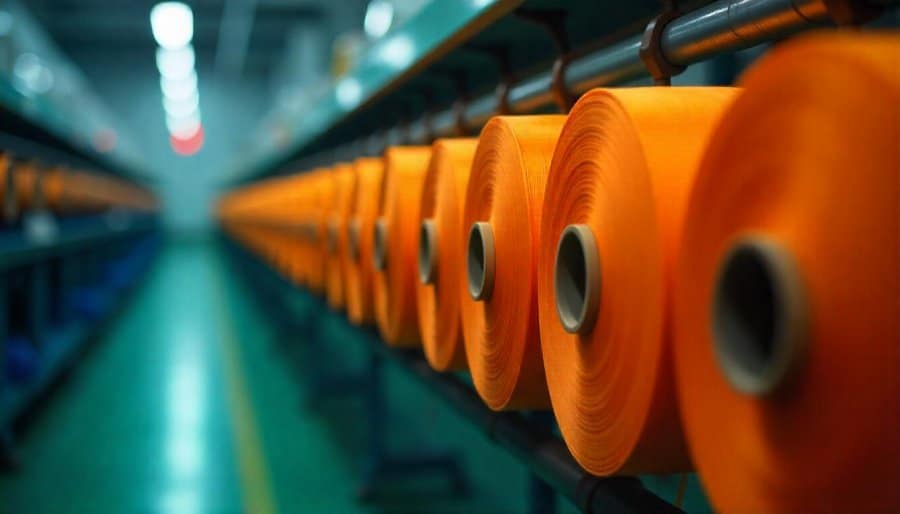
From Oil to Fabric: The Petrochemical Roots of Nylon Production
Nylon’s origins are deeply intertwined with the petrochemical industry, relying heavily on the extraction and processing of oil and natural gas. The journey from raw fossil fuels to the synthetic fibers in our clothing and products begins with drilling operations that extract these finite resources from the earth. Once extracted, the hydrocarbons are refined and transformed into chemical feedstocks through complex reactions, primarily polymerization. This process involves converting monomers like hexamethylenediamine and adipic acid into long, stable polymer chains—most commonly nylon 6,6—that serve as the foundation for countless textiles and industrial materials.
The manufacturing process itself is energy-intensive, demanding high temperatures and precise chemical conditions to facilitate the linking of monomers. This intense energy requirement primarily comes from fossil fuels, making nylon production a significant contributor to greenhouse gas emissions and air pollution. During these chemical reactions, hazardous byproducts such as volatile organic compounds (VOCs) are released into the environment, contaminating nearby air and water sources. The waste byproducts and chemical runoff from nylon factories can harm local ecosystems and pose health risks to surrounding communities, adding to the environmental toll of this process.
Nylon’s dependence on fossil fuels makes its entire lifecycle vulnerable to broader issues like resource depletion and climate change. As global reserves of oil and natural gas dwindle and energy demands escalate, the environmental costs of nylon become even more pressing. The extraction and processing of these hydrocarbons contribute significantly to petrochemical pollution, impacting air quality, water safety, and biodiversity. This reliance underscores the urgent need for alternative materials—such as recycled fabrics or bio-based options—that do not carry the same environmental burden.
Beyond raw material and chemical considerations, the entire production chain influences nylon’s environmental footprint. Microplastics shed during washing are a major concern, as tiny fibers escape wastewater treatment and enter waterways, where they threaten marine life and ecosystems. The chemical stability of nylon also means it resists natural degradation, lingering in landfills for hundreds of years and slowly releasing residual chemicals and microfibers into the environment. This persistent presence not only hampers waste management efforts but also perpetuates ongoing pollution, emphasizing the importance of shifting toward more sustainable practices in textile manufacturing.
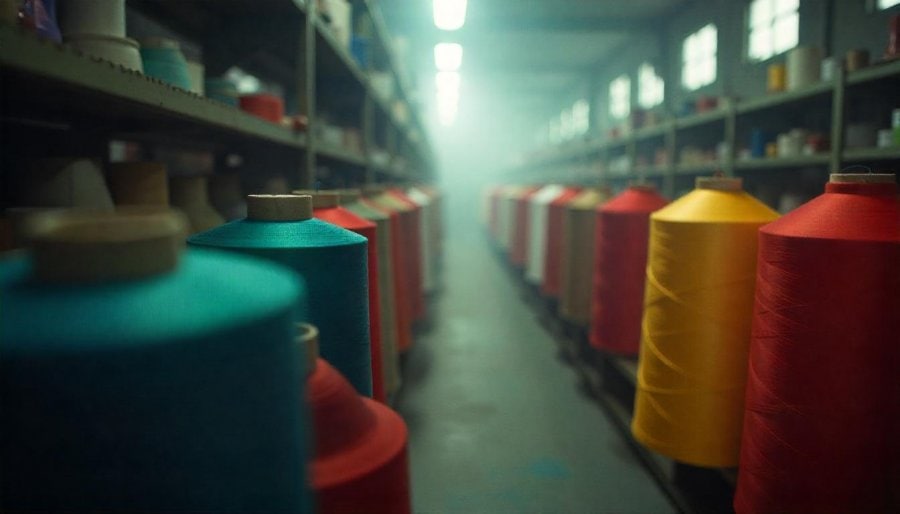
The Lingering Impact: Environmental Consequences of Nylon’s Lifecycle
The environmental impacts of nylon extend well beyond its manufacturing process, influencing ecosystems and communities long after the fibers leave the factory. One of the most critical issues is microplastic pollution. When nylon fabrics are washed, they shed tiny fibers—microplastics—that are too small for wastewater treatment plants to filter out effectively. These microscopic particles then flow into rivers, lakes, and oceans, accumulating in marine environments. Marine life often ingests these fibers, mistaking them for food, which can cause physical harm and chemical exposure. As toxins bioaccumulate through food chains, they ultimately reach humans through seafood consumption, raising significant health concerns.
Disposal further compounds nylon’s environmental footprint. Its durability means it resists natural degradation, remaining in landfills for hundreds of years. Over time, nylon breaks down into smaller fragments, releasing residual chemicals and microfibers into soil and water. This persistent pollution contaminates ecosystems and threatens wildlife, while also posing risks to human health. Recycling options for nylon are limited and often economically unfeasible, leading to increased plastic waste that lingers long after its intended use. This accumulation of long-lasting waste creates a significant challenge for waste management and environmental cleanup efforts.
Throughout its lifecycle, nylon also releases hazardous chemicals at multiple stages. Production emissions of volatile organic compounds and other pollutants contaminate nearby air and water sources, impacting local communities’ health and environment. These chemicals can linger, contributing to smog formation and respiratory issues. When nylon products are discarded, residual chemicals continue to leach out, further polluting ecosystems and complicating waste disposal. This chemical legacy underscores the importance of understanding nylon’s long-term environmental consequences and highlights the need for more sustainable alternatives.
Dependence on fossil fuels intensifies these issues. The extraction and processing of oil and natural gas for nylon production significantly contribute to petrochemical pollution, climate change, and resource depletion. As reserves diminish and energy demands rise, the ecological costs grow even more apparent. Transitioning to sustainable practices—such as using recycled fabrics or bio-based materials—can help break this cycle of environmental harm. Recognizing the full lifecycle impact of nylon encourages consumers and industries to consider more responsible choices, ultimately reducing the long-term ecological damage caused by this pervasive material.