As urban areas grapple with increasing flooding due to heavy rainfall and aging infrastructure, permeable pavers emerge as a promising solution that mimics natural landscapes by allowing water to seep into the ground. These eco-friendly surfaces reduce surface runoff, alleviate stress on stormwater systems, and support groundwater recharge—transforming stormwater from a hazard into a valuable resource. Could this innovative approach redefine urban water management? Cities like Portland and Philadelphia are already demonstrating how permeable paving not only prevents floods but also enhances aesthetic appeal and community resilience. While initial costs may be higher, long-term benefits include lower maintenance, extended infrastructure lifespan, and healthier environments. As climate change intensifies weather extremes, embracing these green infrastructure solutions could be pivotal in creating safer, greener, and more sustainable cities—making us question whether traditional paving is still enough to safeguard our future.
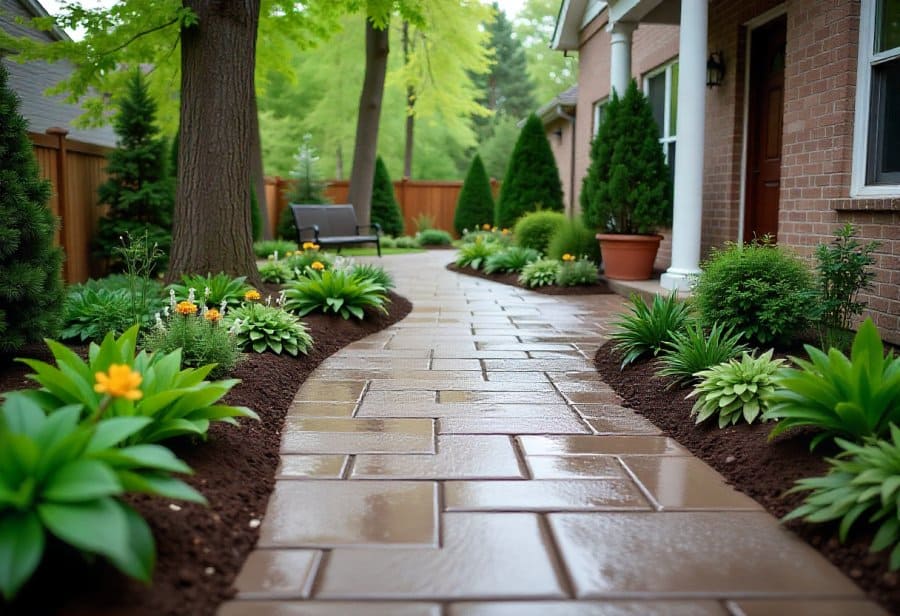
Transforming Urban Flood Defense with Permeable Pavers
Urban areas are increasingly vulnerable to flooding during heavy rains, a challenge that’s only worsening with climate change. Many existing drainage systems, built decades ago, struggle to handle the rising frequency and intensity of storms, leading to frequent street flooding, property damage, and safety hazards. As cities continue to expand and pavement replaces natural landscapes, water that once soaked into the ground now rapidly runs off surfaces, overwhelming stormwater infrastructure.
This shift from natural to impervious surfaces accelerates runoff, making urban flooding more severe. Heavy rains hit city streets, pooling and causing disruptions, while aging storm drains are often unable to cope with the volume. The result is a cycle of frequent flooding that threatens safety and increases maintenance costs. Traditional solutions alone aren’t enough to address these growing risks, especially as weather patterns become more unpredictable.
In response, urban planners are turning to green infrastructure solutions like permeable pavers. These surfaces mimic natural landscapes by allowing rainwater to seep through instead of rushing directly into storm drains. The key benefit is reducing surface runoff, which in turn eases the burden on outdated stormwater systems. By letting water infiltrate into the soil, permeable pavers help prevent street flooding and improve overall water management.
Beyond flood prevention, permeable paving offers additional advantages. It supports groundwater recharge, helping replenish underground aquifers that cities depend on during dry periods. As water filters through the porous material, pollutants such as oils, dirt, and chemicals are trapped and broken down, enhancing water quality before it reaches groundwater sources. This dual role makes permeable pavers a versatile, sustainable solution for urban water challenges.
Implementing these surfaces requires understanding site-specific factors like soil type and climate. Proper base preparation—using gravel or sand layers—ensures stability and effective drainage. When installed correctly, permeable pavers can withstand foot traffic and light vehicle loads, making them suitable for sidewalks, parking lots, and other public spaces. Their adaptability allows cities to integrate green infrastructure seamlessly into various environments.
While upfront costs may be higher than traditional paving, the long-term benefits are compelling. Reduced maintenance, lower infrastructure repair expenses, and increased resilience to storms justify the investment. Regular upkeep, like sweeping to prevent clogging, keeps them functioning effectively. As innovations improve durability and affordability, permeable pavers become an increasingly practical choice for modern urban planning.
Embracing permeable pavers reflects a broader shift toward sustainable, nature-based water management. They turn a common urban problem—excess stormwater—into an opportunity to create safer, greener communities. By promoting infiltration, reducing runoff, and filtering pollutants, permeable paving helps cities adapt to climate change impacts and foster more resilient, attractive environments. Incorporating these surfaces marks a vital step toward smarter, sustainable urban development.
Urban Flooding: A Growing Challenge in Modern Cities
Urban flooding has become an increasingly common problem as cities grow larger and denser. Heavy rainfall, often intensified by climate change, overwhelms the drainage systems designed decades ago. These systems—mainly underground pipes and storm drains—have limited capacity and weren’t built to handle the rising frequency and severity of storms we see today. As a result, streets flood more often, water pools on surfaces, traffic stalls, and property damage rises, creating a cycle of disruption and risk.
This situation is worsened by urban sprawl, which replaces natural landscapes with expansive concrete and asphalt surfaces. These impervious materials prevent rainwater from soaking into the ground, causing it to run off quickly instead. During storms, this increased runoff floods streets and overloads stormwater infrastructure, which was never meant to handle such volumes. The result is a surge in flooding incidents that threaten safety, strain budgets, and damage infrastructure.
The shift from natural to paved surfaces means that rain no longer has the chance to infiltrate the soil naturally. Instead, it rushes over impermeable surfaces, increasing both the speed and volume of runoff. When storms hit, existing drainage systems often reach capacity quickly, leading to frequent street flooding and water pooling that hampers mobility and safety. Cities face the urgent challenge of managing these heavier rains with infrastructure that’s increasingly outdated and overwhelmed.
Recognizing these challenges, urban planners and engineers are exploring innovative solutions like permeable paving. Unlike traditional concrete or asphalt, permeable surfaces allow rainwater to seep through and into the ground below. This natural infiltration reduces runoff, alleviates pressure on stormwater systems, and supports groundwater recharge—an essential resource during dry periods. These green infrastructure approaches turn water management from a reactive process into a proactive, sustainable strategy.
Addressing the rise in urban flooding requires smarter planning and the adoption of adaptable, nature-inspired solutions. As cities continue to expand and climate patterns shift, permeable paving offers a practical, effective way to turn a pressing problem into an opportunity for resilience. By allowing water to naturally flow into the soil, cities can better protect communities, preserve infrastructure, and create environments that are both functional and environmentally friendly.
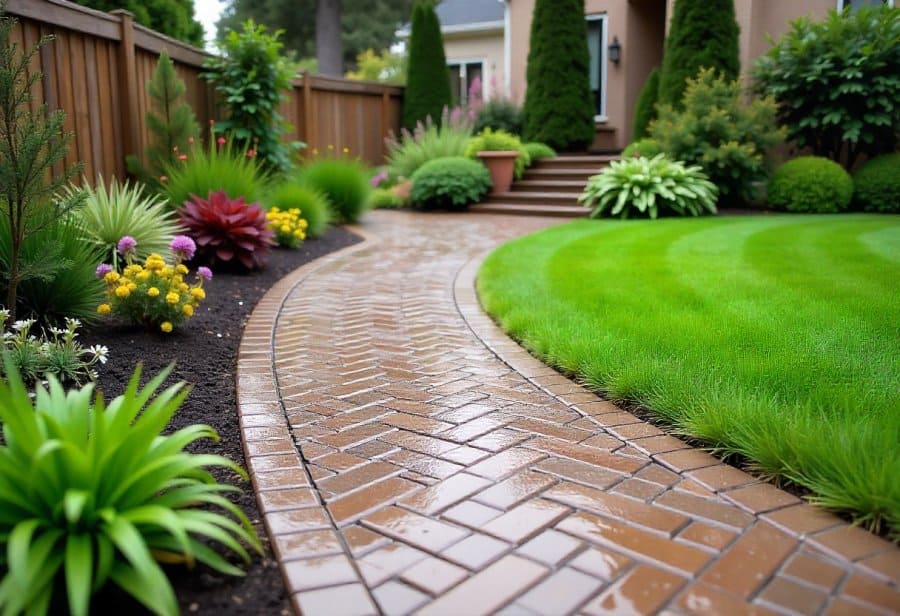
Fundamental Principles of Permeable Paving for Water Management
Permeable paving works by allowing water to pass through surfaces that mimic natural landscapes before urban development took hold. These pavers are typically made from porous materials or designed with gaps that enable rainwater to flow through easily. The core idea is to address runoff—the water that rushes over impervious surfaces like concrete and asphalt during storms—by letting it infiltrate into the ground instead of overwhelming drainage systems. This approach slows water movement and significantly reduces the volume of surface runoff, helping to prevent flooding and water pooling on streets.
One of the biggest advantages of permeable pavers is their ability to prevent urban street flooding. By promoting infiltration, they keep roads and sidewalks dry during heavy rains, making urban spaces safer and more accessible. This process also eases the pressure on aging stormwater infrastructure, reducing maintenance costs and extending the lifespan of existing systems. Additionally, these surfaces support groundwater recharge, helping to replenish underground aquifers that cities rely on during dry seasons or droughts.
As water filters through the porous material, it naturally traps pollutants like oils, dirt, and chemicals. This filtration process improves water quality before it reaches groundwater sources, making permeable paving not just a flood control measure but also an environmental health tool. Installing permeable paving requires understanding site-specific factors such as soil type and climate. Proper base preparation—using layers of gravel or sand—ensures stability and optimal drainage, which are essential for long-term performance.
When designed and installed correctly, permeable pavers can withstand foot traffic and moderate vehicle loads. This durability makes them suitable for a variety of urban applications, including sidewalks, parking lots, plazas, and residential driveways. Their versatility allows cities to incorporate green infrastructure in different environments without sacrificing functionality or aesthetic appeal. However, maintaining permeability over time involves regular cleaning to prevent clogging from debris and sediments, which can diminish their effectiveness.
Environmental factors like clay-heavy soils or freezing temperatures can pose challenges, but ongoing innovations in materials and installation techniques are continually improving durability and reducing maintenance needs. These advancements make permeable pavers a more practical and cost-effective solution for urban water management. Their ability to blend environmental benefits with urban design makes them a key component of sustainable city planning.
Overall, permeable paving embodies a simple yet powerful principle: letting water move through surfaces to manage urban water more sustainably. By encouraging infiltration, reducing runoff, and filtering pollutants, these surfaces help cities become more resilient against storms and climate impacts. Their seamless integration into urban environments demonstrates that smart infrastructure can serve both functional and environmental goals, creating safer, greener, and more adaptable communities.
In addition to their flood mitigation benefits, permeable pavers play a crucial role in supporting groundwater recharge and water filtration. By allowing rainwater to naturally seep into the ground, they help replenish underground aquifers and improve water quality. For more insights on this process, see Permeable pavers effectively mitigate urban flooding risks.
Real-World Impact: Applications and Benefits of Permeable Pavers
Implementing permeable pavers in urban settings has already shown significant benefits in managing stormwater and reducing flood risks. Cities like Portland and Philadelphia have incorporated these eco-friendly surfaces into parking lots, sidewalks, and public plazas, demonstrating their effectiveness during heavy rains. These projects help prevent streets from flooding while creating visually appealing spaces that blend sustainability with urban vibrancy, enriching city landscapes.
Beyond flood control, permeable pavers ease pressure on aging stormwater infrastructure by slowing runoff and promoting natural infiltration. This not only reduces maintenance costs but also extends the lifespan of existing systems. The ability to support groundwater recharge means cities can replenish underground aquifers, especially during dry seasons, ensuring a more resilient water supply.
Permeable pavers are remarkably versatile, suitable for everything from residential driveways to commercial developments. Proper installation involves selecting the right porous materials and preparing a stable base of gravel or sand, which is crucial for long-term performance. When done right, these surfaces can withstand foot traffic and moderate vehicle loads, making them practical for various urban applications without sacrificing aesthetics.
While upfront costs might be higher than traditional options, the long-term savings are compelling. Reduced maintenance needs, lower repair expenses, and enhanced resilience to storms offset initial investments. Regular upkeep, like sweeping to remove debris, keeps the permeability intact and ensures optimal function. Ongoing innovations in materials and design are further improving durability and affordability, making permeable pavers an increasingly attractive choice.
Cities adopting permeable paving also see environmental and community benefits. These surfaces contribute to greener neighborhoods by integrating natural elements into urban design. They reduce standing water, which can breed pests and bacteria, ultimately creating safer, healthier public spaces. Their visual appeal adds a touch of natural beauty to otherwise concrete-heavy environments.
Looking ahead, widespread adoption of permeable pavers can transform urban water management on a broader scale. When paired with other green infrastructure elements like rain gardens and green roofs, they create a comprehensive approach to stormwater resilience. Policies that incentivize their use can accelerate this shift, helping communities adapt to climate change and urban growth.
Incorporating permeable paving into city planning is more than an environmental choice—it’s a smart investment in future-proofing urban spaces. These surfaces turn a common challenge into an opportunity for sustainable development, making our communities more resilient, attractive, and livable for generations to come.
Transform Your Toronto Property with Award-Winning Landscape Design
At Toronto Landscape & Design, our award-winning designers take everything into consideration to create stunning outdoor spaces in Toronto. Whether you’re looking to reduce backyard flooding, install natural stone features, or design water gardens and irrigation systems, we have the expertise to bring your vision to life. Our comprehensive services include building durable retaining walls and crafting beautiful retreats tailored to your needs. Trust Toronto Landscpe to enhance your property’s beauty and functionality with professional landscaping that stands out. Contact us at https://TorontoLandscapeDesign.com or call 1.416.644.0499 to start transforming your outdoor space today.
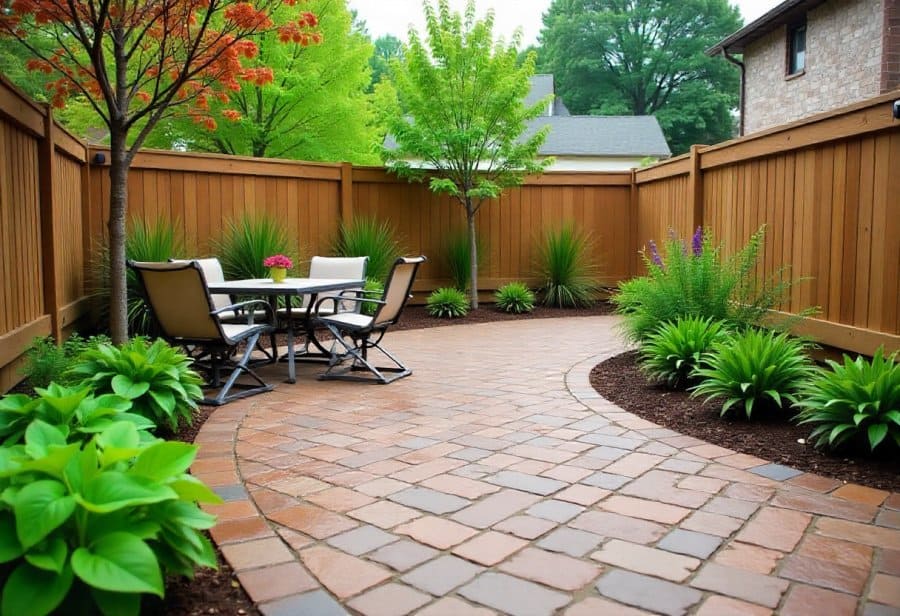
Shaping Sustainable Cities: The Future of Permeable Paving Solutions
Embracing permeable pavers as a standard feature of urban infrastructure offers a clear path toward more sustainable flood management and resilient communities. Their capacity to let rainwater naturally seep into the soil reduces surface runoff, easing the strain on aging stormwater systems and helping cities adapt to increasingly unpredictable and intense weather patterns.
Cities that have adopted permeable paving, like Portland and Philadelphia, demonstrate that these surfaces do more than just prevent flooding. They transform public spaces, enhance neighborhoods, and promote a greener urban environment. By slowing water flow and encouraging infiltration, permeable pavers turn stormwater from a threat into an asset, supporting groundwater recharge and improving water quality through natural filtration.
The long-term benefits far outweigh the initial costs. Although installing permeable surfaces may require a higher upfront investment, the savings in maintenance, infrastructure repairs, and flood-related damages are significant. Proper installation and routine maintenance, such as sweeping to prevent clogging, ensure these surfaces perform effectively over time. Advances in materials and design are making permeable pavers more durable and affordable, broadening their appeal for diverse projects.
Incorporating permeable paving into broader green infrastructure strategies amplifies their impact. When combined with rain gardens, green roofs, and other eco-friendly solutions, they form a comprehensive approach to stormwater resilience. Policies that incentivize their use and public education campaigns can accelerate adoption, helping communities become more adaptable to climate change and urban growth.
Transitioning to permeable paving supports a shift toward smarter, more sustainable urban development. It turns traditional water management challenges into opportunities for environmental enhancement and community well-being. These surfaces foster safer, more attractive neighborhoods, reduce urban heat, and create healthier ecosystems—all while mitigating flood risks.
The future of urban water management lies in integrating innovative, nature-inspired solutions like permeable pavers. As cities seek ways to become more resilient, adopting this technology is a proactive step that aligns with broader goals of sustainability and livability. It’s a practical, impactful move that prepares communities to face the storms of tomorrow with confidence.
Investing in permeable paving today not only addresses immediate flood concerns but also builds a foundation for future resilience. It exemplifies how thoughtful planning and green infrastructure can transform urban spaces into more sustainable, adaptable environments. By choosing permeable surfaces, cities can reduce their vulnerability, protect infrastructure, and promote a healthier, more vibrant way of life for all residents.