Step into the humble yet profound world of the backyard mechanic’s garage, a sanctuary where passion meets craftsmanship and time seems to stand still. This space is more than a shed; it’s a haven for creativity, patience, and self-reliance—where vintage cars, motorcycles, and aging tools tell stories of tradition and innovation. As modern tools blend seamlessly with age-old skills, enthusiasts find purpose in restoring machines that embody personal history and cultural legacy. But what secrets lie behind this ritual of revival? From meticulously organized workbenches to chaotic collections of parts, each garage reflects its owner’s unique spirit and dedication. Whether pursuing authenticity or embracing innovation, these spaces foster community, learning, and perseverance. The journey of restoration is ongoing, filled with challenges and triumphs—raising the question: how deep does the love for mechanical mastery go, and what timeless stories are waiting to be uncovered in every turn of the wrench?
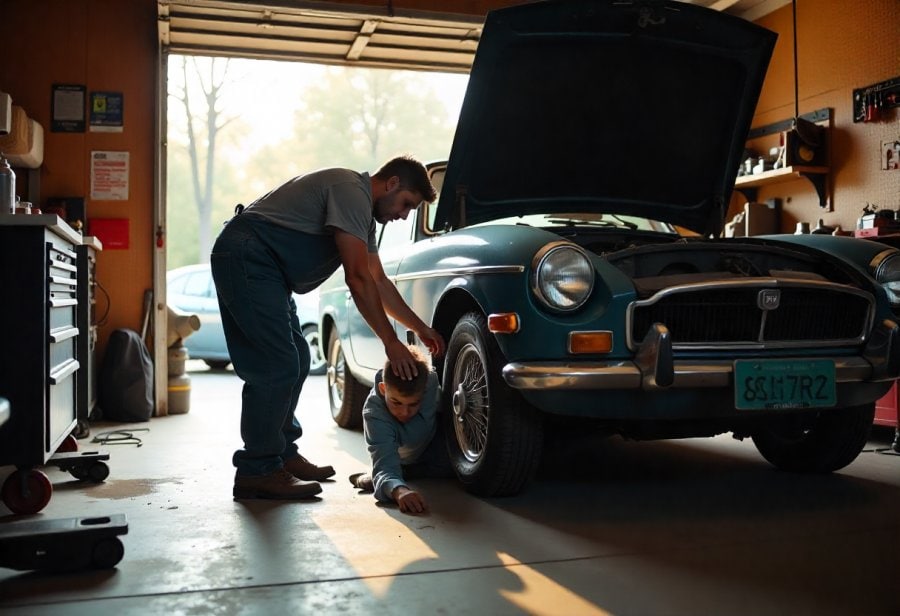
Discover the Sanctuary of Craftsmanship and Passion in Your Backyard Garage
A backyard mechanic’s garage is more than just a shed filled with tools; it’s a personal sanctuary where craftsmanship and passion come to life. It’s a space designed for focus and creativity, a retreat from the hustle of daily life where hours can slip by unnoticed as engines are tuned or parts are restored. For many enthusiasts, this isn’t merely about fixing vehicles—it’s about creating something with their own hands, a place to nurture skills and celebrate mechanical mastery.
The garage often reflects its owner’s personality, whether it’s meticulously organized with every tool in its place or a bit more chaotic, with parts and tools scattered in a comfortable mess. Each shelf, pegboard, and workbench tells a story of ongoing projects, lessons learned, and the patience that fuels the hobby. Over time, it becomes a tangible expression of dedication—an extension of the passion that drives the backyard mechanic.
Beyond its physical layout, the garage is a hub of tradition and innovation. It’s rooted in a long legacy of self-reliance, where restoring vintage cars, motorcycles, or other machines isn’t just a hobby but a way of life. Modern tools like LED lighting, portable compressors, and diagnostic devices blend seamlessly with age-old skills, creating a space where the past and present meet. This harmony keeps the craft fresh and continuously inspiring.
More than a workshop, the garage fosters a sense of community among hobbyists. It’s where knowledge is passed down, techniques are shared, and a collective love for machine restoration flourishes. Whether working alone or collaborating with friends, each visit to the garage deepens the connection to a craft that’s both timeless and personal.
Ultimately, a backyard mechanic’s garage embodies more than mechanical work—it’s a sanctuary of patience, pride, and perseverance. It’s a space where passion is poured into every bolt and every reviving engine, making it a truly special place. Here, time slows, craftsmanship reigns, and the love for restoring old machines continues to thrive.
Uncover the Roots and Structure of Your Personal Workshop
The backyard garage has a rich history rooted in practicality and personal passion. Originally, these spaces were simple structures built from whatever materials homeowners had available—wood, brick, or even repurposed shipping containers. Their primary function was straightforward: store tools, spare parts, and sometimes a small vehicle. As car ownership became more widespread and the desire to restore and customize grew, these humble sheds evolved into dedicated workshops. The rise of car culture in the mid-20th century played a significant role, transforming basic storage spaces into personal sanctuaries for mechanical work and restoration projects.
Structurally, most backyard garages remain straightforward but highly functional. They are typically designed with one or two bays, providing ample room to work on vehicles or machinery. Foundations are usually concrete, built to support heavy equipment and resist spills or impacts. Walls are often made of wood or metal, with windows or skylights to bring in natural light. Inside, workbenches and pegboards are common features, arranged for quick access to tools and parts. Shelves and cabinets help keep spare parts, lubricants, and cleaning supplies organized, even amidst ongoing projects. Despite their simplicity, these garages are deeply personal spaces, reflecting their owners’ unique passions.
Many owners keep their garages meticulously organized, with tools arranged by size or function, resembling professional workshops. Others embrace a more chaotic style, where tools hang haphazardly and parts pile up in a way that tells a story of ongoing projects and lessons learned. Personal touches like vintage signs, posters, or old car parts often decorate the space, turning it into a reflection of individual passion. This blend of practicality and personality makes each garage unique, yet all serve the same core purpose: a place to tinker, learn, and restore.
Advances in technology have gradually influenced the design and use of these spaces. Power tools such as drills, grinders, and air compressors are now standard, making tasks faster and easier. Better lighting, particularly LED fixtures, improves visibility for detailed work. Many enthusiasts incorporate specialized equipment like engine hoists, welding stations, or diagnostic tools, transforming their garages into mini repair shops. These upgrades support more complex projects, from engine rebuilds to custom modifications, allowing hobbyists to expand their skills within their backyard sanctuaries.
Culturally, the backyard garage symbolizes independence and the DIY spirit. It embodies a mindset of self-reliance, where enthusiasts take pride in fixing their own vehicles instead of relying on professional shops. Many traditions are passed down through families or shared within local communities, creating a sense of continuity and pride. Clubs, vintage car shows, and online forums foster this culture, sharing techniques and celebrating restored machines. Despite evolving designs and practices, the essence remains the same: these garages are personal spaces where craftsmanship, tradition, and innovation intersect, keeping the passion for machine restoration alive and thriving.
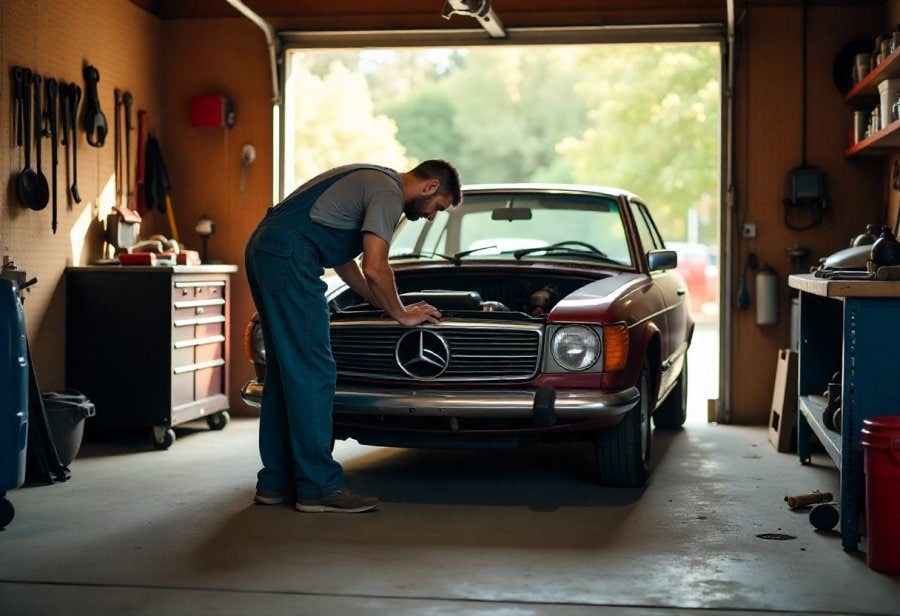
Embrace Modern Perspectives Shaping Backyard Machine Restoration
Today, attitudes toward backyard machine restoration are more diverse and dynamic than ever before. While traditional enthusiasts still see their garages as sanctuaries of craftsmanship, newcomers are bringing fresh perspectives and innovative techniques that continue to reshape the scene. Thanks to online communities and social media, knowledge sharing has become more accessible, transforming what was once a niche hobby into a global movement. Enthusiasts from different backgrounds now connect over vintage car revival, custom modifications, and advanced restoration methods, broadening the culture far beyond local clubs.
Many modern backyard mechanics view their garages as vital spaces for preserving automotive history and expressing personal craftsmanship. For them, it’s not just about fixing machines; it’s about passing down skills, celebrating tradition, and keeping the passion alive. These spaces often house rare parts and vintage vehicles, embodying a deep commitment to authenticity. Hobbyists emphasize hands-on work as a way to forge a genuine connection with their machines, fostering a deeper understanding of mechanical systems and restoring the sense of pride that comes with every successful project.
The approach to restoration has shifted from strict authenticity to a balance between preservation and innovation. Purists argue that original parts and techniques are essential to maintain a vehicle’s true character. Yet, many enthusiasts see modernization and customization as a way to breathe new life into projects, respecting the past while embracing current tools and techniques. This ongoing dialogue between tradition and progress keeps the hobby fresh and encourages creative experimentation, making each project a personal statement as much as a mechanical achievement.
Social media and pop culture also play a significant role in shaping perceptions. Films, documentaries, and online videos romanticize the lone mechanic working passionately in a cluttered garage, framing restoration as a timeless pursuit of patience and nostalgia. These stories inspire newcomers and reinforce the idea that backyard machine restoration is more than just a task—it’s a lifestyle rooted in craftsmanship and dedication. While some portrayals may oversimplify the process, they undeniably foster enthusiasm and admiration for the skill involved.
Culturally, the hobby varies across regions but remains rooted in a shared love for reviving vintage machines. In the U.S., the focus often remains on muscle cars and hot rods, emphasizing originality and DIY spirit. European restorers tend to prioritize historical accuracy, adhering to strict standards for authenticity. Meanwhile, Asian enthusiasts frequently blend craftsmanship with modern modifications, creating hybrid projects that honor tradition while embracing innovation. Despite these differences, the core passion for machine revival unites a global community dedicated to keeping the backyard restoration tradition alive and evolving.
Take Hands-On Steps to Transform Your Garage into a Restoration Haven
Starting a backyard restoration project might seem overwhelming at first, but breaking it into manageable steps makes the process much smoother. Begin by choosing a project that matches your skill level and the tools you already have—whether it’s a simple tune-up or a more involved rebuild. Gather all necessary parts, tools, and supplies before diving in. Having a clear plan or checklist helps keep you organized, ensuring each step flows logically from disassembly to reassembly without missing anything.
Patience is key in any restoration. Expect setbacks and understand that troubleshooting is part of the process. Take your time to understand how each component fits and functions. When you encounter a problem, don’t hesitate to reach out to online forums or local hobby groups—they often have tips that can save time and prevent costly mistakes. Each challenge is a chance to learn something new, making the journey as rewarding as the finished machine.
Start with straightforward projects, like cleaning and rebuilding a small engine or replacing worn parts on a vintage bike. Carefully disassemble, documenting each step and labeling parts for easier reassembly. Clean and restore each component, removing rust and repairing or replacing damaged parts as needed. Repaint surfaces if you want to match the original finish. During reassembly, pay close attention to torque specifications and fitting details to ensure everything works smoothly in the end.
Avoid rushing through tasks or skipping important steps like thorough cleaning and inspection. Rushing can hide issues that might cause failures later, and improper use of tools can damage delicate parts. Work slowly, double-check your work at each stage, and keep your workspace organized with tools and parts within easy reach. This focus simplifies the process and boosts your confidence, making the project more enjoyable.
Having the right tools makes a big difference. Basic hand tools—wrenches, screwdrivers, pliers—are essential for most tasks. Power tools like drills and grinders speed up work on stubborn or rusted parts. For more complex repairs, equipment such as engine hoists or diagnostic devices can be invaluable. Using repair manuals, online tutorials, and parts catalogs helps guide your work, ensuring you follow correct procedures and specifications.
With patience, preparation, and the right resources, your backyard can transform into a workshop where skills grow and projects come to life. Each step builds confidence and understanding, turning rusty relics into revived machines. The process isn’t just about the end result; it’s about enjoying the hands-on experience and learning along the way. Approaching restoration as a journey makes every bolt turned and obstacle overcome part of a larger story—one of craftsmanship, perseverance, and passion.
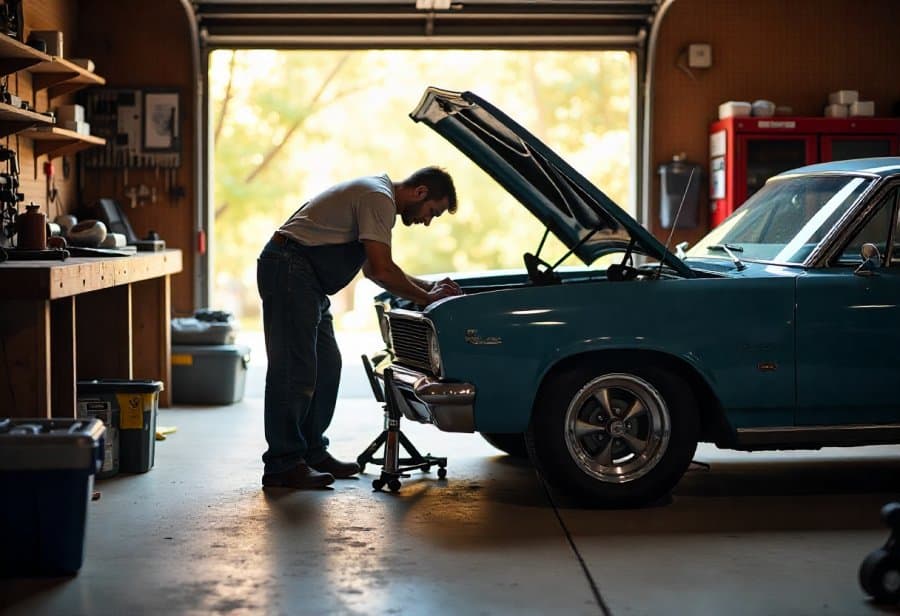
Conclude with Inspiration and Strategies for Future Mechanical Adventures
The backyard garage is more than just a space filled with tools; it’s a personal sanctuary where passion, patience, and craftsmanship intertwine. Every project completed within those four walls adds to a story of dedication that goes beyond the mechanical work itself. It’s about developing skills, understanding machines on a deeper level, and finding satisfaction in the act of creation. Each bolt turned and engine revived deepens that connection and fuels the love for the craft, making every moment spent worth it.
This hobby is a journey that never truly ends. Each project offers new lessons, pushes your limits, and invites you to experiment with techniques and ideas. Whether you’re restoring a vintage car or simply fixing a common problem, every step builds confidence and sharpens your skills. The garage becomes a space of continuous growth, where curiosity drives progress and the sense of achievement keeps the passion alive. The more you learn, the more you realize how much there is still to explore.
Engagement with this craft also means contributing to a rich tradition of preservation and innovation. Sharing your progress—whether through online forums, local meetups, or casual conversations—strengthens the community and keeps the spirit of backyard restoration vibrant. Seeing others’ work and exchanging ideas can inspire new projects and motivate you to try something different. In turn, your own work can inspire someone else, creating a ripple effect of passion and craftsmanship that reaches well beyond your own garage.
Looking ahead, expanding your skills can open new doors. From advanced welding and custom fabrication to digital diagnostics, there’s always a new technique or tool to master. Embracing these learning opportunities keeps the hobby fresh and exciting, ensuring that every project becomes a chance to grow. Staying curious and open-minded not only enriches your experience but also keeps the spirit of craftsmanship alive and evolving.
Remember, the true reward isn’t just the finished machine—it’s the process itself. The hours spent troubleshooting, the pride in solving problems, and the joy of breathing new life into old machines forge a lasting bond. This ongoing journey reminds us why we started and why we keep going. The garage remains a haven where time slows down, and passion for restoring machines continues to thrive.
Keep turning wrenches. Keep dreaming. The love for mechanical mastery is a lifelong pursuit, rooted in patience, skill, and the joy of creation. Every project is a step forward—a chance to connect with a tradition that values hands-on craftsmanship and personal expression. As long as that passion burns bright, the backyard garage will remain a sanctuary of revival, discovery, and pride.