In a world dominated by digital distractions and hurried routines, the simple act of gardening together offers profound healing and connection. This nurturing activity, rooted in patience and cooperation, reveals how tending to plants can serve as a powerful metaphor for emotional growth and rebuilding trust. Can sharing the soil help mend broken hearts and deepen bonds? The answer lies in stories of couples, friends, and individuals who find solace and clarity through shared effort—whether planting memories, supporting each other through setbacks, or cultivating routines that foster mindfulness. Gardening becomes more than a hobby; it transforms into a sanctuary for emotional expression, resilience, and authentic connection. As we slow down, focus on living things, and nurture growth—both in the garden and within ourselves—this timeless activity challenges the notion that true connection is lost in the digital age. Instead, it reveals that nature’s gentle therapy may be the key to healing and wholeness.
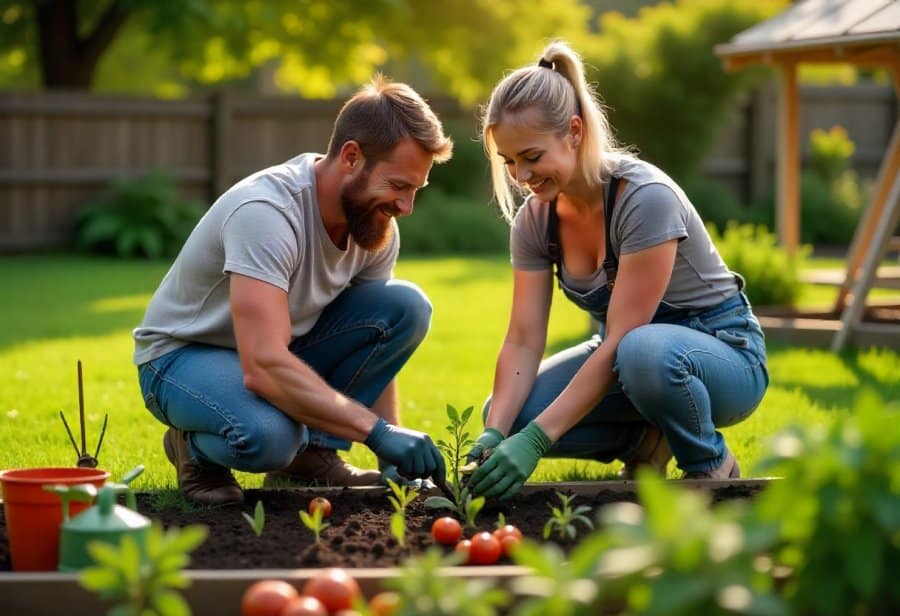
Deepen Bonds and Heal Through Shared Gardening
In today’s fast-paced, digital world, meaningful human connection often feels harder to come by. We spend hours glued to screens, rushing through our days without pausing to truly be present. Amid this constant noise, the simple act of tending a garden together offers a refreshing break—an opportunity to reconnect with ourselves, each other, and the natural world. Gardening is timeless, requiring patience, cooperation, and mindfulness—qualities that can help deepen bonds and promote healing in surprising ways.
Working side by side outdoors creates a space where conversations flow more naturally and emotions surface more easily. Whether planting seeds or watering rows, shared effort builds trust and understanding without the need for many words. Watching plants grow, supporting each other through setbacks, and celebrating small wins foster a sense of teamwork and emotional closeness. These moments, rooted in mutual care, go beyond just cultivating soil—they nurture relationships.
Gardening isn’t just about the plants; it’s about the people tending them. It offers a gentle, ongoing process that encourages patience, reflection, and emotional expression. As we nurture life together, feelings that are often difficult to share verbally can emerge organically. Over time, these shared routines can deepen understanding and create new pathways for emotional support and resilience.
In an age dominated by digital distractions, nature provides a restorative refuge. Spending time outdoors reduces stress, calms the mind, and helps us feel more grounded. When we focus on caring for a garden, we step away from notifications and deadlines, allowing ourselves to be fully present. This mindful engagement fosters a sense of calm and genuine connection that screens rarely offer, making space for relationships to flourish.
Tending a garden together is more than a hobby; it’s a form of outdoor therapy. The repetitive acts of watering, weeding, and harvesting serve as calming routines that help reset our mental state. These simple acts promote mindfulness and emotional clarity, offering a break from mental clutter. As we care for living things, we learn patience, attentiveness, and resilience—lessons that extend into our everyday relationships and emotional health.
In a world where digital interaction often feels superficial, gardening becomes a powerful way to rebuild authentic bonds. Whether in a backyard, balcony, or community plot, these shared experiences plant seeds of trust, patience, and emotional growth. As we nurture plants, we also nurture ourselves and each other, revealing how a simple activity can lead to deeper connection and healing.
Harness Nature’s Power to Support Mental and Emotional Well-Being
Spending time in nature has long been recognized as a powerful way to support mental health and emotional resilience. When we step outside into green spaces, our minds start to shift gears, helping us break free from daily stresses and anxieties. The sights, sounds, and scents of a garden—the gentle rustle of leaves, the fragrance of blooming flowers, the warmth of sunlight—activate calming responses in our brains. These sensory experiences create a soothing effect that’s often hard to find amid the chaos of modern life. Scientific studies back this up, showing that even brief moments outdoors can lift mood and reduce symptoms of depression and stress.
Gardening amplifies these benefits by engaging our senses and anchoring us in the present. Digging in the soil, planting seeds, or pruning leaves encourages mindfulness, helping slow racing thoughts and fostering a sense of calm. The act of nurturing plants offers a clear sense of progress and achievement, counteracting feelings of helplessness or overwhelm. Over time, these small routines become stabilizing routines, providing comfort and mental reset amid busy or chaotic days.
Throughout history, many cultures have valued gardens not just for their beauty but also for their therapeutic powers. Ancient civilizations like Egypt, Greece, and China regarded gardens as spaces for reflection and healing. Today, horticultural therapy continues this legacy, emphasizing how working with plants promotes emotional well-being. Modern research confirms that engaging with nature can help regulate emotions, ease anxiety, and build resilience. Gardening becomes a straightforward way to reconnect with nature’s healing power, accessible to people of all ages and backgrounds.
Sharing gardening experiences deepens emotional bonds as well. Working side by side to care for a garden creates a peaceful environment for conversation and emotional exchange. The routine of planting, watering, and harvesting fosters patience and mutual support, strengthening relationships through shared effort. Facing setbacks like pests or unpredictable weather teaches resilience and adaptability—lessons that translate into everyday life and relationships, encouraging growth and understanding.
Beyond individual benefits, tending a garden together nurtures hope and fosters emotional growth. Watching a fragile seedling grow or recover from setbacks mirrors the patience and persistence needed in relationships. These small acts of care and routine become symbols of hope, stability, and mutual commitment. They provide a quiet space for vulnerability and healing, where feelings that are hard to express verbally can surface naturally, strengthening trust and emotional closeness.
In a world increasingly dominated by screens and digital noise, nature offers a grounding refuge. The physical act of caring for plants helps us slow down, listen to ourselves, and rebuild emotional balance. It reminds us that genuine connection happens when we are fully present, not distracted by notifications. Tending a garden becomes more than a hobby—it’s a pathway to emotional renewal, fostering calm, resilience, and authentic bonds that nourish our mental well-being.
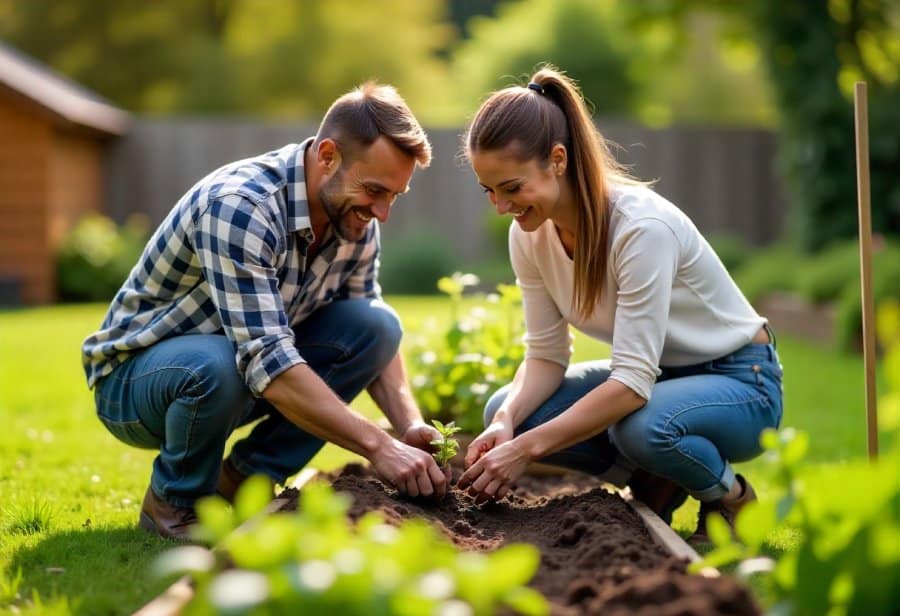
Foster Emotional Connection and Growth Through Gardening Experiences
Sharing a garden experience naturally fosters emotional bonds. When people work together—planting, watering, weeding—they rely on each other’s efforts and learn to communicate beyond words. These shared tasks build teamwork, trust, and mutual support, gradually deepening relationships. As everyone contributes their strengths and patience, they begin to see each other in new ways, laying a foundation for emotional intimacy that grows with each routine.
Gardening also encourages open conversation, often sparked by simple decisions like what to plant or how to care for certain plants. These exchanges, straightforward yet meaningful, help break down barriers and foster understanding. Collaborating through setbacks, whether pests or bad weather, teaches resilience and patience—qualities that strengthen bonds through shared challenges. Turning routine chores into moments of connection nurtures empathy and understanding over time.
The act of caring for plants together becomes a metaphor for emotional growth. Watching a fragile seedling develop or recover from setbacks mirrors the patience and persistence needed in relationships. These small acts of nurturing foster hope and stability, reinforcing a shared commitment to growth. Over days and weeks, routine gardening becomes a steady rhythm that provides a sense of purpose and reassurance.
Many find that gardening becomes a safe space for emotional expression. Working side by side, feelings that are often hard to share verbally—joy, grief, hope—can surface more naturally. Whether celebrating a good harvest or supporting each other through tough times, these shared moments strengthen trust and deepen bonds rooted in mutual care. The garden turns into a quiet sanctuary where vulnerability and healing happen side by side.
Engaging in gardening together also cultivates patience and empathy. Watching plants grow requires time and gentle attention, qualities that translate into more understanding and compassion in relationships. When plans go awry or plants struggle, it offers opportunities to practice flexibility and kindness. These lessons extend beyond the garden, enriching everyday interactions and building more resilient, caring connections.
Ultimately, shared gardening is about more than tending plants; it’s about nurturing relationships. The routines, conversations, and collective effort create a space where emotional bonds can flourish naturally. As these bonds deepen, they foster a sense of belonging, trust, and healing—reminding us that sometimes, the best way to grow closer is to grow something together.
Reclaim Genuine Connection by Escaping Digital Overload with Gardening
In our digital-heavy world, it’s easy to feel overwhelmed and disconnected from genuine human interactions. Notifications ping constantly, social media feeds scroll endlessly, and the rush to keep up leaves little room for quiet reflection. Gardening offers a simple yet powerful way to step away from this digital noise. When we focus on tending a garden, our attention shifts from virtual distractions to tangible, sensory experiences—touching soil, smelling flowers, feeling the sun on our skin. This act of mindful engagement helps reset our mental state, providing a much-needed break from mental clutter.
Unlike the endless scroll of screens, gardening demands deliberate attention. It’s a form of active mindfulness that pulls us into the present moment. As we water, prune, or plant, our minds slow down, and we become more aware of what’s happening around us. These quiet, focused moments cultivate calmness and clarity, qualities often lost amid the chaos of notifications and deadlines. They create space for us to reconnect with ourselves, fostering a sense of peace that digital interactions rarely offer.
Sharing this mindful activity with others deepens the potential for genuine connection. Working side by side in a garden removes screens from the equation, encouraging conversation rooted in shared effort. Whether deciding what to plant or simply enjoying the rhythm of routine chores, these moments promote authentic engagement. As the physical act of caring for plants unfolds, so does an openness to emotional exchange—trust forms quietly in the soil, and relationships grow stronger through patience and mutual presence.
Gardening also serves as a restorative ritual that rebuilds emotional resilience. Repetitive tasks like watering, weeding, and harvesting become calming routines that quiet racing thoughts and foster mindfulness. These acts become anchors in our busy lives, offering a steady rhythm that encourages reflection and emotional grounding. Focusing on nurturing living things teaches us to slow down, listen, and be fully present with ourselves and others—counteracting the disconnection digital life often fosters.
In this way, gardening transforms from a simple hobby into a mindful antidote to digital overload. It reminds us that true connection happens when we are fully present, not distracted by notifications or screens. Tending a garden allows us to cultivate a deeper sense of belonging, calm, and emotional intimacy—qualities increasingly rare in today’s fast-paced, tech-saturated world. Through these acts of care, we reconnect with what truly matters, one mindful moment at a time. For more on this topic, the Mayo Clinic highlights how gardening can support health, reduce stress, and connect us with nature. Click here to read the full article.
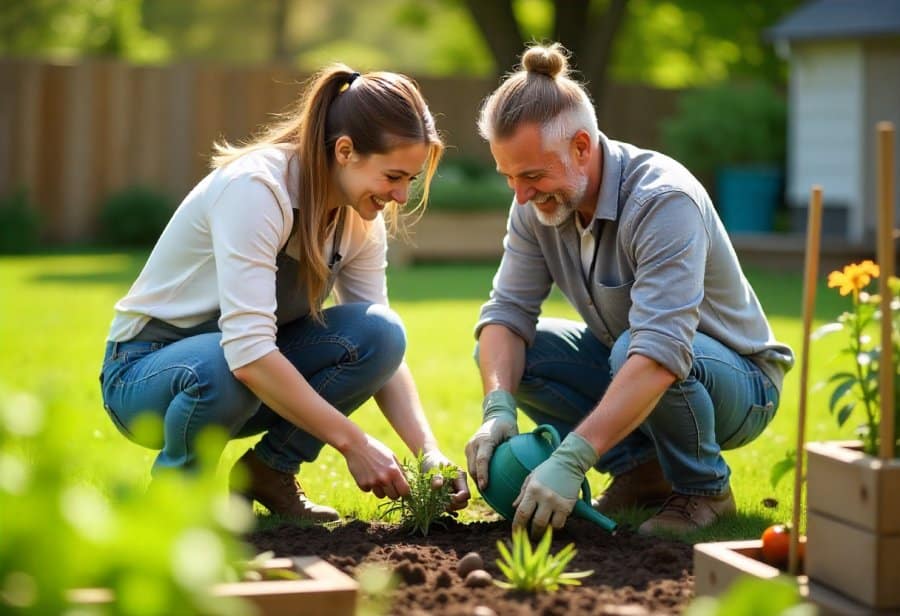
Real-Life Stories of Gardening’s Impact on Emotional Healing and Relationships
Sharing real-life stories helps illustrate how gardening together can truly boost emotional well-being. Take Mark and Lisa, a couple who felt distant after years of busy routines. They decided to start a small vegetable garden as a way to reconnect. As they planted, watered, and watched their plants thrive, they gradually opened up again through shared effort and patience. The routine of caring for their garden became a gentle way to rebuild trust and communication, bringing them closer emotionally with each passing season.
Similarly, Maria faced deep grief after losing someone dear. She began tending a flower bed in their memory, and each day spent nurturing those plants became a quiet ritual of healing. Over time, this act of caring offered her a sense of purpose and comfort, helping her process her feelings gradually. These stories show that gardening isn’t just about plants—it’s a space where emotional wounds can start to mend through ongoing, gentle care.
Another example involves Sarah and her sister, who had been estranged for years. They decided to work together on a small garden, planting vegetables and flowers side by side. As they shared tasks, they also exchanged stories they had kept hidden, slowly rebuilding trust. The routine of tending their garden turned into a meaningful step toward reconciliation, highlighting how shared activities foster emotional healing and deeper understanding.
Many find that regular gardening routines create a sense of stability amid busy lives. For some, watering plants in the morning or harvesting vegetables after work becomes a calming ritual that boosts confidence and provides a feeling of accomplishment. Over weeks or months, these small routines develop into a comforting rhythm, making daily life feel more meaningful and connected. The garden becomes a dependable space for reflection and emotional grounding.
Powerful stories also show how individuals use gardening as a form of emotional therapy. John, who struggled with grief after his father’s passing, found solace in tending a memorial garden. Watching the plants flourish and caring for them daily gave him peace and helped him process his loss gradually. These examples reinforce that even small, personal gardening efforts can serve as profound tools for emotional growth and resilience.
What’s striking is that even simple projects like container gardens or balcony herb pots can have a big impact. Working together on these accessible spaces encourages shared effort and conversation, creating moments of connection that are easy to maintain. These acts of nurturing not only strengthen bonds but also lift spirits, demonstrating how everyday routines in gardening can foster healing and emotional well-being.
Across these stories, a clear message emerges: tending a garden together isn’t just about growing plants—it’s about nurturing relationships. The routines, shared effort, and care create a natural space where emotional bonds can flourish. As these bonds deepen, they foster a sense of belonging, trust, and healing, reminding us that sometimes, the best way to grow closer is to grow something together.