The Ford Mustang stands as a powerful symbol of American muscle, freedom, and rebellion—yet what truly keeps this iconic car alive across generations? From its debut in 1964, the Mustang has evolved through decades of innovation, blending classic design with modern technology to captivate new drivers while honoring its roots. Its roaring engines, aggressive stance, and cultural significance in films and music cement its legendary status. But as industry shifts toward electrification and sustainability, can the Mustang retain its rebellious spirit while embracing eco-friendly powertrains? This compelling narrative explores its storied history, performance mastery, and ongoing influence, revealing how the Mustang continues to adapt without losing its bold identity. For enthusiasts and newcomers alike, the question remains: how will this enduring legend evolve in the future of automotive innovation?
Unveiling the Mustang Legend: An Icon of Freedom and Rebellion
The Ford Mustang has become one of the most recognizable symbols in American automotive history. Since its debut in 1964, it has come to embody the ideals of freedom, speed, and style that resonate deeply with American culture. More than just a car, the Mustang has grown into a cultural icon, appearing in films, music, and everyday life, often representing rebellion and adventure. Its sleek silhouette and roaring performance have kept it relevant across generations, making it a staple in the world of muscle cars.
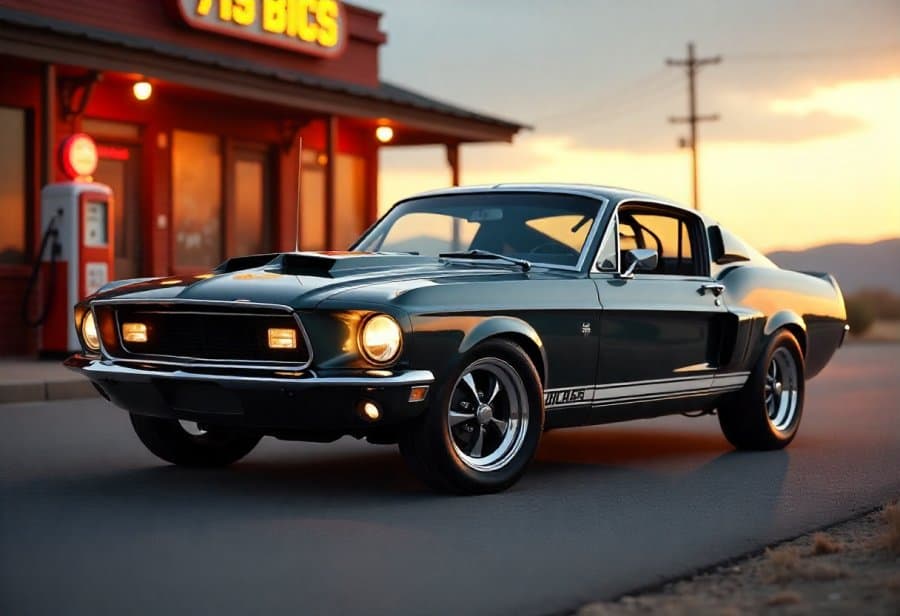
What truly sets the Mustang apart is its ability to capture the spirit of American independence. With its aggressive grille, long hood, and muscular stance, it exudes power and confidence. Driving a Mustang sparks the imagination—evoking open roads, endless possibilities, and the thrill of the drive. Over the years, it has maintained its status not only as a vehicle but as a symbol of individualism and daring.
Beyond its performance and design, the Mustang’s influence extends into pop culture. It has starred in iconic movies like “Bullitt” and “Gone in 60 Seconds,” cementing its legendary status on screen. Music icons and celebrities have embraced the car, reinforcing its image as a rebellious, freedom-loving icon. Car enthusiasts worldwide celebrate the Mustang through clubs, restorations, and racing events, helping to preserve and grow its legacy.
The Mustang’s significance also lies in its innovation. From the early days, it introduced a new kind of muscle car—affordable, customizable, and packed with performance options. Its design, characterized by a long hood and short rear deck, created an instantly recognizable silhouette that has become a symbol of speed and agility. As it evolved through generations, each new model paid homage to its roots while embracing technological advancements that kept it at the forefront of the muscle car scene.
Today, the Mustang continues to symbolize more than just horsepower. It represents a lifestyle—an expression of freedom, individuality, and American ingenuity. Whether on the road or in popular culture, its presence remains powerful and inspiring. The Mustang’s story is one of resilience and innovation, a true reflection of the enduring American spirit that drives it forward.
Foundations of Power: The Origins and Evolution of the Mustang
The story of the Ford Mustang begins in the early 1960s, a time when American automakers were eager to push the boundaries of performance and style. Ford set out to create a vehicle that was not only affordable but also highly customizable and sporty—something that could appeal to a wide audience. This vision materialized with the official launch of the Mustang in April 1964, and its debut was met with immediate enthusiasm. The sleek design, combined with versatile options, instantly transformed the landscape of American muscle cars and sparked a new era of performance-oriented vehicles.
From its first appearance, the Mustang’s distinctive silhouette set it apart from other cars on the road. Its long hood, short rear deck, and muscular stance created an instantly recognizable profile that conveyed speed and agility. Ford offered various engine options, from modest four-cylinders to powerful V8s, giving buyers the flexibility to choose a model that matched their desire for performance or economy. This adaptability helped the Mustang appeal to a broad demographic, from young drivers seeking excitement to seasoned enthusiasts craving raw power.
As the years progressed, the Mustang evolved through several generations, each reflecting the shifting trends and technological advances of its time. The first-generation models, especially the Shelby variants like the GT350 and GT500, elevated the car’s reputation for speed and performance, pushing the limits of what muscle cars could achieve. During the 1970s, the Mustang shifted toward a more subdued look, emphasizing comfort and fuel efficiency. Yet, it retained enough sporty character to stay relevant, demonstrating Ford’s ability to balance performance with practicality.
The early 2000s marked a pivotal moment with a retro-inspired redesign that paid homage to the original models. This reboot reignited interest in the Mustang, blending classic styling cues with modern engineering. The sixth-generation, introduced in 2015, brought innovations like independent rear suspension and turbocharged engines, making it more competitive and appealing to younger drivers. Each iteration has managed to honor its roots while embracing cutting-edge technology, ensuring the Mustang’s continuous relevance.
Throughout its history, special editions and performance packages have played a key role in shaping the Mustang’s legacy. Models like the Shelby GT500, Bullitt, and Mach 1 have celebrated its storied past while offering unique styling and performance upgrades. These versions often sell out quickly, underscoring the enduring demand for high-performance variants. Their success highlights how the Mustang’s evolution is rooted in a relentless pursuit of blending heritage with innovation, keeping it at the forefront of American muscle car culture.
The Mustang’s influence extends far beyond the showroom. It was a central figure during the muscle car era of the late 1960s and early 1970s, symbolizing American passion for speed and rebellion. Its appearances in iconic films and its embrace by celebrities helped cement its legendary status. Today, enthusiasts continue to celebrate the Mustang through clubs, restorations, and racing events, preserving its rich history and inspiring future generations. The story of the Mustang is one of continuous reinvention—an enduring symbol of American ingenuity and freedom.
Performance and Design Unleashed: Engineering the Classic Muscle Car
The performance of the Mustang is rooted in a wide array of engine options that cater to different driving passions. Classic V8 engines, like the legendary 5.0-liter Coyote, produce over 450 horsepower, delivering that unmistakable roar and rapid acceleration that enthusiasts crave. Meanwhile, turbocharged four-cylinder engines, such as the 2.3-liter EcoBoost, offer spirited performance with impressive fuel efficiency. This diversity allows drivers to choose a setup that matches their desire for power or practicality, keeping the Mustang accessible yet exhilarating.
Modern technology plays a crucial role in refining the car’s handling and responsiveness. Features like direct fuel injection, variable valve timing, and advanced suspension systems work together to enhance stability and agility. Whether navigating winding roads or cruising city streets, the Mustang responds sharply, giving drivers a sense of control that makes every drive more engaging. These innovations ensure that the car remains competitive, balancing raw power with precision and confidence behind the wheel.
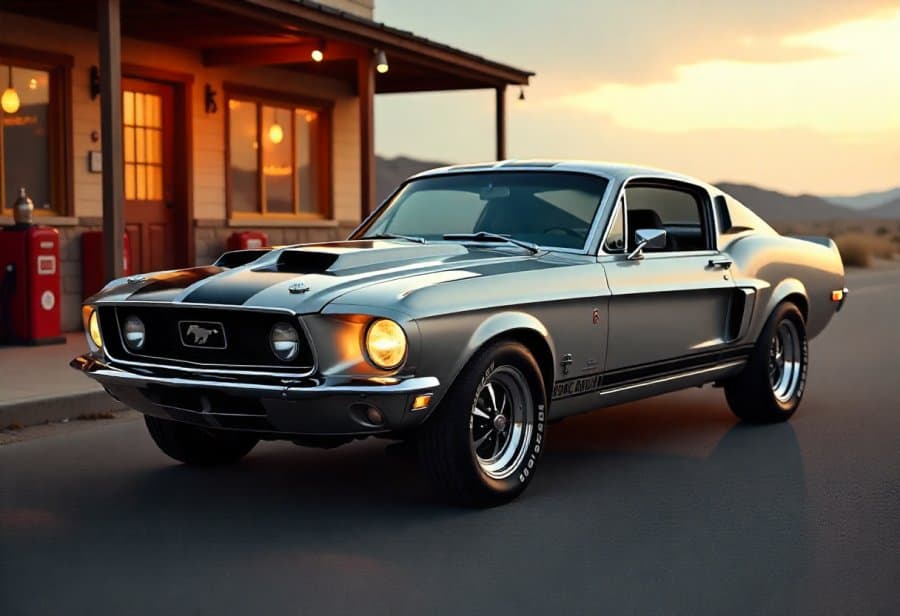
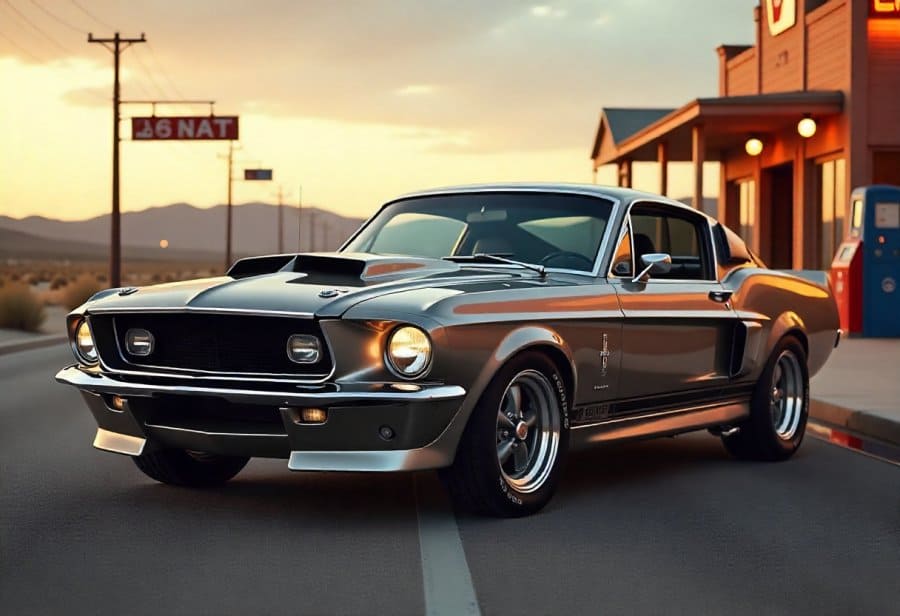
Design details are what give the Mustang its unmistakable muscle car identity. Its sculpted body lines and aerodynamic silhouette create a sense of motion even when stationary. The signature front grille, adorned with the iconic pony emblem, immediately signals performance pedigree. Inside, the cockpit is driver-focused, with gauges and controls thoughtfully arranged for ease of use during spirited drives. High-quality materials and ergonomic seats blend comfort with sportiness, making every journey both thrilling and comfortable.
The long hood and muscular stance give the Mustang an aggressive presence on the road. Sculpted contours and prominent wheel arches not only enhance its aesthetic appeal but also improve aerodynamics, helping it slice through the air more efficiently. This harmony of form and function results in a car that looks fast even when parked, embodying the perfect balance of bold styling and engineering finesse that has defined the model for decades.
Underneath, engineering innovations like lightweight construction using high-strength steel and aluminum help reduce weight and improve performance. Strategic placement of components ensures a balanced weight distribution, which enhances cornering and stability at high speeds. These elements make the Mustang a true driver’s car, responding intuitively to commands and delivering a visceral experience on every twist and turn.
Handling and technology continue to evolve, with features like selectable drive modes and independent rear suspension adding versatility. Drivers can customize their experience, whether they prefer a smooth, comfortable ride or an aggressive, track-ready feel. This adaptability keeps the Mustang relevant for both everyday use and performance enthusiasts, maintaining its reputation as a well-rounded and iconic muscle car.
Modern Relevance: How the Mustang Shapes Automotive Trends Today
The legacy of the Ford Mustang continues to shape modern automotive trends and influence what drivers look for today. Its unique blend of performance and style has pushed carmakers worldwide to rethink how they design sporty vehicles, emphasizing not just raw power but also safety, connectivity, and efficiency. Today’s consumers want cars that deliver exhilarating driving experiences while fitting seamlessly into their digital and eco-conscious lifestyles. The Mustang’s enduring appeal proves that performance and modern convenience can coexist, making it a benchmark in the industry.
Modern Mustangs incorporate classic design cues—like the aggressive stance and signature grille—paired with cutting-edge technology. Turbocharged engines, adaptive suspensions, and advanced infotainment systems attract a new wave of drivers seeking high performance with modern comforts. This seamless fusion of tradition and innovation keeps the Mustang relevant, allowing it to excel both as a daily driver and a high-performance machine. Its ability to adapt without losing its core identity is a key reason it remains a symbol of American muscle car excellence.
The Mustang’s influence extends beyond its own lineup, setting standards for high-performance features like drive modes, advanced braking systems, and lightweight materials. These innovations have made spirited driving safer and more accessible, encouraging a broader audience to experience the thrill of speed. As industry standards evolve, the Mustang continues to push boundaries, inspiring competitors and elevating the expectations for what a muscle car can deliver.
Community and personalization also play a vital role in the Mustang’s modern relevance. Limited editions, performance upgrades, and customization options allow owners to create vehicles that reflect their individual style. This approach fosters a deep sense of ownership and connection, echoing the brand’s historical roots. Car clubs, restorations, and enthusiast gatherings keep the spirit alive, reinforcing the Mustang’s status as more than just a vehicle—it’s a lifestyle and a symbol of personal freedom.
Looking ahead, the challenge lies in maintaining the Mustang’s rebellious spirit amid the industry’s shift toward electrification and sustainability. Ford is exploring electric and hybrid models that promise the same speed and excitement, but with a lower environmental impact. Successfully blending this performance with eco-friendly technologies will determine how well the Mustang adapts to the future, ensuring it remains a true icon of American muscle and innovation for generations to come.
Future Horizons: The Next Chapter of the Mustang Legacy
The future of the Ford Mustang will continue to build on its storied legacy, blending innovation with tradition. As the industry shifts toward electrification and sustainability, Ford is exploring electric and hybrid versions that promise the same exhilarating speed and performance the Mustang is known for, but with a lower environmental footprint. This evolution presents a key challenge: maintaining the raw, rebellious spirit that has defined the car for decades while adapting to modern standards of efficiency and eco-conscious driving.
Advancements in safety, connectivity, and lightweight materials will likely shape the next chapters of the Mustang. Features like driver-assist systems, seamless integration with smartphones, and customizable driving modes will keep it relevant for new generations of enthusiasts. The goal is to preserve the iconic design cues—such as the signature grille and sculpted lines—while incorporating modern technology that enhances the driving experience without diluting its heritage.
The Mustang’s influence extends well beyond its own lineup, setting industry standards for high-performance features that now appear across many sports cars. Its emphasis on adaptable handling and driver engagement has inspired competitors and pushed the boundaries of what muscle cars can deliver. This continual push for innovation ensures it remains a benchmark, not just a nostalgic icon, but a symbol of ongoing American ingenuity.
Community and personalization will remain central to its future. Limited editions, bespoke upgrades, and a vibrant culture of enthusiasts keep the Mustang connected to its roots of individual expression. Car clubs, restorations, and social media groups foster a sense of shared passion that sustains the car’s relevance across generations. This sense of belonging and pride fuels ongoing innovation, ensuring the Mustang evolves without losing its rebellious core.
Looking ahead, the challenge will be balancing cutting-edge technology with the timeless appeal of speed and style. Ford’s ability to integrate electric powertrains while preserving the visceral driving feel will determine how well the Mustang can adapt to a new era. Success in this realm could redefine what a muscle car means, proving that performance and sustainability can go hand in hand.
Throughout its history, the Mustang has demonstrated remarkable resilience, constantly reinventing itself while staying true to its roots. Its cultural significance—immortalized in movies, music, and countless stories—continues to inspire new generations of drivers and fans. As it moves forward, the Mustang’s enduring appeal lies in its ability to embody freedom, speed, and innovation simultaneously.
The next chapter of the Mustang promises to be as dynamic and inspiring as its past. With a clear focus on preserving its rebellious spirit while embracing modern advancements, it will continue to symbolize American muscle and ingenuity. This iconic car has a unique talent for evolving without losing its soul, ensuring that the legend lives on for decades to come.