Are temporary backlinks from online marketplaces secretly undermining your SEO efforts over time? While the allure of quick boosts in Domain Authority or PageRank through services on platforms like Fiverr or SEOClerks is tempting, the reality is more complex. Most of these links are short-lived, created via automated tools or link farms, and are often removed within just a few months, leaving your site’s authority unstable and vulnerable. Search engines are becoming increasingly adept at detecting these unstable patterns, risking penalties or devaluation for relying on fleeting links. Instead, sustainable SEO hinges on building permanent, relevant backlinks from reputable sources—an investment that takes patience but yields long-term stability. Do quick wins justify long-term risks, or is a steady, genuine backlink profile the key to enduring digital success? This vital distinction could determine whether your website’s growth is fleeting or resilient.
Quick Navigation
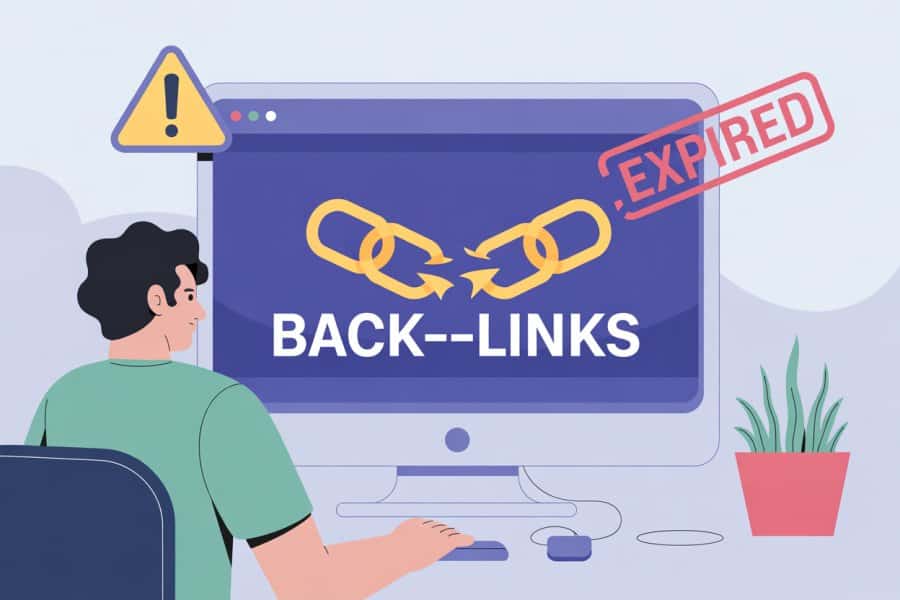
Unveiling the Truth About Temporary Backlinks and Their Impact on SEO
In today’s digital landscape, SEO isn’t just about creating great content or optimizing keywords; backlinks play a crucial role in determining your website’s authority and visibility. Many website owners and digital marketers are drawn to the promise of quick results—especially through online marketplaces where services offer rapid boosts in metrics like Domain Authority (DA) or Domain Rating (DR). It’s tempting to think that a few purchased links can instantly elevate your rankings, but beneath this shiny surface lies a more complicated reality.
Temporary backlinks—those that are short-lived and often bought through automated tools, link farms, or private blog networks—are designed to deliver quick gains. Vendors frequently remove these links once a site hits a certain metric threshold, usually within 50 to 60 days, to free up domains for other clients. This creates a cycle of fleeting boosts that appear beneficial at first but don’t provide a solid foundation for sustained growth. When those links are removed, the authority your site gained often disappears with them, leaving your rankings unstable and vulnerable.
Many website owners overlook the long-term consequences of relying on these short-term tactics. Search engines like Google have grown increasingly sophisticated at detecting unnatural backlink patterns and unstable link profiles. When sudden spikes in low-quality or irrelevant links are identified, search engines may devalue those links or even penalize your site, which can cause rankings to plummet. This means that any initial progress from temporary backlinks could be wiped out almost as quickly as it appeared, making your SEO efforts both unpredictable and risky.
Understanding the signs of these schemes is vital. Vague promises such as “instant DA boosts” or “quick rankings” without specific details about link sources should raise suspicion. Vendors who dodge questions about how long links will stay or refuse to share domain information are often hiding the fact that their links are temporary and unstable. Recognizing these red flags early can prevent you from investing in schemes that offer short-lived benefits but long-term damage.
Focusing on building a resilient backlink profile means prioritizing relevance, quality, and permanence. Genuine backlinks from reputable, high-authority sites tend to last over time and provide ongoing endorsements. These links might take longer to acquire, but they create a more stable foundation that withstands algorithm updates and fluctuations. Instead of chasing quick wins with fleeting links, investing in sustainable strategies ensures your site remains trustworthy, visible, and prepared for future growth.

Backlinks Demystified: The Power of Quality, Relevance, and Permanence
Backlinks are fundamental to how search engines assess the value and relevance of a website. Think of them as votes of confidence from one site to another. When reputable sites link to your pages, it signals to search engines that your content is trustworthy and valuable. The more high-quality, relevant backlinks you earn, the higher your chances of climbing search results and gaining visibility. But not all backlinks are created equal. Their true power lies in their quality, relevance, and, importantly, their permanence.
High-quality backlinks typically come from well-established sites within your industry. These links are naturally embedded within relevant content, acting as trusted endorsements that improve your site’s authority over time. Conversely, low-quality links—those from spammy or unrelated sites—can harm your SEO efforts. They may trigger penalties or dilute your overall link profile. That’s why understanding the difference between valuable and harmful backlinks is essential for building a sustainable, long-lasting SEO strategy.
The concept of permanence plays a crucial role here. Permanent backlinks remain active and visible over the long term, continuously endorsing your site’s authority. These are usually placed on reputable, high-authority sites that keep the links live unless intentionally removed. Such links provide a stable foundation, gradually boosting your credibility and ranking. On the other hand, temporary links—often generated through automated tools, link farms, or private blog networks—are designed to be short-lived. They’re placed with the primary goal of delivering a quick boost, but they tend to disappear once a certain metric is reached, typically within weeks or months.
Search engines have become increasingly sophisticated at detecting unstable backlink patterns. They analyze various signals, such as sudden spikes in low-quality links or links from irrelevant sources. When these patterns are identified, search engines may devalue those links or even penalize the entire site. Relying heavily on short-term, disposable links can waste resources and jeopardize your site’s credibility. Instead, focusing on earning durable, relevant backlinks from trusted sources offers a more reliable path to sustained growth.
Relevance adds another layer of importance. Backlinks from sites within your niche or industry carry more weight because they reflect genuine recognition from trusted sources. Search engines interpret these links as indicators of authority within your specific field. Conversely, links from unrelated or irrelevant sources, especially those placed artificially, can be viewed as manipulative and may even harm your rankings. Building backlinks naturally through high-quality content and outreach remains the most effective, sustainable approach to strengthening your profile over time.
The Modern Marketplace: Quick, Short-Lived Backlink Practices and Their Pitfalls
The landscape of backlink building today is heavily shaped by online marketplaces that streamline the process of purchasing links. Platforms like Fiverr, SEOClerks, and other freelance sites have become popular hubs where website owners can quickly buy backlinks promising to boost metrics like Domain Authority (DA) or Domain Rating (DR). These services often advertise “high-quality” or “authority” links, making them seem like a tempting shortcut to higher rankings.
However, what many don’t realize is that most of these backlinks are fleeting. Vendors frequently rely on automated tools, link farms, or private blog networks (PBNs) to generate a large volume of links rapidly. These networks are built specifically to churn out quick, short-lived placements on low-authority, irrelevant sites. Once a website hits a target DA or DR, vendors typically remove these links—often within 50 to 60 days—to reuse the same domains for other clients, creating a cycle of rapid placement and removal.
This practice results in a pattern of short-term boosts that give a false sense of progress. Initially, your site might see a spike in rankings and authority metrics, but as those links are taken down, the gains quickly fade. The cycle can be frustrating, especially when you’ve invested money into what seems like a quick fix. It’s a classic case of building on quicksand—what looks like growth on paper doesn’t hold up over time.
Google and other search engines are becoming increasingly skilled at spotting these unstable backlink schemes. They analyze backlink profiles for unnatural spikes, low-quality sources, or irrelevant link placements. When detected, search engines may devalue those links or even penalize the entire website. This means that a sudden rise in rankings caused by temporary backlinks can be followed by an equally rapid decline, risking both your visibility and credibility.
Red flags are easy to spot when browsing these marketplaces. Promises of “instant DA boosts” or “quick rankings” without transparent details about the source and longevity of links should raise suspicion. Vendors who dodge questions about how long their links will stay or refuse to share domain specifics are often hiding the fact that their links are temporary and unstable. Recognizing these signs early helps you avoid schemes that might deliver short-term results but damage your long-term SEO health.
Despite the allure of quick fixes, the overall trend leans toward more cautious, sustainable backlink practices. Building a genuine profile of relevant, high-quality backlinks takes time but results in a more stable and trustworthy foundation. These links come from reputable sites within your industry, providing ongoing endorsements that reinforce your authority without the risk of sudden disappearances. Over time, this approach creates a resilient profile capable of withstanding algorithm updates and ranking fluctuations.
The current environment underscores the importance of patience and strategic outreach. Instead of seeking shortcuts, focusing on earning backlinks through compelling content, genuine relationships, and authoritative placements ensures lasting value. Quality over quantity remains key, as search engines prioritize relevance and durability. While this approach may require more effort upfront, it guarantees a steadier, more sustainable path to long-term SEO success.
In essence, the landscape is shifting away from quick, disposable link schemes toward authentic and resilient backlink profiles. Recognizing the limitations and risks associated with temporary backlinks helps you make smarter decisions. Investing in enduring, relevant links not only boosts your website’s authority but also safeguards it against the unpredictable twists of search engine algorithms. This shift is crucial for anyone aiming for sustainable growth in today’s competitive digital space.
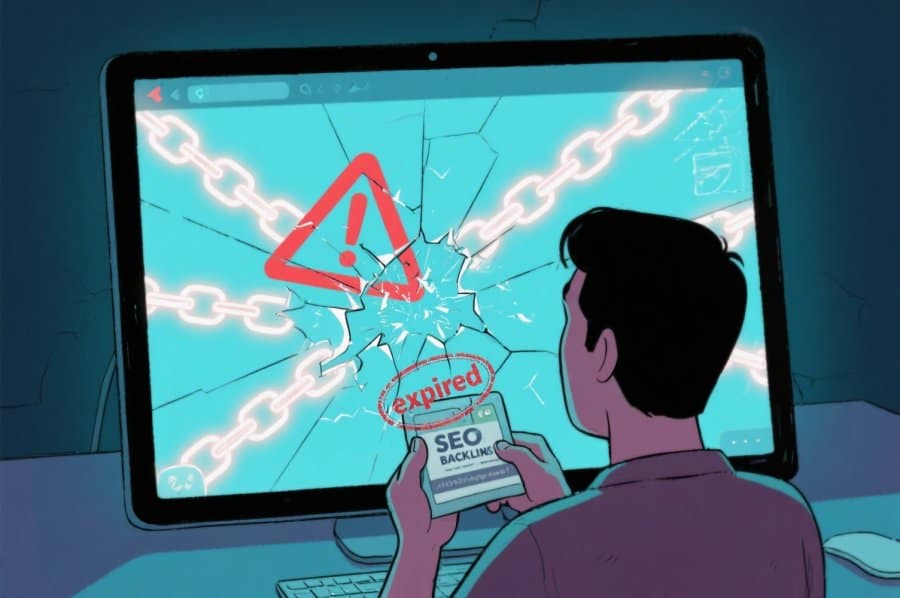
Long-Term SEO Success: Building Resilient Backlink Strategies for Future Growth
The way you build backlinks today shapes your site’s SEO health for years to come. Relying on temporary links—especially those bought through quick-fix schemes or automated systems—often results in short-term gains that quickly fade. These links tend to vanish after a few weeks or months, causing rankings to fluctuate and authority to become fragile. When your profile is filled with such unstable links, it’s like constructing a house on quicksand—any initial boost can collapse, leaving your site more vulnerable than before.
Building a foundation with permanent, relevant backlinks creates a much stronger long-term outlook. These are links from reputable, high-authority sites that stay active over time, continuously endorsing your content. Over months and years, they accumulate, steadily elevating your site’s authority and trustworthiness. These durable links send consistent signals to search engines that your website is credible, helping you withstand algorithm updates and ranking swings. Instead of chasing fleeting boosts, investing in these reliable links sets the stage for sustainable growth.
Short-lived, low-quality backlinks might seem tempting for quick results, but search engines like Google have become experts at spotting manipulative patterns. When they detect profiles filled with unstable or irrelevant links, they often devalue those links or apply penalties. This can lead to sudden drops in rankings and a loss of trust—costs that can undo months of effort. Focusing on earning high-quality, relevant backlinks that last over time may take longer, but it offers a resilient profile less prone to algorithmic changes and penalties.
Over the long haul, the difference becomes clear. Websites that prioritize relevant, permanent backlinks tend to grow steadily and maintain their rankings more reliably. Their authority builds gradually through genuine endorsements, making their presence more stable and less vulnerable to fluctuations. Conversely, sites relying heavily on short-term, bought links often experience a rollercoaster of peaks and valleys—initial surges followed by abrupt declines—hampering steady progress and long-term visibility.
This contrast highlights the importance of strategic patience. While quick fixes might seem appealing, they often come at the expense of credibility and stability. Investing in relationships, creating valuable content, and earning backlinks naturally forge a resilient profile that can endure industry shifts and algorithm updates. Such an approach not only boosts rankings but also establishes lasting trust with both search engines and users, forming a solid foundation for future growth.
In the end, the backlink strategies you choose today set the course for your website’s SEO health tomorrow. Building a portfolio of relevant, durable links isn’t just a best practice—it’s the key to sustainable success. While the immediate gratification of quick gains can be tempting, long-term resilience comes from enduring, well-earned endorsements that stand the test of time and algorithm changes. This shift from short-term schemes to sustainable growth ensures your site remains visible, trustworthy, and prepared for the evolving digital landscape.